
Baotou — Industrial and Cultural City in Inner Mongolia, China
Baotou is a prefecture-level city in Inner Mongolia, China, noted for heavy industry, the nearby Bayan Obo rare-earth deposit, its Yellow River location, and mixed Mongol–Han cultural heritage.
Overview
Baotou is a prefecture-level city in Inner Mongolia and a major urban center in northern China. The city's Mongolian name is commonly rendered as a phrase meaning "place with deer," and its Chinese alternative name Lùchéng ("Deer City") reflects that heritage; this linguistic note is often cited in local histories and place-name studies (Mongolian name).
Image gallery
10 Images





Geography and climate
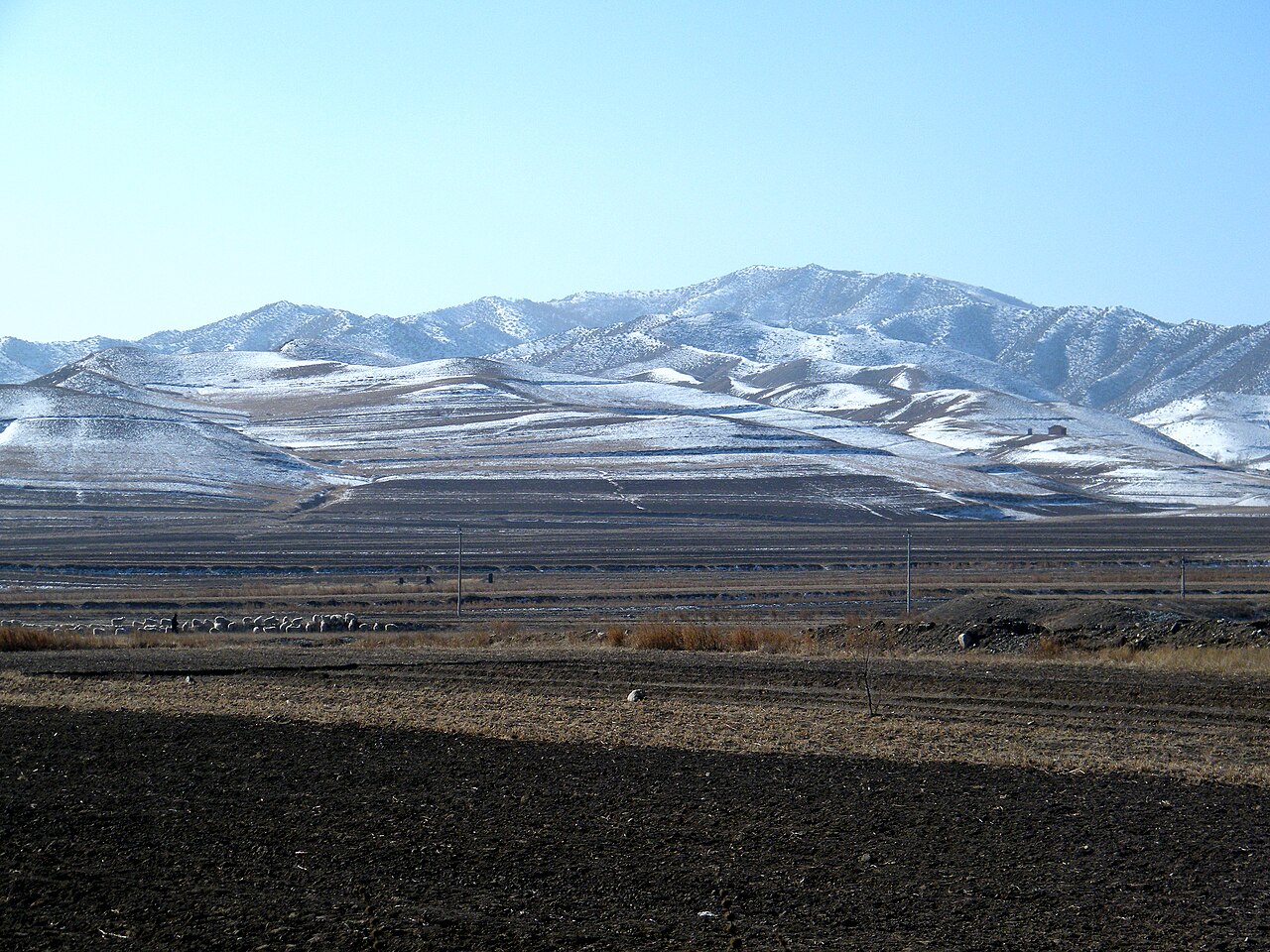
Baotou lies near the Yellow River on the edge of grassland and semi-arid plateau. Its position marks a transition between steppe to the north and more cultivated plains to the south. The climate is continental: cold, dry winters and warm, relatively short summers, with notable seasonal wind and dust activity in spring.
History and development
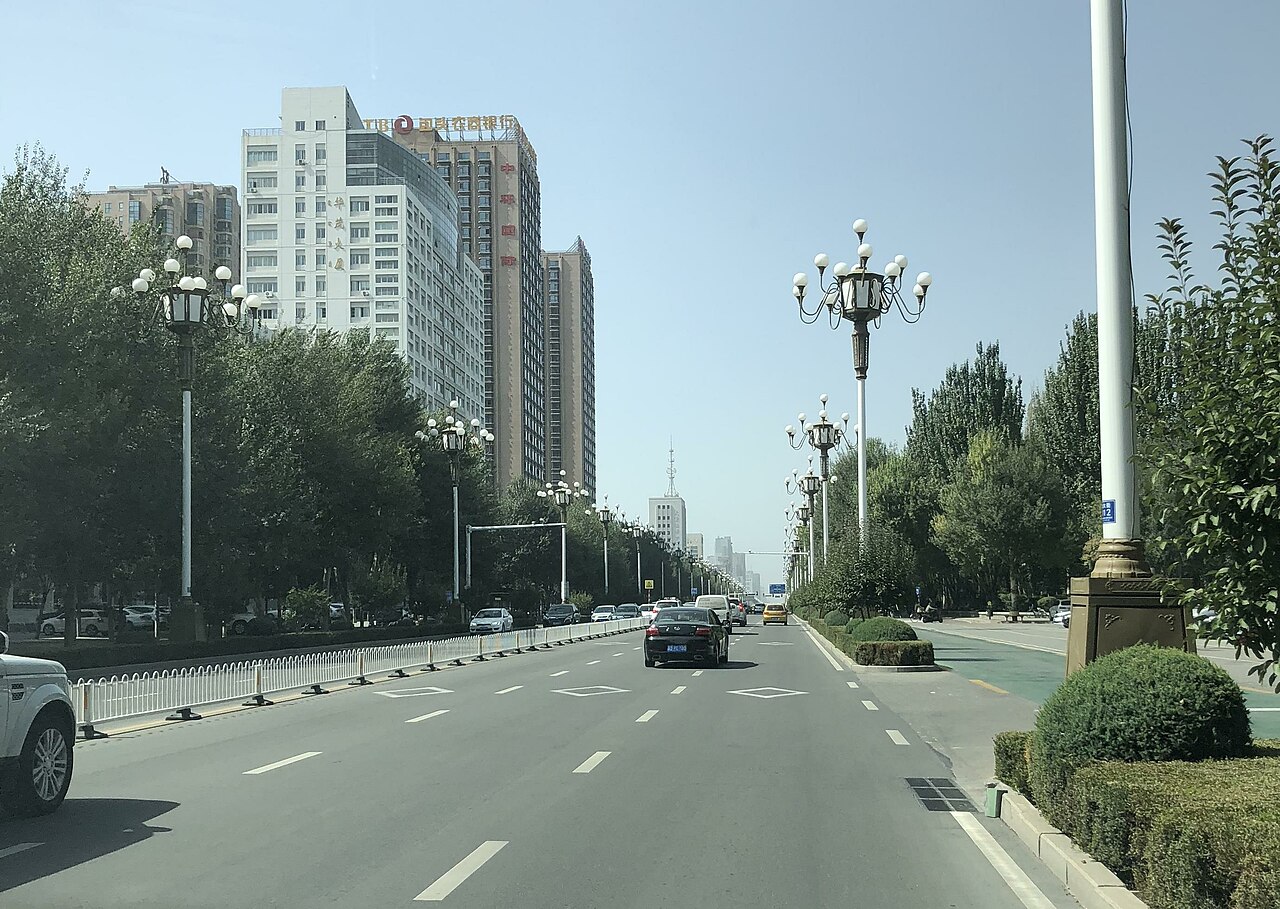
Originally a market and caravan hub on regional trading routes, Baotou expanded rapidly in the 20th century with rail connections and industrialization. Under modern development plans it became an administrative center and an industrial base for Inner Mongolia, attracting migrants and investment that reshaped its urban fabric.
Economy and industry
The city is known for heavy industry and mineral processing. Key economic sectors include:
- Rare-earth and associated mining and processing, notably tied to the large Bayan Obo deposit nearby;
- Steelmaking and machinery manufacturing;
- Petrochemicals, building materials, and newer high-tech zones seeking to add value beyond raw extraction.
Environment and challenges
Industrial growth has brought environmental pressures: air and water pollution, management of mining tailings, and land degradation on adjacent grasslands. In recent decades local and national efforts have aimed at pollution control, industrial upgrading, and rehabilitation projects to reduce the ecological footprint.
Culture, transport and significance
Baotou hosts a mix of Han and Mongol cultural influences visible in cuisine, festivals, and bilingual signage. It functions as a regional transport hub with road and rail links and an airport connecting the city to other Chinese cities. As a center of resource processing and urban life in northern China, Baotou plays an important role in the economy and cultural landscape of Inner Mongolia and China.
Related articles
Author
AlegsaOnline.com Baotou — Industrial and Cultural City in Inner Mongolia, China Leandro Alegsa
URL: https://en.alegsaonline.com/art/8819