
Bảo Đại — the last emperor of Vietnam
Bảo Đại (1913–1997) was the final sovereign of the Nguyễn dynasty and a controversial political figure who ruled under colonial and wartime constraints, later serving as Chief of State of the French-backed State of Vietnam.
Overview
Bảo Đại (born Nguyễn Phúc Vĩnh Thụy, 22 October 1913 – 30 July 1997) was the thirteenth and final monarch of Vietnam's Nguyễn dynasty. He succeeded to the throne in 1926 as nominal King of Annam while the country remained under French colonial administration. His reign and later political career unfolded amid the upheavals of World War II, Japanese occupation, the rise of Vietnamese nationalist movements, and the struggle between colonial and revolutionary forces.
Image gallery
10 Images


Roles and chronological highlights
- 1926: Proclaimed sovereign as King of Annam under French protectorate authority.
- 1940s: Ruled during the period of World War II and the occupation of Indochina by Japan.
- August 1945: Abdicated following the Japanese surrender and the rise of the Việt Minh; handed power to the provisional government led by Hồ Chí Minh.
- 1949–1955: Served as Chief of State of the State of Vietnam, a polity created in negotiations with France.
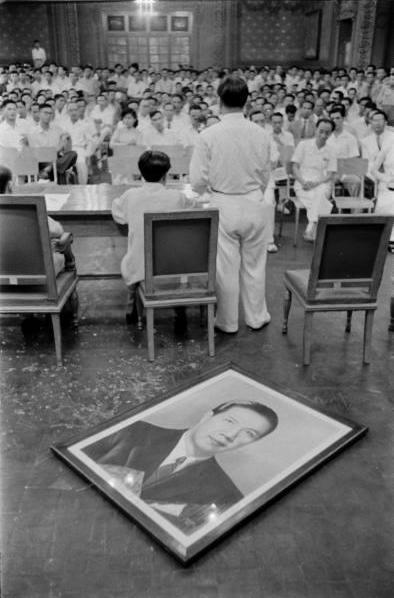
- 1955 and after: Removed from power in a political transition that brought Ngô Đình Diệm to leadership; spent many subsequent years living abroad and died in France.
Historical context and changing authority
Bảo Đại's authority varied greatly at different moments. As a colonial-era monarch he exercised limited autonomy under the French protectorate. During the final months of World War II, Japan momentarily displaced French control and elevated him to the title of Emperor of Vietnam, though this empowerment was brief and largely symbolic. After the Japanese surrender, the Việt Minh movement seized power in August 1945, and Bảo Đại abdicated rather than contest revolutionary rule. In 1949 France restored him to a titular national role to provide a non-communist alternative to the Việt Minh, naming him Chief of State of the newly proclaimed Vietnam.
Controversy, personality, and legacy
Bảo Đại remains a contested figure. Critics portray him as a puppet of foreign powers who enjoyed a cosmopolitan lifestyle and failed to provide decisive leadership. Supporters note his attempts at modernization, diplomatic efforts to balance competing powers, and his symbolic value as the last link to Vietnam's imperial past. Scholars emphasize the constrained choices available to a monarch caught between colonial authorities, occupying forces, and nationalist revolutionaries during a period of rapid change in Southeast Asia.
Significance and remembrance
As the last emperor of the Nguyễn line, Bảo Đại occupies a distinctive place in Vietnamese history. His reign marks the end of centuries of monarchy in Vietnam and the transition to republican and revolutionary forms of governance. Evaluations of his role vary: some view him mainly as a historical footnote in the larger narratives of decolonization and the Cold War, while others see his life as illustrative of the personal and political dilemmas faced by traditional elites in the 20th century. For further context on the era in which he lived, see topics linked to World War II and postwar decolonization movements.
References and archival materials about Bảo Đại's life and career are available in multiple languages and repositories; researchers often consult both Vietnamese and international sources to trace his complex public image and shifting roles during a turbulent half-century.
Related articles
Author
AlegsaOnline.com Bảo Đại — the last emperor of Vietnam Leandro Alegsa
URL: https://en.alegsaonline.com/art/8814