
Bardo National Museum attack (18 March 2015)
A terrorist armed assault on the Bardo National Museum in Tunis on 18 March 2015 left 23 people dead, dozens wounded, and prompted national and international security responses and debate over tourism and radicalization.
Overview
On 18 March 2015 two armed men wearing military-style clothing stormed the Bardo National Museum in Tunis, the capital of Tunisia. The attackers entered the museum during a busy period and took hostages before security forces engaged them. The assault resulted in the deaths of 23 people, many of them foreign visitors, and left dozens more injured. Tunisian authorities characterized the event as a terrorist attack, and a group calling itself the Islamic State of Iraq and the Levant later asserted responsibility.
Image gallery
4 Images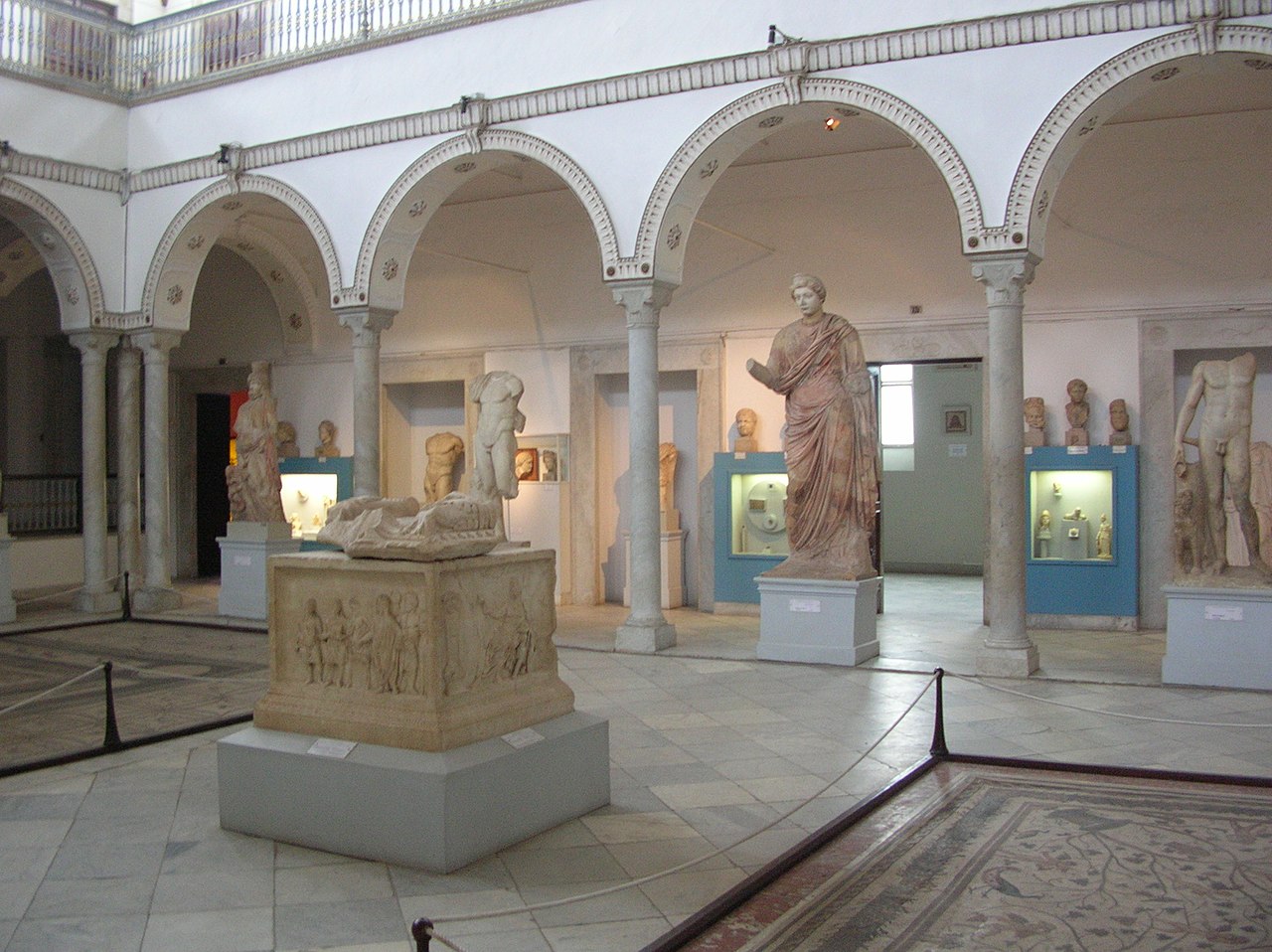


Attack sequence and response
Witnesses reported that the assailants targeted crowded areas near museum galleries and terraces. Police and special units moved quickly to contain the incident, exchange gunfire and end the siege. The two gunmen were killed by security forces at the scene. Authorities also rescued hostages held inside the building and secured the surrounding district. The rapid intervention was widely reported as preventing further casualties, though the attack nonetheless had a profound human and symbolic toll.
Victims and perpetrators
The majority of those killed were foreign tourists. Reported nationalities among the victims included:
In addition to foreign nationals, Tunisian victims included a police officer and a civilian. The two attackers were identified by Tunisian authorities as Yassine Labidi and Saber Khachnaoui, who were reported to be Tunisian nationals. Media and official statements described the incident as an act of terrorism; a claim of responsibility was later issued by a group using the name ISIL.
Context and significance
The Bardo National Museum, a major cultural institution that houses archaeological and historical collections, is located near governmental buildings and tourist routes in Tunis. The choice of a museum frequented by international visitors made the attack particularly visible worldwide and prompted immediate concern about the safety of cultural sites. Tunisia, a country that had undergone a political transition since 2011, faced renewed scrutiny over the threat of violent extremism and the challenge of protecting its tourism sector and public spaces.
Aftermath and responses
Following the assault, Tunisian authorities launched investigations and emergency reviews of security at tourist landmarks and public institutions. The event triggered international expressions of solidarity and condemnation, and several governments issued advisories or engaged in consular assistance for their nationals. The attack also spurred debate about counterterrorism measures, prison and border controls, and efforts to counter radicalization within Tunisia and the wider region.
Further information and resources
For basic factual summaries and official briefings see sources linked from the museum and Tunisian government notices: the Bardo National Museum overview (museum link), statements about the incident and hostage situation (hostage reports), and broader material about Tunisia (country information) and the city where the attack occurred (Tunis).
Questions and answers
Q: When did the Bardo National Museum attack occur?
A: The attack occurred on 18 March 2015.
Q: How many people were killed in the attack?
A: 23 people were killed in the attack.
Q: Who were the two gunmen who attacked the Bardo National Museum?
A: The two gunmen were Yassine Labidi and Saber Khachnaoui, who were Tunisians.
Q: Who were the victims of the attack?
A: 19 foreign tourists, including Italians, French nationals, Russians, Britons, Colombians, Japanese, Polish nationals, Australians, and a Spaniard were among the victims. Two Tunisians, a police officer and a citizen, were also murdered.
Q: How did the attackers die?
A: The two gunmen were shot dead by police during the attack.
Q: What did the police call the event?
A: The police called the event a terrorist attack.
Q: Who claimed responsibility for the attack?
A: The Islamic State of Iraq and the Levant later claimed responsibility for the attack.
Related articles
Author
AlegsaOnline.com Bardo National Museum attack (18 March 2015) Leandro Alegsa
URL: https://en.alegsaonline.com/art/8950
Sources
- america.aljazeera.com : "19 killed in Tunisia attack; hostage drama ends with deaths of gunmen"
- reuters.com : "Gunmen storm Tunisian museum, kill 17 foreign tourists"
- abc.net.au : "Tunisia attack: Australian man Javier Camelo among 19 people, including 17 tourists, killed in attack on Bardo Museum in Tunis"
- todayszaman.com : "ISIL claims Tunisia museum attack that killed 23"