
Adams County, Indiana
Rural county in northeastern Indiana with county seat Decatur. Known for agriculture, small manufacturing, Swiss-American heritage in Berne, and local government and community services.
Overview
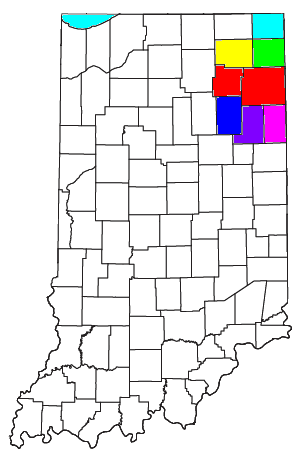
Adams County is a county located in northeastern Indiana. The county is centered on a small-city and small-town pattern of settlement, with agriculture and locally oriented services shaping daily life. Its county seat is Decatur, which functions as the primary civic and commercial hub for the area.
Image gallery
4 Images


Geography and Land Use
The county lies within a region of generally flat to gently rolling terrain that is typical of much of Indiana. Large tracts are devoted to crops and pasture; field patterns and farmsteads remain prominent features. The landscape also includes small woodlands, waterways, and compact downtowns where government, retail and community institutions concentrate.
History and Culture
Settlement accelerated in the 19th century as settlers moved into Indiana from eastern states and Europe. Several towns in the county reflect patterns of immigration, notably a Swiss-American community that established cultural institutions and churches. Historic buildings, local festivals and family farms preserve and celebrate this heritage.
Economy and Community Life
The local economy is dominated by farming—corn, soybeans and livestock are common—alongside light manufacturing, construction trades and service businesses that support residents. Schools, churches, volunteer organizations and annual events sustain community ties and civic engagement.
Government and Services
County government operates through elected officials and departments responsible for courts, public safety, road maintenance and social services. The county seat hosts the courthouse, administrative offices and many public meetings that shape local policy and planning.
Notable Features
- Decatur: county courthouse, commercial district and community services.
- Berne and other communities: local cultural traditions and small-town character.
- Agricultural landscape: farms, processing and related businesses.
Visitors and residents alike encounter a mix of Midwestern farming landscape, historic downtowns and community institutions that reflect the county's development. For official resources, planning documents and local history, county offices and libraries provide further information.
Related articles
Author
AlegsaOnline.com Adams County, Indiana Leandro Alegsa
URL: https://en.alegsaonline.com/art/878
Sources
- census.gov : "QuickFacts: Adams County, Indiana"