
Decatur, Indiana — City in Adams County
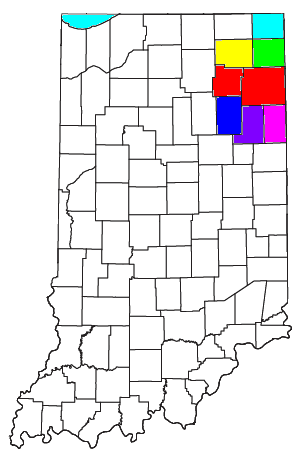
Decatur is a small city in Adams County in northeastern Indiana, United States. It serves as a local hub for government, commerce and community life with historic downtown, industry, and agricultural surroundings.
Overview
Decatur is a small city located in Adams County in northeastern Indiana. It functions as a county center and local commercial hub within a mostly agricultural region of the United States. The community is characterized by a compact downtown, municipal institutions, and a mixture of light industry and service businesses that serve nearby rural areas.
Image gallery
6 Images


History and name
The city developed during the 19th century as settlement expanded across the Midwest. Like several American towns, its name honors the naval officer Stephen Decatur, reflecting a 19th-century pattern of naming places for national figures. Its growth followed transportation routes and the changing economy of the region from farming to small-scale manufacturing and trade.
Geography and population
Decatur sits in a landscape dominated by farm fields and small woodlots typical of northeastern Indiana. The city serves residents of the surrounding countryside who rely on its schools, shops and government services. Demographically it is a small, close-knit community with residential neighborhoods clustered around a traditional commercial core.
Economy and institutions
The local economy blends agriculture-related activity with light manufacturing, retail and professional services. Public institutions such as the county courthouse and municipal offices are important employers. Local schools provide primary and secondary education; nearby colleges and regional centers offer further training and higher education opportunities.
Culture, landmarks and community life
Residents gather around civic events, parks and downtown businesses. The city’s historic core often features period architecture, civic monuments and community facilities that anchor annual celebrations and markets. Parks and recreational programs support family life and outdoor activities common to small Midwestern cities.
Notable facts
- Decatur is the administrative center of Adams County and a service center for surrounding rural areas.
- Its name reflects national 19th-century commemorative practices.
- Local identity blends agricultural roots with small-city public life and industry.
Related articles
Author
AlegsaOnline.com Decatur, Indiana — City in Adams County Leandro Alegsa
URL: https://en.alegsaonline.com/art/26115