
Scorpion II — Predynastic ruler of Upper Egypt
Scorpion II is the better-known of two protodynastic Egyptian rulers called 'Scorpion', attested by early royal iconography and the Scorpion Macehead; he is linked to the process that led to Egypt's unification.
Scorpion II is the conventional name given by Egyptologists to a late Predynastic or Protodynastic ruler of Upper Egypt who is identified in early pictorial inscriptions by a scorpion sign. He is usually treated as the second and later of two rulers called "Scorpion" and is best known from a carved ceremonial macehead and a small number of labels and pottery markings.
Image gallery
9 Images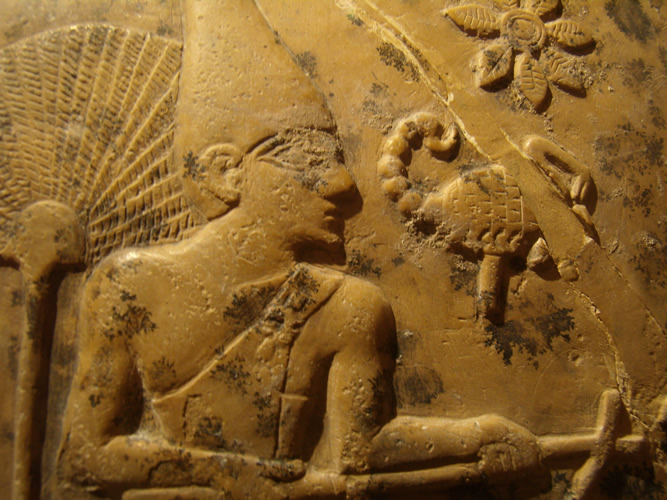




Archaeological evidence and iconography
The principal object associated with this ruler is the so-called Scorpion Macehead discovered at the ancient centre of Hierakonpolis. That object depicts a crowned figure wearing the White Crown of Upper Egypt, accompanied by attendants, standards and ritual scenes that have been read as agricultural or water-management activities. Other artefacts bearing a scorpion glyph appear on pottery and sealings; some inscriptions place the sign within or next to early forms of a serekh (a precursor of later royal name-frames).
Historical context
Scorpion II is placed in the late 4th millennium BCE, in the Naqada III/Protodynastic horizon when regional chieftains were consolidating power and the symbols of kingship began to crystallize. This era saw the emergence of royal regalia (crowns, maces), administrative marks, and pictorial propaganda that preceded the dynastic pharaohs.
Significance and interpretations
- Many scholars view Scorpion II as a powerful Upper Egyptian ruler whose activities contributed to political centralization before the First Dynasty.
- The macehead imagery is commonly interpreted as a ritual act—possibly canal opening or a ceremony to mark territorial control—underscoring an ideological role for early kings.
- The combination of regalia and the scorpion sign illustrates how animal emblems began to serve as royal names or titles in predynastic Egypt.
Debates and uncertainties
Key questions remain unresolved: whether artefacts attributed to different "Scorpions" refer to one individual or several, the exact chronological relationship between Scorpion II and later figures such as Narmer, and the locations of royal tombs that would securely tie names to burials. Because evidence is sparse and often fragmentary, interpretations are cautious and subject to revision.
For an introduction to the material and ongoing discussion, see general overviews of early Egyptian kingship and archaeological reports on Hierakonpolis and Naqada; further resources are available at this source.
Related articles
Author
AlegsaOnline.com Scorpion II — Predynastic ruler of Upper Egypt Leandro Alegsa
URL: https://en.alegsaonline.com/art/88078