
Scandinavian Airlines (SAS): History, Network and Notable Facts
Scandinavian Airlines (SAS) is the flag carrier of Sweden, Norway and Denmark. This article summarizes its origins, fleet and network, alliances, customer programs and recent developments.
Overview
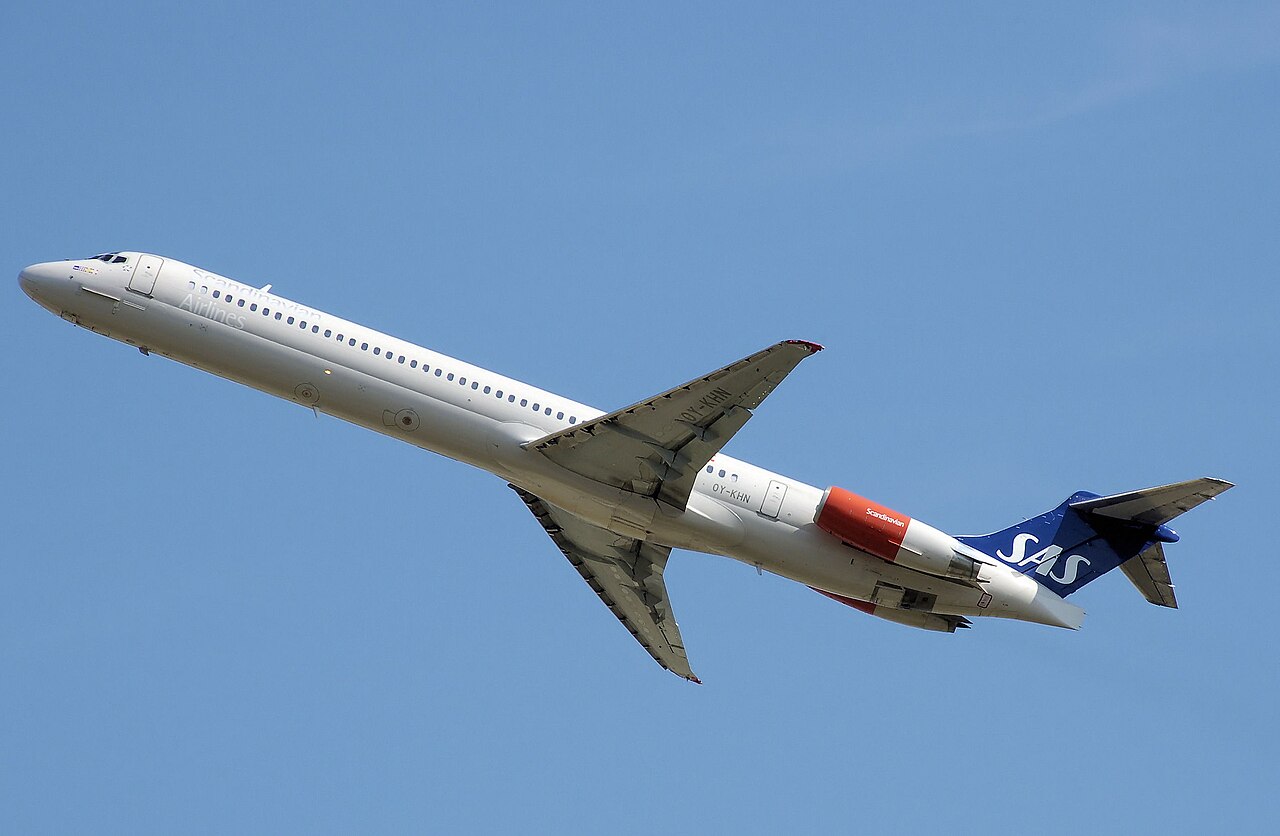
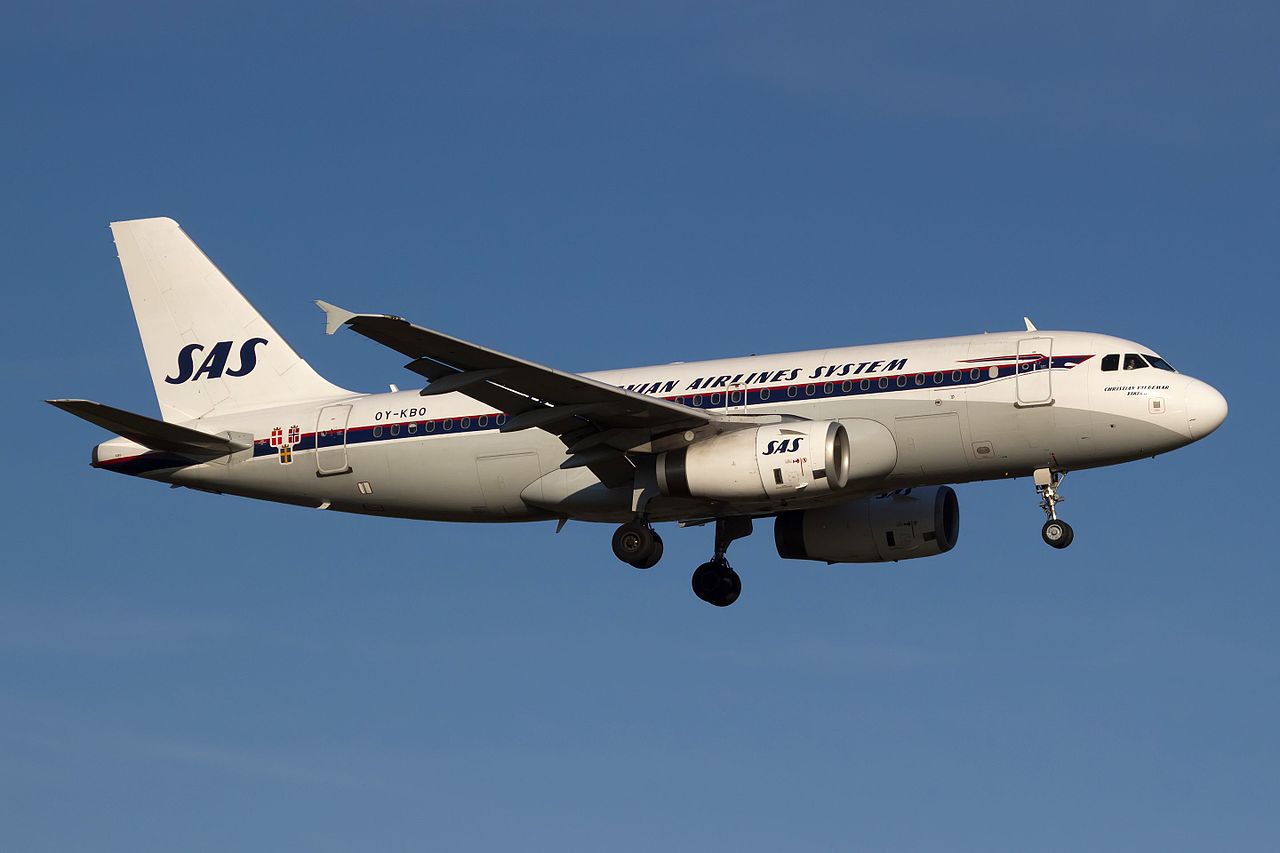
Scandinavian Airlines (commonly known by the initials SAS) is the national air carrier shared by the three Nordic countries. It serves as the flag carrier for Sweden, Norway and Denmark. Founded in the immediate post‑war era, SAS grew into a major European operator with a mix of domestic, regional and intercontinental services. The airline has played a prominent role in linking the Nordic region to the rest of the world and in shaping airline cooperation in Europe.
Image gallery
10 Images



Origins and Historical Development
SAS was established in the late 1940s as a joint venture among Scandinavian carriers to consolidate international services. The company was formally created in 1946 and operated its first scheduled flights later that year. In the 1950s and 1960s the airline modernized its fleet, introducing its first jet aircraft in 1959 and later acquiring a series of long‑range and wide‑body types. In the early 1970s SAS adopted larger transatlantic equipment such as the Boeing 747 and McDonnell Douglas DC‑10 to expand long‑haul capacity.
Alliances, Partnerships and Programs
Partnerships have been an important part of SAS’s strategy. The airline entered commercial collaborations with carriers in Asia and North America during the 1970s and 1980s, including a notable cooperation with Thai Airways in the mid‑1970s and arrangements with Continental Airlines in later decades. SAS launched a formal frequent‑flyer scheme in the early 1990s to reward regular customers; the program was introduced in 1992 (see 1992 for the year) and later evolved into a broader loyalty system. SAS was also a founder of the global airline grouping Star Alliance, established in 1997, which enabled more seamless connections and reciprocal benefits with partner carriers.
Network, Fleet and Services
SAS operates a mixed network of short‑haul European routes and longer services to Asia and North America, while also serving some destinations in Africa. Its route map historically included key hubs in the Nordic capitals and point‑to‑point services across the continent. To adapt to changing market conditions, the airline restructured cabin offerings and product tiers in the 2010s, adding varied seating classes and simplified fare options to respond to competition from low‑cost and hybrid carriers (budget airlines).
- Regions served: Europe, Africa, Asia, North America.
- Typical fleet focus: short‑ and medium‑haul narrowbodies for European traffic; widebodies for intercontinental routes.
- Customer offerings: tiered cabin classes, a loyalty program, and codeshare partnerships through alliance membership.
Recent Challenges and Notable Facts
From the 2010s onward SAS encountered financial pressures common to legacy carriers: rising costs, competition from low‑fare operators and economic fluctuations led to periods of restructuring and refinancing beginning around 2012. In response, the airline reviewed its business model, adjusted capacity, refreshed onboard products and changed fare structures in 2013 to better compete in Europe. Despite difficulties, SAS remains notable for being jointly associated with three sovereign states, for its early adoption of jet and wide‑body aircraft in the region, and for its role in creating one of the world’s largest airline alliances.
Outlook and Importance
SAS continues to be an important transport link for the Nordic countries and a recognizable brand in international aviation. Its future trajectory depends on fleet renewal, sustainable operations, competitive network planning and the broader health of the airline industry. For travelers and observers, SAS represents a long‑standing example of a regional carrier that expanded into a global player through cooperation, fleet modernization and alliance building.
Questions and answers
Q: When was Scandinavian Airlines founded?
A: Scandinavian Airlines (fd. Scandinavian Airlines System) (SAS) was founded on August 1, 1946.
Q: What was the first flight of SAS?
A: The first flight of SAS was held on September 17, 1946.
Q: When did SAS buy its first jet aircraft?
A: SAS bought its first jet aircraft in 1959.
Q: What types of airplanes did SAS purchase in the early 70s?
A: In the early 70s, SAS purchased Boeing 747 and DC-10 wide-body airplanes.
Q: When did SAS start a partnership with Thai Airways?
A: In 1976, SAS started a partnership with Thai Airways.
Q: When did SAS launch its frequent-flyer program?
A: SAS launched its frequent-flyer program in 1992.
Q: When did Star Alliance start?
A:Star Alliance started in 1997 when it was helped by SAS.
Q:When did financial troubles begin for the airline ?
A:Financial troubles began for the airline starting in 2012
Related articles
Author
AlegsaOnline.com Scandinavian Airlines (SAS): History, Network and Notable Facts Leandro Alegsa
URL: https://en.alegsaonline.com/art/87762
Sources
- planespotters.net : "SAS Scandinavian Airlines Fleet Details and History"
- flysas.com : "SAS Makes Your Travel Easier"
- scandinaviantraveler.com : "1960s: Welcome to the Jet Age - Scandinavian Traveler"
- boeing.com : "SAS : The United Nations of the Air"
- books.google.com : Strategic Organizational Diagnosis and Design: Developing Theory for Application
- investor.points.com : "SAS EuroBonus Members Can Now Easily Transfer EuroBonus Points to Friends and Family Through Points.com"
- flysas.com : flysas.com
- sas.com : sas.com
- wikidata.org : wikidata.org/wiki/Q187854
- catalogue.bnf.fr : cb15163886r
- data.bnf.fr : (data)
- d-nb.info : 1079426-8
- isni.org : 0000 0001 2243 1344
- id.loc.gov : n80160439
- viaf.org : 130189799