
Bangsamoro: autonomous region in the southern Philippines
Bangsamoro (BARMM) is an autonomous region in southern Philippines established to implement a peace agreement and grant expanded self-rule to Moro peoples, replacing the ARMM in 2019.
Overview
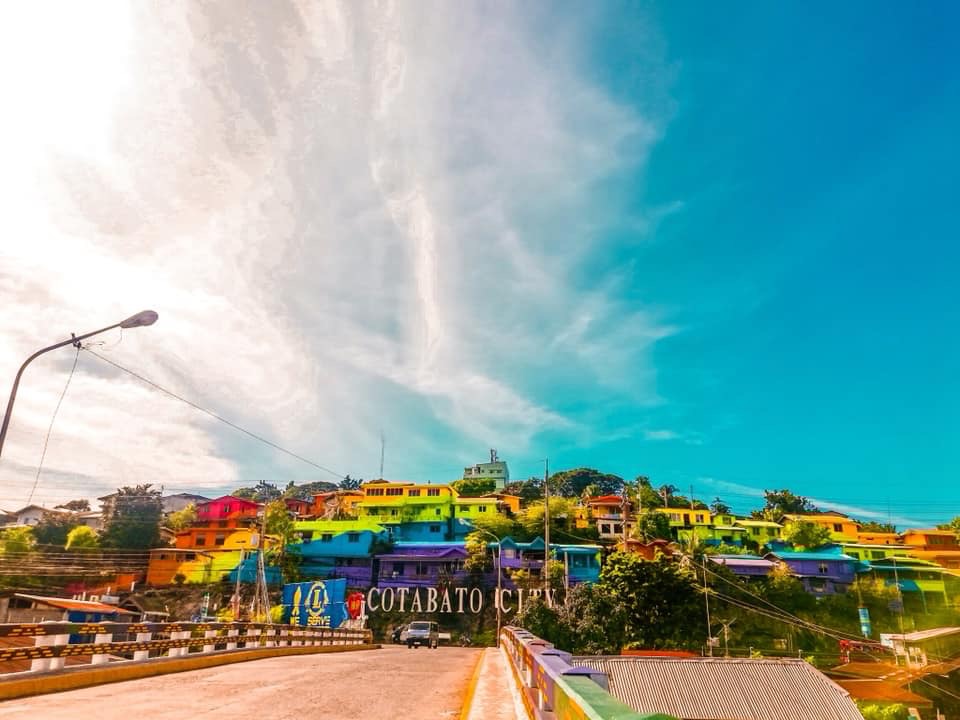
The Bangsamoro Autonomous Region in Muslim Mindanao (commonly called Bangsamoro or BARMM) is an autonomous political entity in the southern Philippines created to provide greater self-government for the Moro peoples and other inhabitants of the area. It combines mainland areas of Mindanao with parts of the Sulu archipelago and contains significant cultural, ecological and maritime resources. For general reference see Bangsamoro region.
Image gallery
10 Images




Geography and notable natural features
Bangsamoro spans both coastal and inland landscapes. It includes mountainous zones, lowland agricultural areas, and an extensive coastline with numerous islands. Prominent natural sites cited for ecological value include Lake Lanao, one of the world’s ancient lakes; the Turtle Islands Wildlife Sanctuary in the Sulu archipelago; Bongao Peak, a prominent island landmark; and rainforest areas on Basilan Island. Some of these sites are recognized on national and international conservation lists, including the Turtle Islands as a tentative conservation entry referenced by international heritage bodies.
Population, languages and culture
The region is culturally diverse. The majority population practice Islam, and there are significant ethnic groups such as the Maranao, Maguindanaon, Tausug, Yakan and Sama-Bajau, together with Christian and indigenous communities. Multiple languages and dialects are spoken; cultural traditions, customary law, and religious practices play important roles in local governance and social life.
History and political development
Bangsamoro was established following a series of peace negotiations between the Philippine government and Moro armed groups, notably the Moro Islamic Liberation Front. The framework for creation was set by a special law approved in 2018 and the new autonomous region officially replaced the previous Autonomous Region in Muslim Mindanao after a 2019 plebiscite. The transition was managed by an interim authority tasked with preparing institutions, laws and an elected regional parliament.
Governance and legal framework
The region exercises expanded autonomy compared with its predecessor, with a regional parliament, a chief minister as head of government, and powers over many domestic affairs such as education, health, and local taxation. The legal framework allows certain applications of Islamic personal law for consenting Muslims, while national law continues to apply in other areas. The previous administrative entity and its institutions are documented in historical summaries of the region’s governance: Autonomous Region in Muslim Mindanao.
Economy, challenges and importance
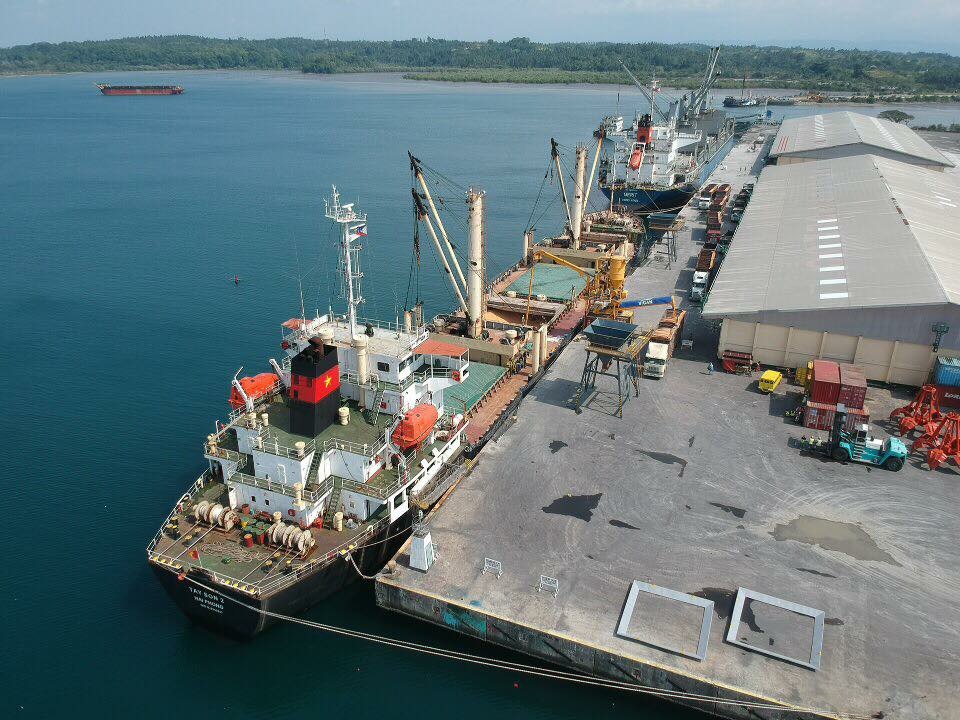
Economically, Bangsamoro is supported by agriculture, fishing, seaweed farming, and small-scale trade; some areas have untapped natural resources and tourism potential. The region’s strategic location in the Sulu and Celebes seas makes it important for maritime trade and biodiversity. At the same time, the Bangsamoro faces longstanding challenges including poverty, infrastructure deficits, and the task of consolidating peace and inclusive development after decades of conflict.
Distinctive facts
- BARMM represents a unique experiment in asymmetric autonomy within a unitary state, designed to address historical grievances of the Moro population.
- Its territory mixes mainland districts and island provinces, producing a complex administrative geography.
- Conservation areas and cultural sites within the region are subjects of national and international interest.
Further reading and official updates about governance, development programs, and conservation initiatives can be found through regional communications and governmental portals maintained during the transition and after full implementation.


Questions and answers
Q: What is the Bangsamoro?
A: The Bangsamoro is an autonomous region located in the southern Philippines.
Q: What is the official name of the Bangsamoro?
A: The official name of the Bangsamoro is the Bangsamoro Autonomous Region in Muslim Mindanao or BARMM.
Q: When did the Bangsamoro replace the Autonomous Region in Muslim Mindanao?
A: The Bangsamoro replaced the Autonomous Region in Muslim Mindanao in 2019.
Q: What natural landmark is included in the Bangsamoro region?
A: The Bangsamoro region includes Lake Lanao, which is one of the 17 most ancient lakes in the world.
Q: What are some notable areas within the Sulu archipelago region?
A: Some notable areas within the Sulu archipelago region include the Turtle Islands Wildlife Sanctuary (a UNESCO tentative site), Bongao Peak, and the Basilan Rainforest.
Q: What is the significance of Lake Lanao being one of the 17 most ancient lakes in the world?
A: Lake Lanao's significance comes from its age as one of the 17 most ancient lakes in the world.
Q: Which international organization signed off on the Turtle Islands Wildlife Sanctuary located within the Bangsamoro region?
A: The Turtle Islands Wildlife Sanctuary located within the Bangsamoro region was endorsed by UNESCO as a tentative site.
Related articles
Author
AlegsaOnline.com Bangsamoro: autonomous region in the southern Philippines Leandro Alegsa
URL: https://en.alegsaonline.com/art/8741
Sources
- philstar.com : "ARMM turns over power to Bangsamoro authority"