
Sarah (biblical matriarch)
Sarah, originally Sarai, is a central matriarch in the book of Genesis; wife of Abraham and mother of Isaac, remembered for her role in the Abrahamic covenant and for the miraculous birth in old age.
Overview
Sarah (also spelled Sara) is a principal figure in the Hebrew Bible and a foundational matriarch in Judaism, Christianity and Islam. Her life is related in the book of Genesis, chiefly in chapters traditionally numbered 12–23. She is introduced as the wife—and in Genesis, a half‑sister—of Abraham. According to the narrative, God changes her original name, Sarai, to Sarah, a name often understood to mean "princess".
Image gallery
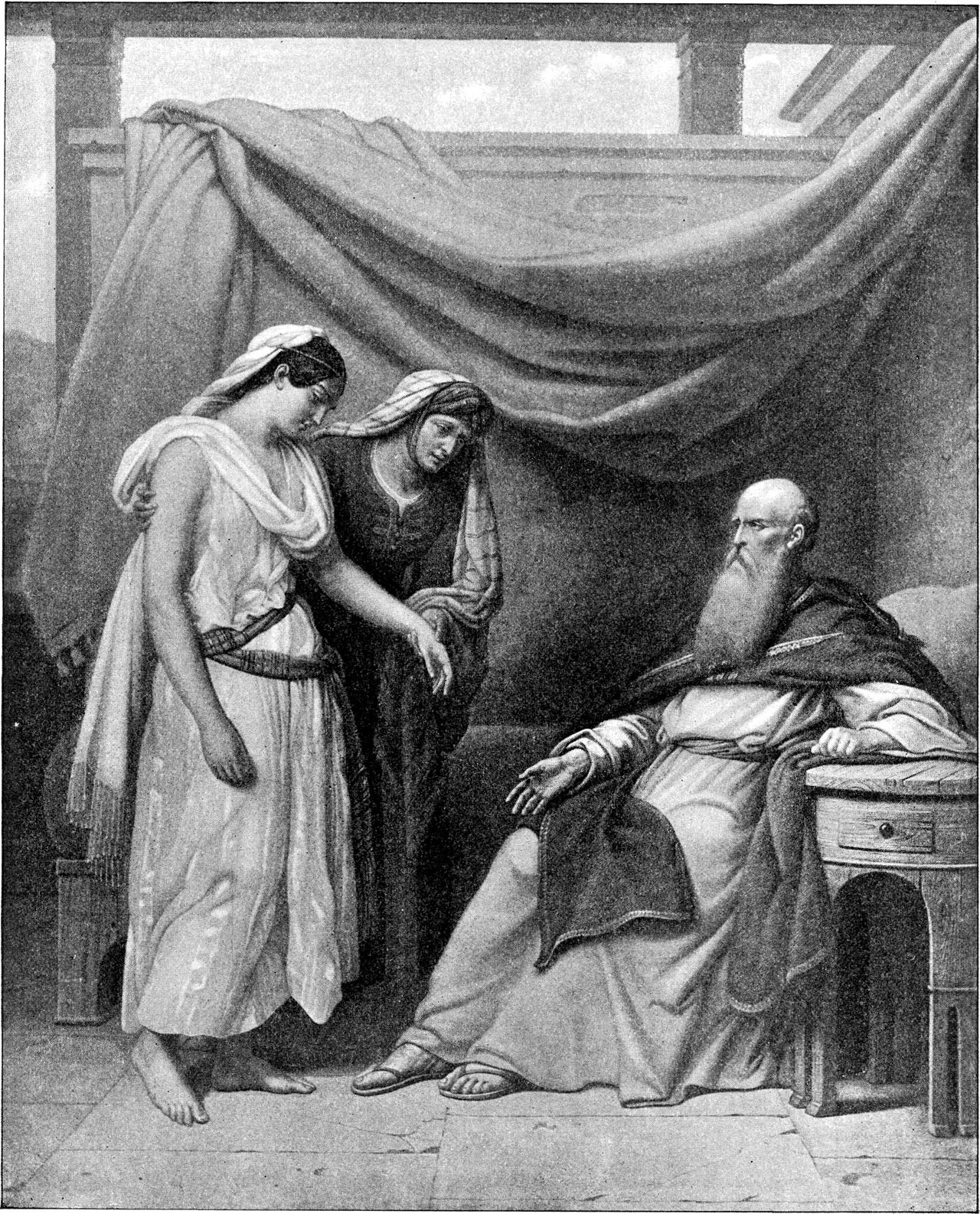
8 Images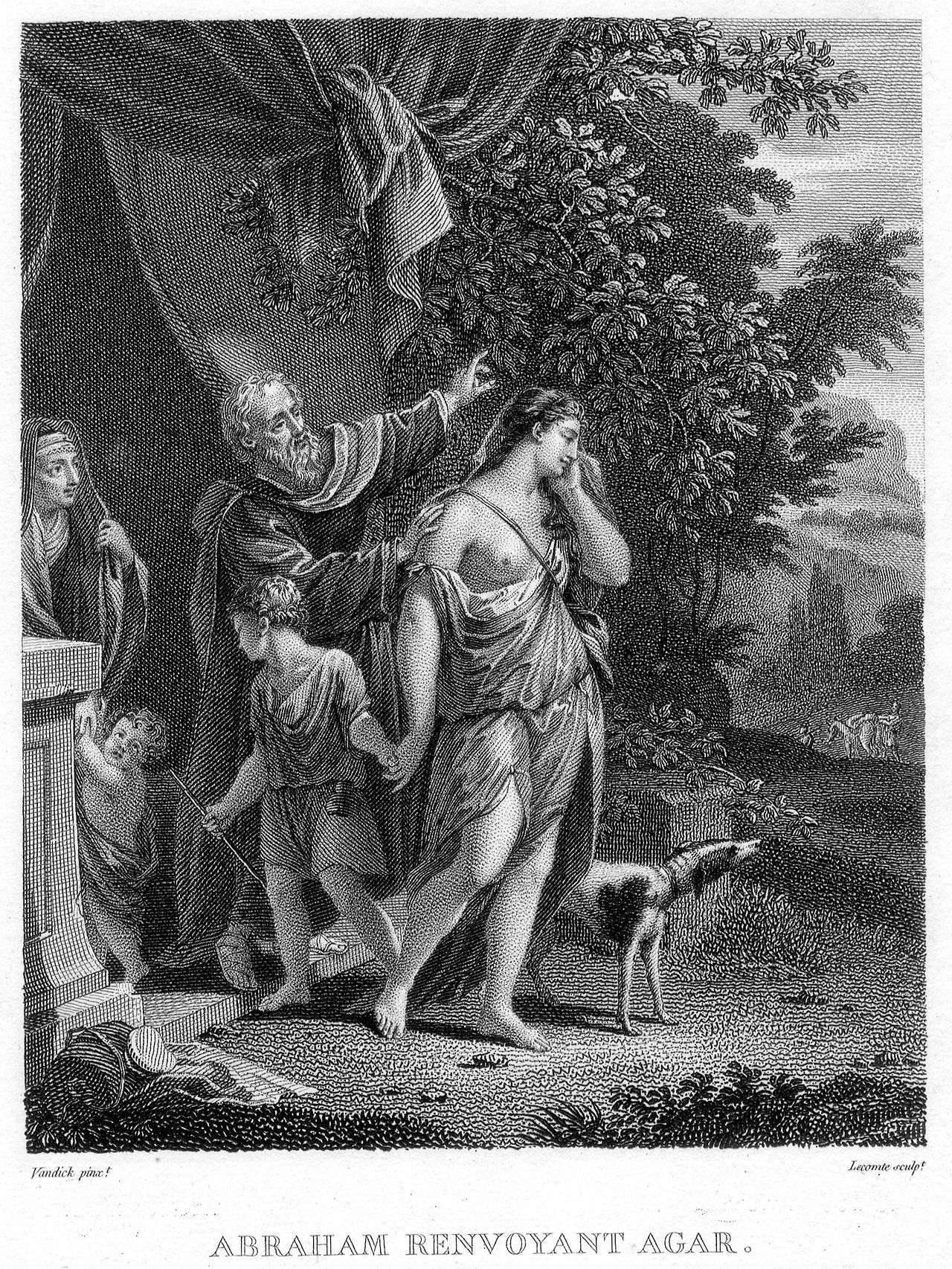




Life and narrative
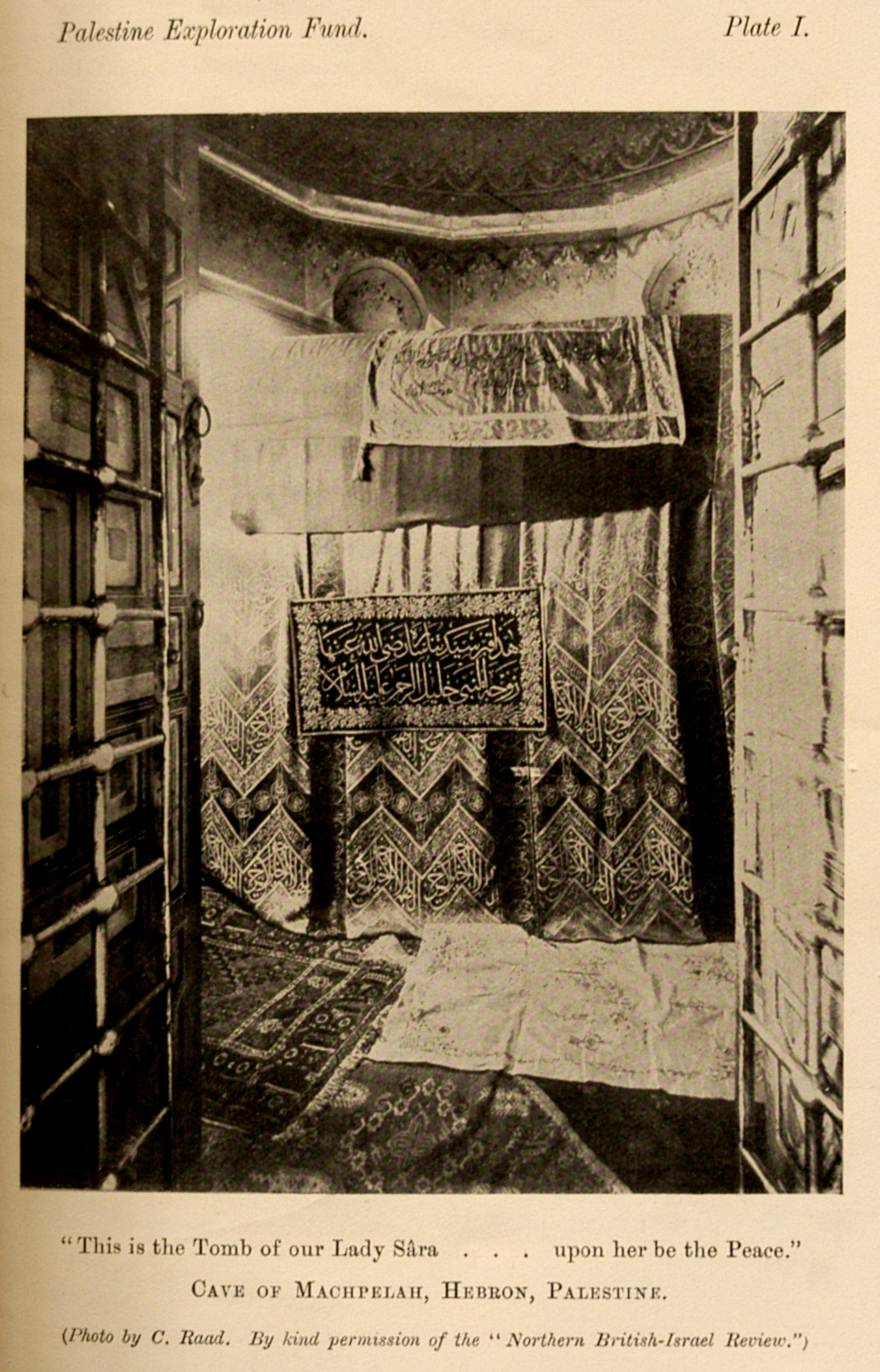
The biblical account chronicles Sarah's journey from Haran to the land promised to Abraham, episodes of famine and sojourn in Egypt, and long years of barrenness. A central episode is the promise that she would bear a son in old age; she gives birth to Isaac when the narrative records her as ninety years old. Earlier tensions in the household include the story of Hagar and the birth of Ishmael, which have been interpreted and remembered in different religious traditions. Sarah is described as dying at the age of 127 and being buried by Abraham in the family burial cave at Hebron.
Religious and cultural significance
Sarah is venerated as one of the matriarchs and is central to themes of covenant, faith and divine promise. In Judaism she is part of the quartet of ancestral mothers (with Rebecca, Rachel and Leah) whose lives shape Israel's beginnings. In Christian interpretation Sarah often figures in reflections on faith and the miraculous; in Islamic tradition Abraham and his family are honored and Sarah is recognized as his wife, though details differ across sources. Her story has inspired theological reflection on barrenness, hospitality, and the transformation of names as signs of covenantal purpose.
Key episodes and motifs
- Migration from Haran and settlement in Canaan.
- Sojourn in Egypt and the issue of survival in foreign courts.
- Barrenness and the divine promise of a son in old age.
- Hagar and the birth of Ishmael, with ensuing family tensions.
- Burial in the Cave of Machpelah, a family sepulcher near Hebron.
Name, legacy and cultural use
The change from Sarai to Sarah is narrated as part of the promise that she would be "a mother of nations"; the name's common translation as "princess" has made it a popular given name across languages and eras. Artistic, literary and religious traditions have repeatedly reimagined Sarah: in art, drama and hymnography she is often cast as exemplar of patience and faith, or as a complex figure whose human doubts and responses are morally instructive. The name remains widespread in modern naming practices, in spellings such as Sarah and Sara.
Notable facts and distinctions
Scholars note that some numerical and narrative details in the Genesis account have symbolic dimensions and have been read in different ways by commentators. The Cave of Machpelah at Hebron—identified in the biblical text as the burial place of Abraham and Sarah—has been a site of memory and pilgrimage for many centuries. Across traditions, Sarah's story functions both as a family history in a sacred genealogy and as a source of theological reflection on promise, aging, and the unexpected reversal of human hopes.
For further reading, consult modern commentaries and comparative studies of the patriarchal narratives in the book of Genesis and related traditions that discuss Sarah's role and reception across religious communities.
Related articles
Author
AlegsaOnline.com Sarah (biblical matriarch) Leandro Alegsa
URL: https://en.alegsaonline.com/art/87304