
Sargon II — Assyrian ruler (reigned 722–705 BC)
Sargon II was an influential Neo-Assyrian king (722–705 BC) who consolidated imperial control, built the capital Dur‑Sharrukin, conducted wide campaigns, and left rich inscriptions and reliefs.
Overview
Sargon II (Akkadian name: Šarru‑kên, often translated as "legitimate" or "true king") ruled the Neo‑Assyrian Empire from 722 to 705 BC. He appears in classical and biblical sources as Sargon, a name taken in deliberate reference to the great Sargon of Akkad (Sargon of Akkad). His reign consolidated Assyrian dominance across the Near East and left an abundant archaeological record, including monumental reliefs and palace inscriptions.
Image gallery
10 Images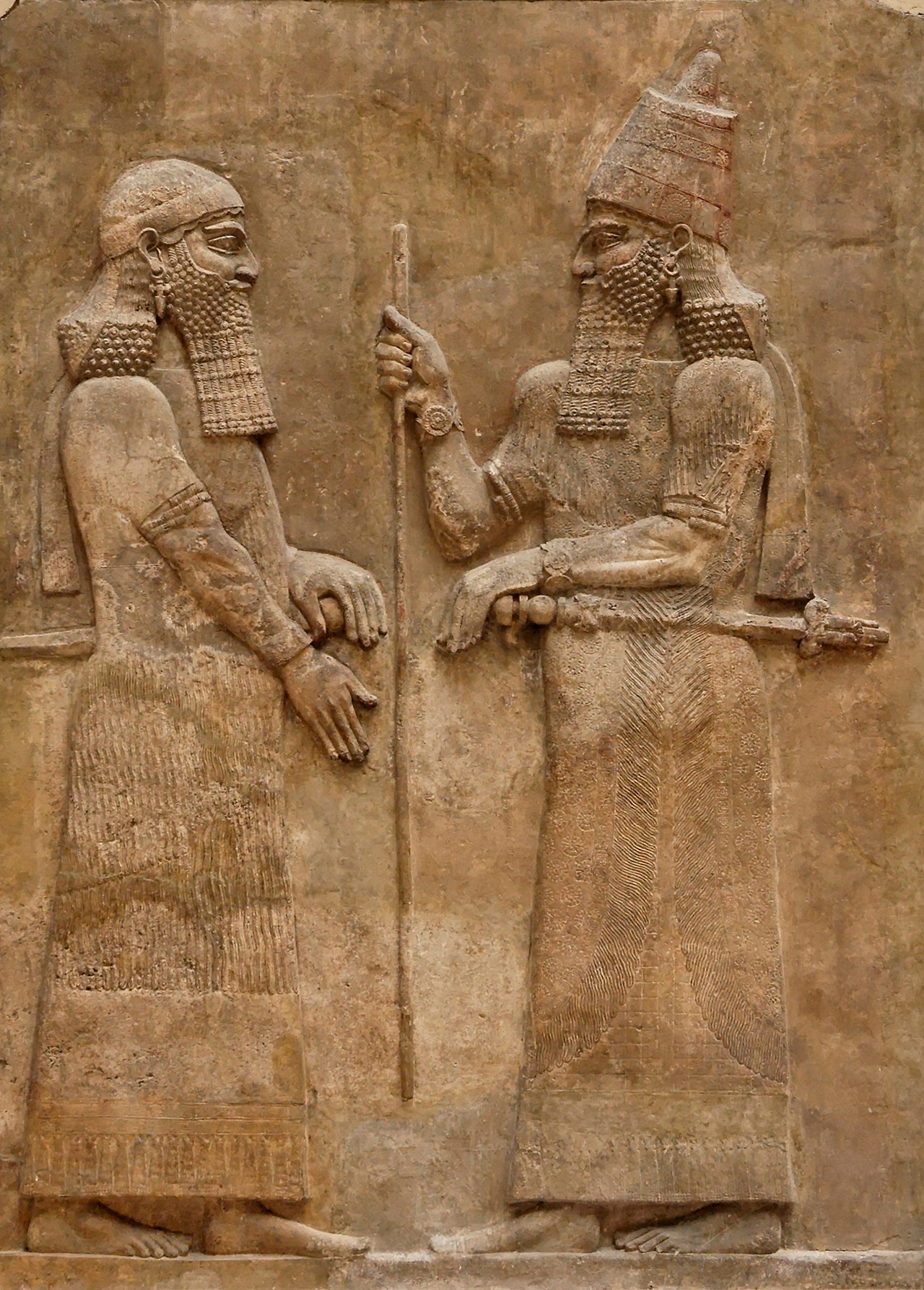


Rise to power and administration
Sargon became co‑regent with Shalmaneser V in 722 BC and was sole ruler by the same year after Shalmaneser's death. Ancient texts and modern scholars disagree about his origins: some present him as the son or close relative of Tiglath‑Pileser III, while others regard him as a usurper who legitimized his rule by assuming a storied royal name. In inscriptions Sargon largely portrays himself as a new and capable ruler who revived order and extended imperial institutions across Assyria.
Military campaigns and foreign policy
Military activity defined much of Sargon’s reign. He campaigned in the Levant, Anatolia and against Urartu to the north, suppressing revolts, besieging cities and deporting populations to secure Assyrian control. Contemporary and later sources attribute the fall of several western cities to his armies; the exact details of some sieges remain debated by historians because of competing royal claims. Sargon also engaged in diplomacy, setting client rulers and arranging treaties to stabilize key regions.
Building works and inscriptions
Sargon founded a new capital at Dur‑Sharrukin (modern Khorsabad), constructing a palace complex adorned with carved stone reliefs that celebrate his campaigns and royal ideology. These reliefs and lengthy cuneiform inscriptions are crucial primary sources for the period: they describe military operations, temple restorations, administrative measures and Sargon’s self‑presentation as a successful king. Many sculptures and inscriptional fragments were recovered in 19th‑century excavations and are now studied and displayed in museums.
Death and legacy
In 705 BC Sargon was killed while on campaign in the region of Tabal (in central Anatolia); ancient accounts record that he fell in battle and that his body was not recovered. His death brought a swift succession by Sennacherib, who shifted the royal residence back to Nineveh. Sargon’s reign is remembered for its military achievements, administrative consolidation and artistic patronage. Modern archaeology — beginning with 19th‑century discoveries at Khorsabad — revived knowledge of his court and inscriptions and reshaped understanding of Neo‑Assyrian power.
Notable facts and scholarly points
- Sargon adopted a name deliberately linked to a much earlier Mesopotamian ruler to evoke legitimacy and antiquity.
- His building program at Dur‑Sharrukin was lavish but short‑lived: the new capital was abandoned soon after his death.
- His career is documented both by royal inscriptions and by external chronicles; where accounts differ, modern historians weigh archaeological evidence and comparative texts.
For further general reading on the Akkadian name form and epigraphy, the political history of Assyria, and the classical Sargon of Akkad traditions, consult linked reference materials: Akkadian sources, Assyrian histories and studies of Sargon of Akkad.
Related articles
Author
AlegsaOnline.com Sargon II — Assyrian ruler (reigned 722–705 BC) Leandro Alegsa
URL: https://en.alegsaonline.com/art/87360