
Joinville — industrial and cultural hub of Santa Catarina, Brazil
Joinville is a major industrial and cultural center in Santa Catarina, Brazil, known for a large metropolitan population, Germanic heritage, diversified manufacturing and the annual dance festival.
Overview
Joinville is the largest city in the Brazilian state of Santa Catarina and one of the principal urban centers in southern Brazil. The city itself has roughly 550,000 inhabitants while its wider metropolitan area is home to more than a million people. Joinville combines an industrial economy with active cultural life and retains visible influences from European settlement in its architecture, cuisine and community organizations.

Image gallery
10 Images


Location, geography and population
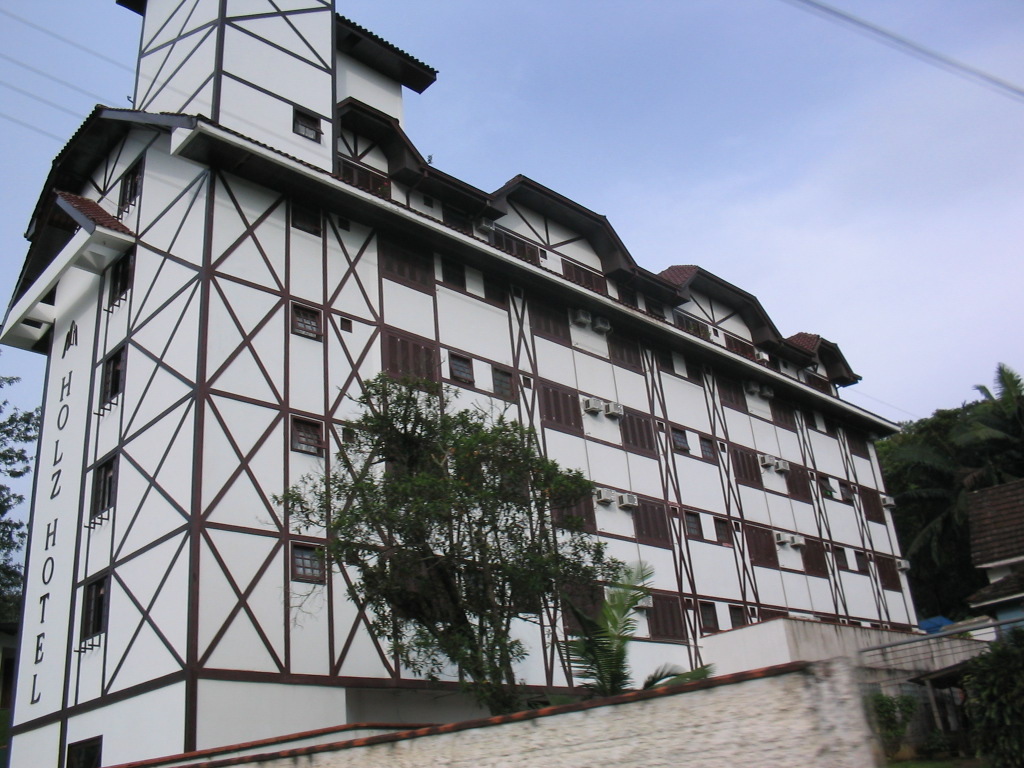
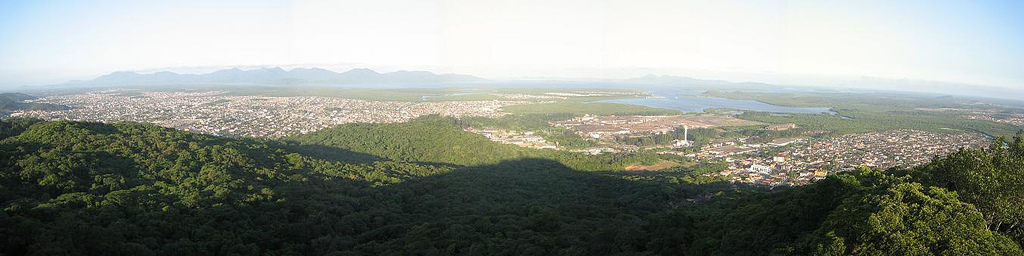
Situated near the northern coast of Santa Catarina on a complex of rivers and bays, Joinville occupies a strategic position for commerce and light industry. The climate is humid subtropical with warm summers and mild winters, supporting urban parks and green corridors within the municipal area. The population mix reflects waves of immigration, particularly from Germany, Switzerland and Norway, which shaped the townscape and many local traditions.
History and development
Joinville grew from a mid‑19th century settlement established as part of organized colonization efforts. Its name recalls a European princely connection that figures in regional founding narratives. Over decades the settlement evolved from agricultural colonists into a manufacturing and services center as railways, road links and later an airport fostered industrial expansion and regional integration.
Economy and infrastructure
The city's economy is diversified and export‑oriented. Key activities include:
- manufacturing: metalworking, machinery and automotive suppliers;
- textiles and apparel, reflecting a long regional tradition;
- plastics, furniture and home appliances;
- technology and services, with small software and engineering firms.
Transport infrastructure includes a regional airport that links Joinville to larger Brazilian hubs and road connections to nearby ports and cities, supporting both domestic trade and modest export flows.

Culture and notable facts
Joinville is well known for cultural events that attract national and international visitors. The city hosts a prominent annual dance festival, strong community arts programs, and institutions dedicated to local history. Its European heritage appears in festivals, cuisine and some architectural styles, but Joinville today is a dynamic Brazilian city blending traditional elements with modern industry and education.
Distinctions and regional role
As the largest municipality in Santa Catarina, Joinville plays an important role in the state's economy and labor market. It is often cited among the major urban centers of southern Brazil for its industrial output and metropolitan population. Visitors and researchers encounter a combination of manufacturing parks, cultural venues and urban green spaces that together define the city's contemporary identity.
Questions and answers
Q: Where is Joinville located?
A: Joinville is located in Santa Catarina state in southern Brazil.
Q: What is the population of Joinville?
A: Approximately 550,000 people live in the city, and about 1.3 million people live in the surrounding metropolitan area.
Q: What is the ethnic background of most of the people living in Joinville?
A: Most of the people are of German, Swiss and Norwegian descent.
Q: How does Joinville rank among other cities in Brazil's southern region?
A: It is the third largest city in the southern region of Brazil.
Q: Is Joinville an industrial city?
A: Yes, it is a major industrial city.
Q: Is it the largest city in Santa Catarina?
A: Yes, it is the largest city in Santa Catarina.
Related articles
Author
AlegsaOnline.com Joinville — industrial and cultural hub of Santa Catarina, Brazil Leandro Alegsa
URL: https://en.alegsaonline.com/art/50958