
Sanitary napkin (menstrual pad)
A sanitary napkin, or menstrual pad, is an absorbent item worn in underwear to collect menstrual blood. Pads vary by absorbency, shape, materials and can be disposable or reusable, with environmental trade-offs.
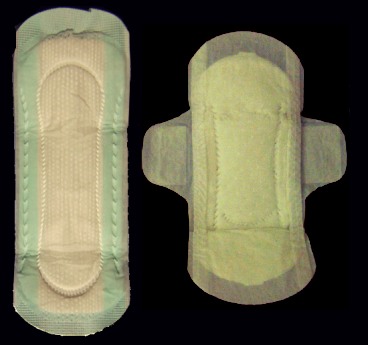
Overview: A sanitary napkin—also called a sanitary pad, menstrual pad or towel—is an absorbent product worn in the underwear to collect menstrual flow. It provides an external option to internal products and is designed to prevent bleeding from reaching clothing while offering comfort and protection.
Image gallery
9 Images


Design and common materials
Modern pads typically consist of several layers engineered to absorb, distribute and retain fluid while minimizing leakage. Typical components include:
- Top layer (cover): a soft material that contacts the skin and allows liquid to pass through.
- Absorbent core: made from cellulose (pulp) and often enhanced with superabsorbent polymers that hold moisture.
- Leakproof backing: a thin plastic or polymer film that prevents fluid escaping into underwear.
- Fastening features: adhesive strips or wings that help secure the pad in place.
Different products vary in thickness, length and absorbency for light to heavy flow.
History and development
People have used cloth and natural materials for menstrual management for centuries. Commercial disposable pads emerged in the late 19th and early 20th centuries and evolved as materials science introduced new absorbents and adhesives. Over time designs shifted toward thinner, more absorbent shapes and single-use convenience, while cloth and other reusable options have persisted as alternatives.
Types and practical use
Sanitary napkins are sold in a range of styles: panty liners for daily discharge or very light days, regular pads for typical flow, and overnight or heavy-flow pads with greater coverage. When using a disposable pad, it is typically placed in the underwear and replaced regularly. Reusable cloth pads are washed and dried between uses. For additional context see menstrual health resources.
Environmental and health considerations
Disposable pads contain biodegradable and non-biodegradable components; the plastic backing and some absorbents contribute to waste. Because of this, many people consider reusable pads or other alternatives such as menstrual cups. Proper disposal, product choice and attention to skin comfort can reduce irritation. For product guidance consult reputable sources such as health organizations and manufacturer instructions found via product information.
Distinctions and notable facts
Sanitary napkins differ from tampons (internal) and menstrual cups (reusable internal) in placement and waste profile. They are available both as single-use disposables and as reusable cloth versions; selection often reflects personal comfort, lifestyle and environmental priorities. For comparisons and further reading, see consumer guides.
Author
AlegsaOnline.com Sanitary napkin (menstrual pad) Leandro Alegsa
URL: https://en.alegsaonline.com/art/87044