
Bandipore: town and administrative area in Jammu and Kashmir
Bandipore (Bandipora) is a town and administrative area in the Kashmir Valley, known for its location by Wular Lake, local agriculture and fisheries, Kashmiri culture, and role as a district hub.
Overview
Bandipore (also spelled Bandipora) is a town and local administrative unit in the Kashmir Valley of the Indian union territory of Jammu and Kashmir. It sits on the northern shores of Wular Lake and functions as a centre for nearby villages. Historically Bandipore was organised as a sub-district (tehsil) within Baramulla District, and over time its administrative role has expanded to serve surrounding rural communities.
Image gallery
3 Images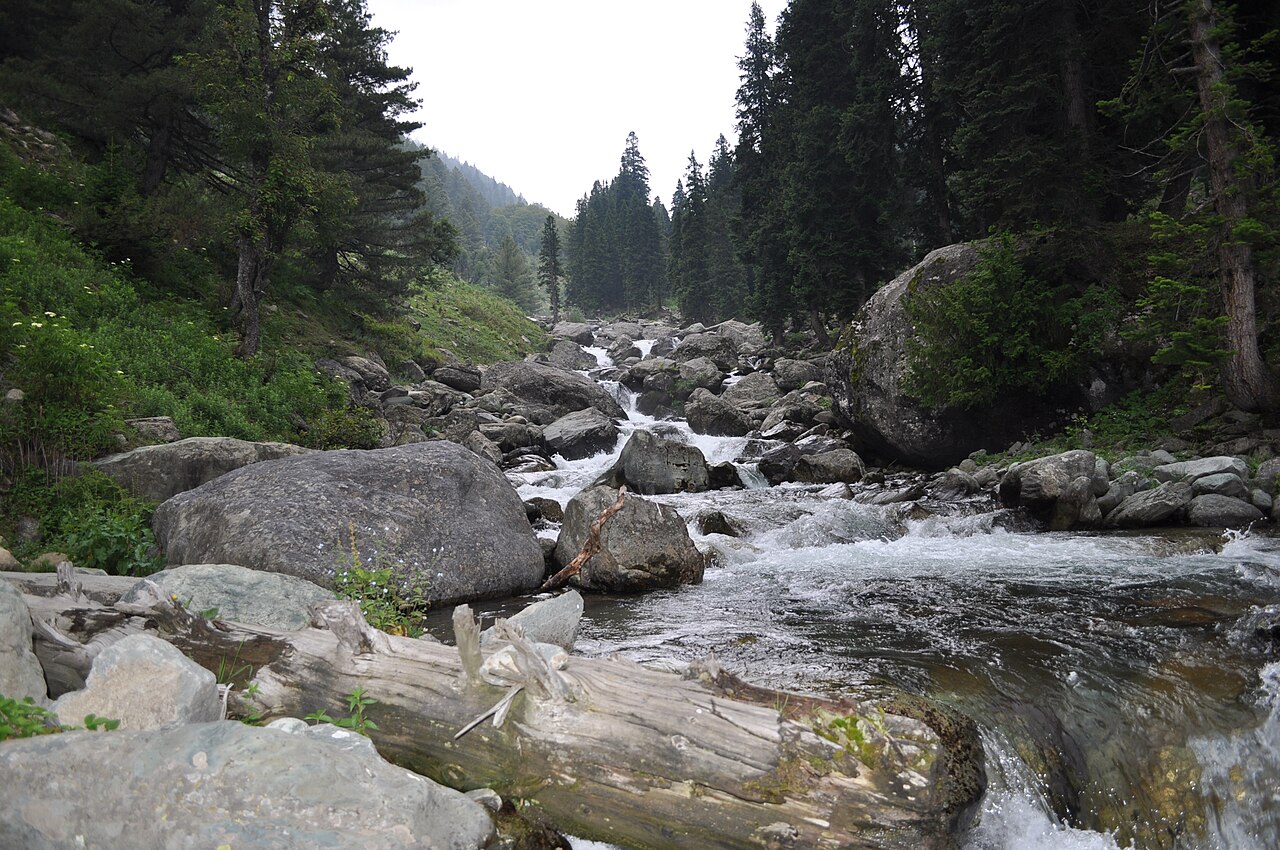


Geography and environment
Bandipore occupies low-lying land near one of South Asia's larger freshwater wetlands, Wular Lake. The surrounding landscape mixes lake wetlands, irrigated farmland and modest foothills. The local climate is temperate with cold winters and mild summers typical of the Kashmir Valley. The lake and adjoining marshes are important for migratory birds, freshwater fisheries and seasonal reed growth.
Economy and society
The local economy combines agriculture, horticulture and fishing. Rice, maize and vegetable cultivation occur on irrigated fields while many families depend on fish from Wular Lake and related processing. Traditional Kashmiri handicrafts and small trade support household incomes. Kashmiri language and culture predominate, with community life shaped by seasonal festivals, religious observances and market days.
Transport and administration
Bandipore is connected by regional roads to larger urban centres in the valley; Srinagar serves as the nearest major city and air access point. Local governance includes municipal and district-level offices that provide basic services, education and health facilities to the town and surrounding villages.
Notable features and conservation
- Wular Lake: a significant freshwater body supporting biodiversity, fisheries and tourism.
- Wetland ecology: important for birds and local livelihoods, subject to conservation concerns such as sedimentation and water management.
- Cultural life: reflects broader Kashmiri traditions in music, crafts and cuisine.
Bandipore's importance lies less in large urban infrastructure than in its role as a hub for lake-based resources, agriculture and the cultural life of northern Kashmir.
Related articles
Author
AlegsaOnline.com Bandipore: town and administrative area in Jammu and Kashmir Leandro Alegsa
URL: https://en.alegsaonline.com/art/8695