
San Salvador Island (Watling Island), Bahamas
San Salvador Island, historically called Watling Island, is a small Bahamian island long associated with Columbus's 1492 landfall; known for reefs, beaches, Cockburn Town and a tourism- and fishing-based community.
Overview
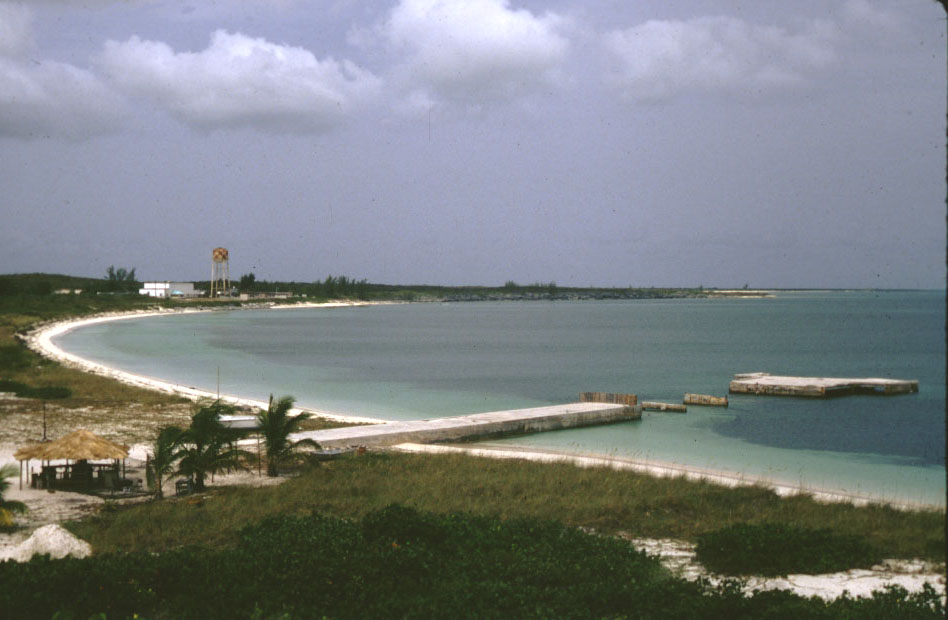
San Salvador Island (formerly known in English as Watling Island) is a low, coral‑limestone island in the central Bahamas. It is renowned for clear waters, fringing coral reefs, white sand beaches and a small population that centers on maritime activities and visitor services. The island is a popular destination for snorkeling, scuba diving and fishing.
Image gallery
8 Images




Geography and environment
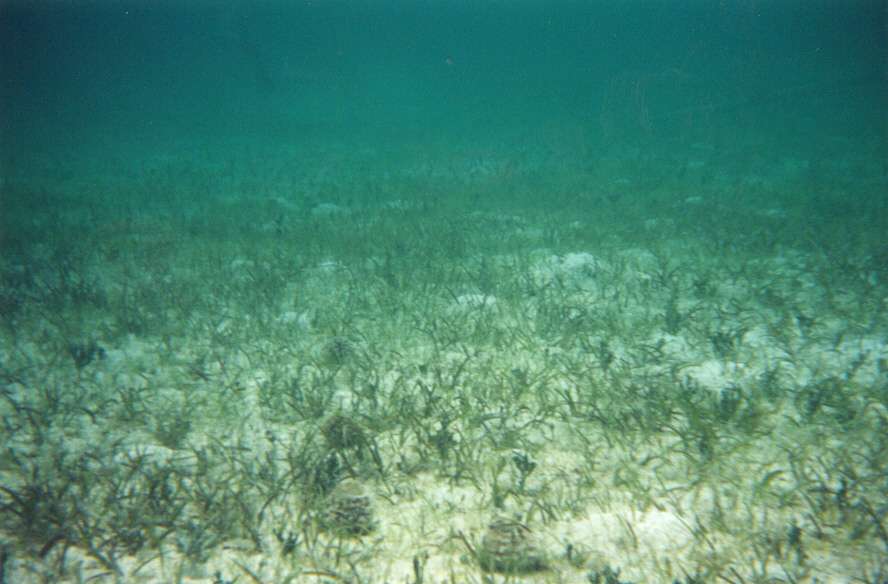
The island consists mainly of uplifted carbonate rock with a shoreline of beaches, rocky headlands and tidal flats. Offshore reefs, underwater ridges and deep channels create diverse marine habitats that support reef fish, sea turtles and invertebrates. Small interior salt ponds, coastal scrub and low vegetation cover much of the land; elevations are modest and the island is exposed to tropical storms and long‑term sea‑level concerns.
History and Columbus tradition
San Salvador is widely and traditionally identified as the site of Christopher Columbus's first landfall in the Americas on 12 October 1492. This association appears in local monuments and visitor interpretation, but it is not universally accepted by scholars: alternative islands in the Bahamas have been proposed and researchers use historical navigation accounts, indigenous place names and archaeological evidence to evaluate claims. For context see discussions of Christopher Columbus and the broader topic of the European arrival in the Americas.
Archaeology and indigenous peoples
Before European contact the area was inhabited by indigenous peoples of the Lucayan branch of the Taíno cultural sphere. Archaeological finds across the Bahamas show settlement patterns, subsistence on marine and terrestrial resources, and trade networks. On San Salvador, traces of pre‑Columbian occupation are part of ongoing study and help inform interpretations of early contact.
Settlements, population and economy
The main settlement is Cockburn Town, a small administrative and service centre. The resident population is modest—commonly estimated at around one thousand people—and the economy relies on tourism, sport fishing, diving operations, small commercial fishing and government services. Many residents work in guesthouses, guiding, or seasonal tourism employment.
Tourism, access and conservation
Visitors come for reefs, wreck dives, calm beaches, birdwatching and island walks. Local operators run dive shops and fishing charters; accommodations range from small hotels to family guesthouses. Conservation priorities include reef protection, sustainable fisheries and coastal hazard adaptation. Practical visitor information and official details are available from Bahamian tourism and government resources here.
- Main town: Cockburn Town
- Traditional claim: Columbus's 1492 landfall
- Key activities: Diving, snorkeling, fishing, eco‑tourism
For maps, further reading and official statistics consult reputable travel guides, academic studies of early Atlantic navigation and the links above. Visitors and researchers are advised to treat the Columbus identification with cautious interest and to support local conservation efforts when visiting.
Related articles
Author
AlegsaOnline.com San Salvador Island (Watling Island), Bahamas Leandro Alegsa
URL: https://en.alegsaonline.com/art/86921