
Sana'a — capital and historic city of Yemen
Sana'a is Yemen's largest city and traditional capital, known for its ancient walled Old City, distinctive multi‑story tower houses, and its central role in Yemen's history and recent conflicts.
Overview
Sana'a is the traditional capital and principal urban centre of Yemen. Its Arabic name is often rendered as Ṣanʿāʾ. The city functions as an administrative and cultural hub and is associated with the wider Sana'a Governorate. Population figures have varied: one official count recorded 1,747,627 residents in 2004 (population 2004), while later estimates were affected by migration and conflict. Sana'a is commonly referenced as the national capital in historical and many international contexts (capital), though during recent instability portions of the state apparatus relocated to other cities.
Image gallery
10 Images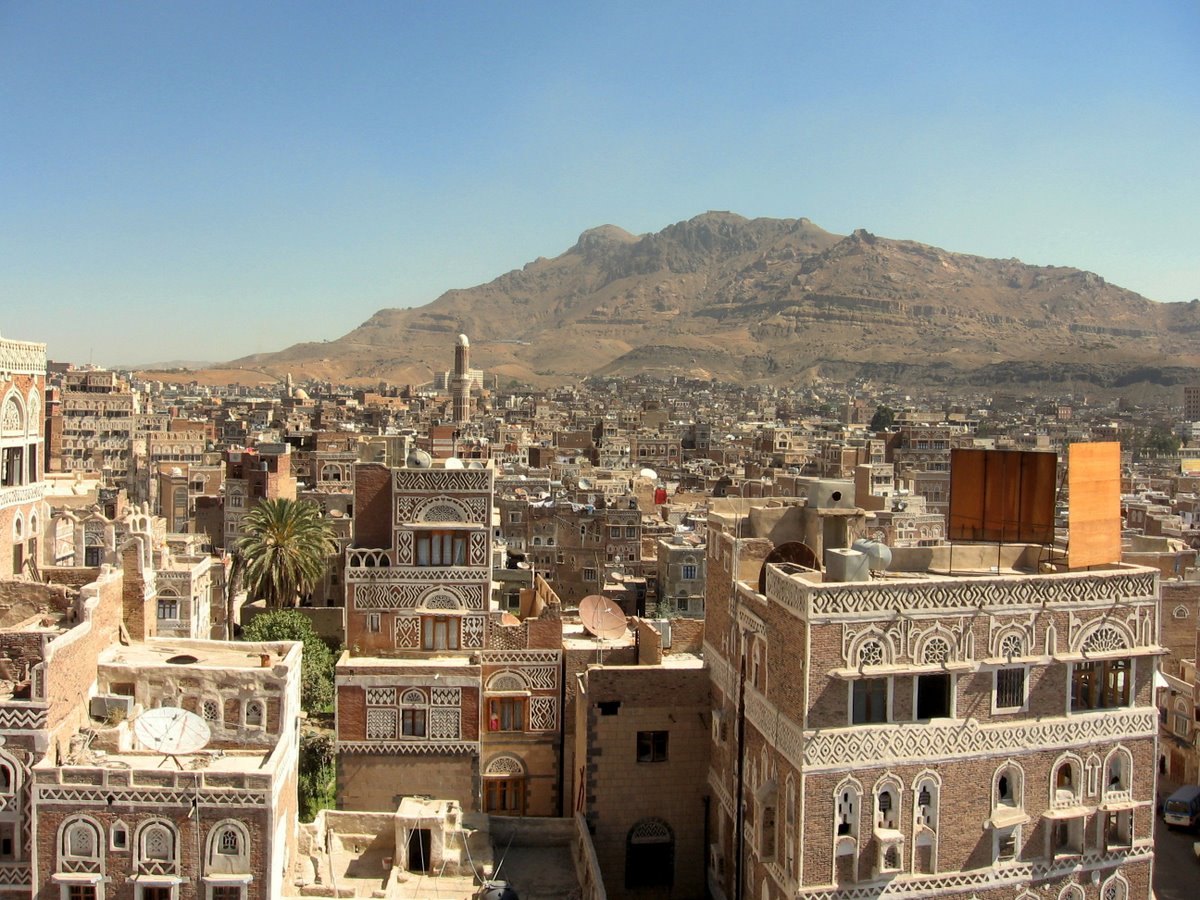



Geography and architecture
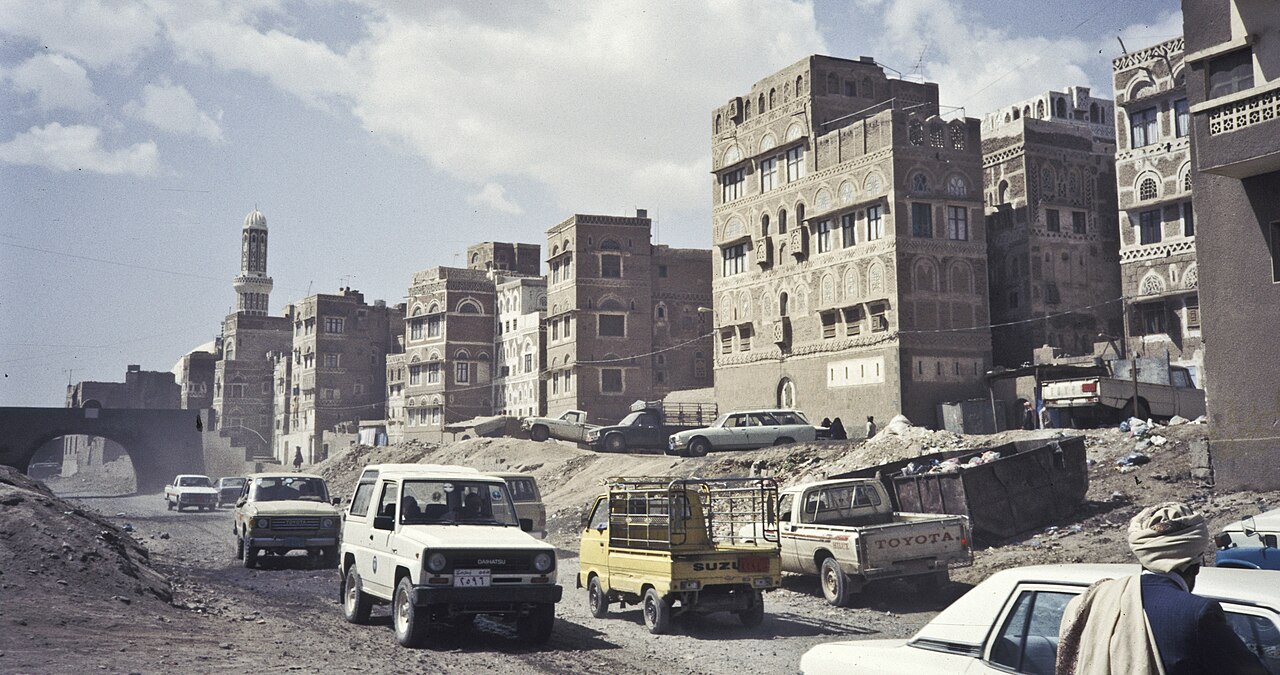
The city sits on a highland plateau, which gives it a climate cooler than Yemen's lowland and coastal zones. Sana'a's Old City is a dense, often-walled district famed for its multi‑storey tower houses built from rammed earth and baked brick, decorated with distinctive white gypsum motifs around windows. The compact street plan, tall domestic towers and public mosques present an exceptionally well-preserved example of traditional Yemeni highland urbanism; the Old City has been recognised for its heritage value by international conservation bodies.
History
Sana'a has a long history as a regional centre stretching through pre-Islamic and Islamic periods. It developed as a market and religious centre on inland trade routes and later became a seat of regional rulers. Over centuries the urban fabric absorbed successive layers of architecture and planning, including Ottoman and modern republican influences, producing a complex mix of historic houses, souks and institutional buildings.
Modern era and recent conflict
In the 2010s Sana'a was affected by national political upheaval and armed conflict. Rival groups gained control of parts of the city and key national institutions, and the internationally recognised government moved some operations to other locations, including Aden. The disruption has strained public services, damaged infrastructure and increased humanitarian needs among residents and displaced people.
Culture, economy and landmarks
Sana'a remains a centre for Yemeni culture, traditional crafts and commerce. Local economies include small-scale manufacturing, handicrafts, food processing and market trade. Notable features and sites include:
- The walled Old City with its multi-storey tower houses and narrow alleys.
- Historic mosques and religious schools reflecting long-standing Islamic traditions.
- Active souks and neighbourhood markets supplying daily commodities and artisanal goods.
Significance and conservation
Scholars and conservationists highlight Sana'a for the survival of its traditional urban fabric and its role in Yemeni identity. Efforts to document and protect historic buildings have been ongoing, though these have faced new pressures from urban growth and the impacts of conflict. For general administrative and demographic context see links to Yemen and local governance sources.
Related articles
Author
AlegsaOnline.com Sana'a — capital and historic city of Yemen Leandro Alegsa
URL: https://en.alegsaonline.com/art/86934