
Samdrup Jongkhar District
Samdrup Jongkhar is an eastern Bhutanese district centered on the border town of the same name. It functions as a regional trade gateway and contains diverse landscapes, cultures, and administrative subdivisions.
Samdrup Jongkhar District (Dzongkha: བསམ་གྲུབ་ལྗོངས་མཁར་རྫོང་ཁག་; Wylie: Bsam-grub Ljongs-mkhar rdzong-khag) occupies a strategic position in eastern Bhutan. The district administrative centre is the town of Samdrup Jongkhar town, which historically and today serves as an important overland gateway between Bhutan and neighbouring India. The district's approximate geographic location is shown by these coordinates.
Image gallery
10 Images




Geography and environment
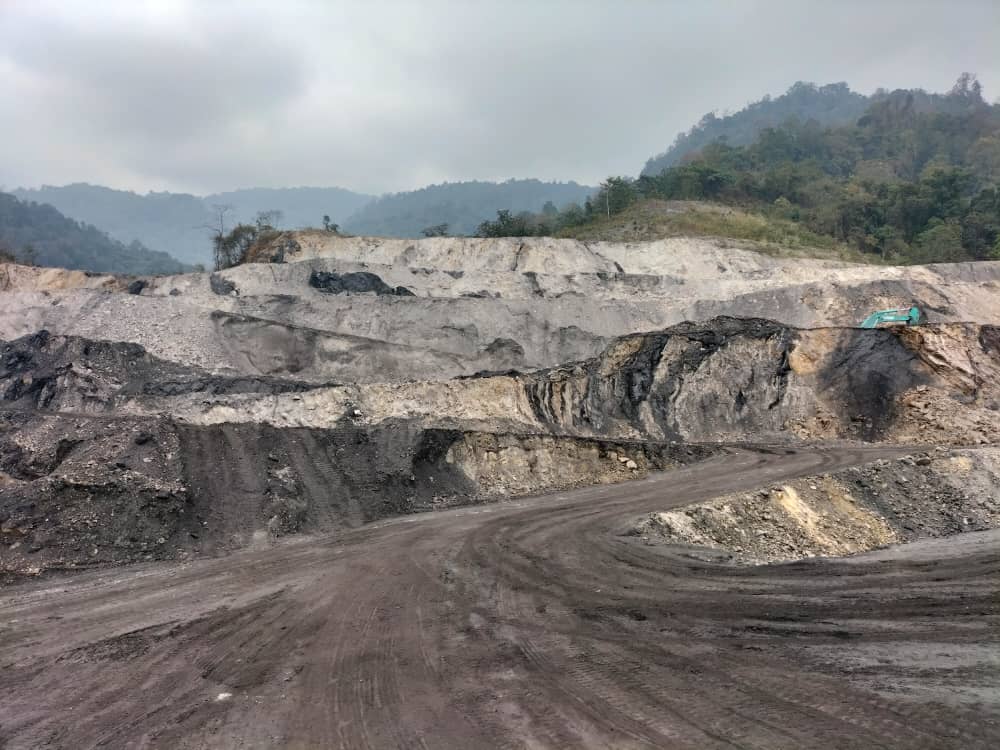
Located on Bhutan's southeastern flank, the district spans a range of elevations from lower river valleys to forested foothills. Climate zones vary from warm, subtropical conditions in the south to cooler, temperate areas at higher elevations. Vegetation includes subtropical forests and secondary woodlands that support a variety of wildlife typical of the region.
Administration and communities
Samdrup Jongkhar is divided into local administrative units known as gewogs (village blocks). There are eleven gewogs in the district, each consisting of a number of villages and hamlets. The district administration is responsible for local development, basic services, and coordination of road and cross-border trade activities.
Economy and infrastructure
The district economy relies on agriculture, small-scale commerce, and cross-border trade. The town of Samdrup Jongkhar functions as a commercial hub with markets and transport links that connect eastern Bhutan to Indian rail and road networks. Road infrastructure is a critical component for access to markets, healthcare and education for residents in the district's rural areas.
Culture and society
The population includes eastern Bhutanese communities with distinctive languages, dress and customs. Local festivals, Buddhist monasteries and traditional crafts such as weaving and bamboo work remain important parts of social life. Community institutions and local governance play a role in maintaining cultural practices while managing modernization pressures.
Importance and notable facts
- Functions as an eastern entry point for trade and travel between Bhutan and India.
- Contains a mix of lowland and foothill environments that influence local livelihoods.
- Administered through a district office with eleven gewogs overseeing rural development.
For maps, administrative details and travel information, official sources and local authorities provide up-to-date guidance on permissions, road conditions and services.
Related articles
Author
AlegsaOnline.com Samdrup Jongkhar District Leandro Alegsa
URL: https://en.alegsaonline.com/art/86662