
Salzgitter (city in Lower Saxony)
Salzgitter is an industrial city in Lower Saxony, Germany. Formed in 1942, it grew around steel production and today has about 108,000 residents across several boroughs and industrial sites.
Overview
Salzgitter is a city in central‑eastern Germany, located in the federal state of Lower Saxony. Established in 1942 through an administrative consolidation, the modern municipality developed quickly around heavy industry and mining. Today it is an urban district with roughly 108,000 inhabitants and a mix of industrial zones, residential boroughs and green areas.
Image gallery
7 Images


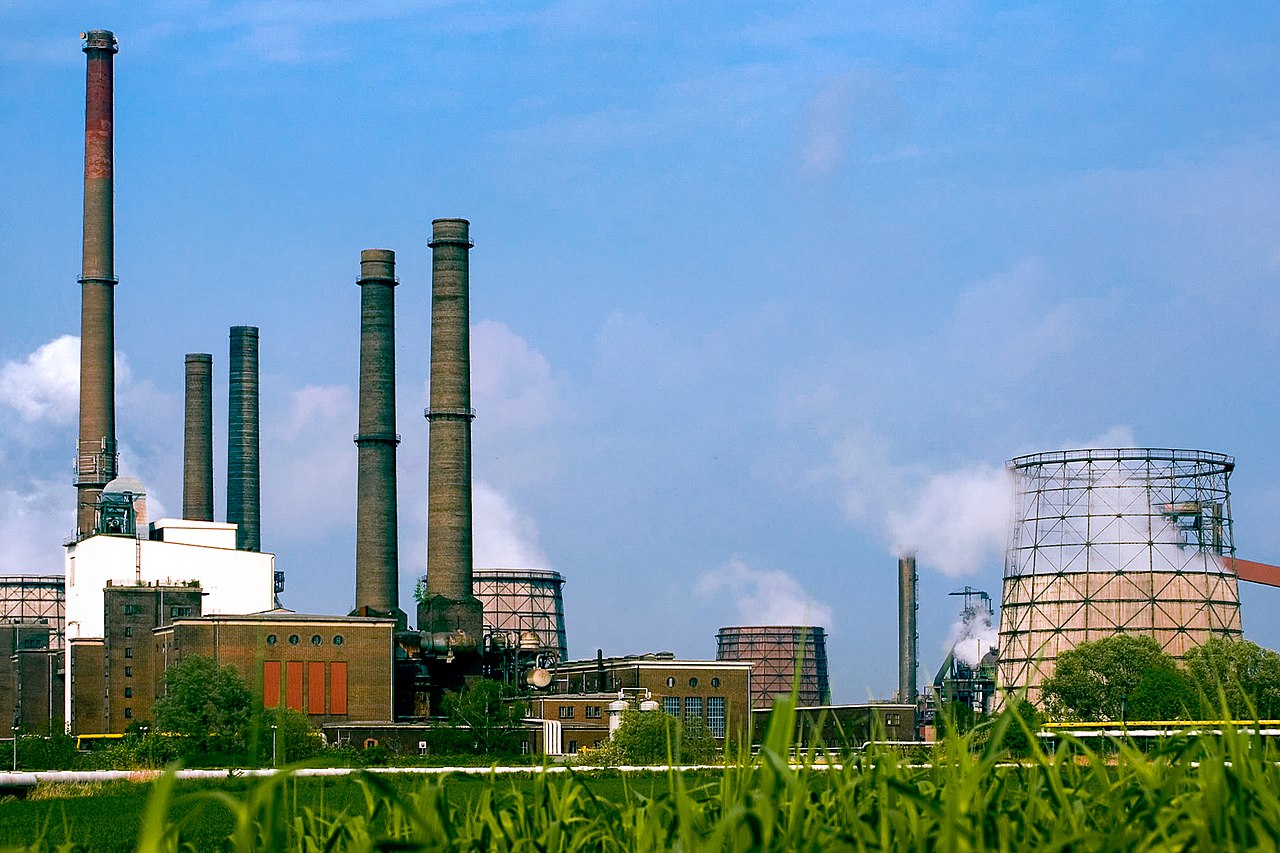


Geography and districts
The city's layout is dispersed: several formerly independent towns and villages were combined into a single municipal structure. Distinct parts of Salzgitter include older market towns and planned industrial suburbs; some districts retain a spa or historic center, while others are dominated by industrial facilities.
- Residential centers and small historic cores
- Large industrial complexes and steelworks
- Forests, recreational areas and former mining sites
History and development
Salzgitter's modern identity dates to the early 1940s when regional planning and wartime industry led to the merger of local communities. The presence of iron ore and subsequent steel production shaped the town's growth during the mid‑20th century. After the war the city adapted to peacetime industry and expanded its civic infrastructure while keeping strong ties to metalworking and manufacturing.
Economy and transport
Industry remains central to Salzgitter's economy, anchored by large steel and metal enterprises and related suppliers. The city is served by regional rail connections and highways that link it with nearby urban centers such as Hanover and Braunschweig, supporting freight and commuter movements. Local business parks and vocational institutions complement the industrial base and provide employment across multiple sectors. For an overview of the industrial sector, see industry information.
Culture, services and notable facts
Salzgitter combines industrial heritage with recreational space: museums and cultural events reflect local history, while parks and walking trails preserve the surrounding landscape. Some districts are known for spa facilities or historic town centers that predate the 1942 consolidation. The city's mixed character—industrial backbone alongside residential communities—makes it a notable example of a mid‑20th century planned urban region in Germany.
Related articles
Author
AlegsaOnline.com Salzgitter (city in Lower Saxony) Leandro Alegsa
URL: https://en.alegsaonline.com/art/86606
Sources
- destatis.de : "Alle politisch selbständigen Gemeinden mit ausgewählten Merkmalen am 31.12.2018 (4. Quartal)" · web.archive.org
- destatis.de : destatis.de/DE/ZahlenFakten/LaenderRegionen/Regionales/Gemeindeverzeichnis/Administrativ/…
- www1.nls.niedersachsen.de : Landesbetrieb für Statistik und Kommunikationstechnologie Niedersachsen, 102 Bevölkerung - Basis Zensus 2011, Stand 31. Dezember 2015 (Tabelle K1020014)