
Sakurai, Nara: City, history and cultural sites
Sakurai is a city in Nara Prefecture on Honshū, Japan, known for ancient Shinto sites, proximity to the Asuka region, archaeological remains, and cultural festivals centered on Mount Miwa and Ōmiwa Shrine.
Overview
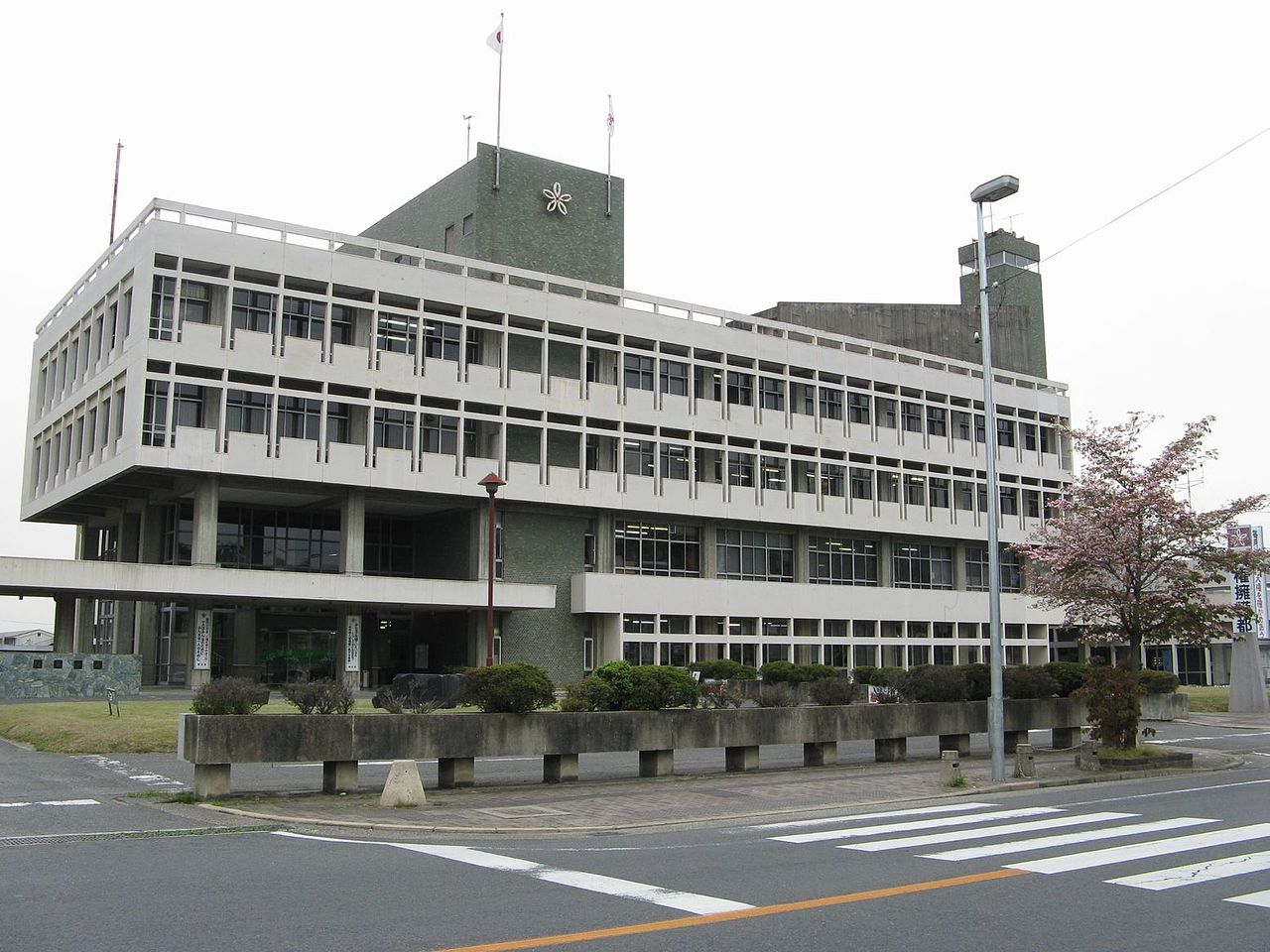
Sakurai is a city in Nara Prefecture on the island of Honshū. It sits within the historic Yamato region, an area central to early Japanese state formation. The city functions today as a local administrative and service center while also serving visitors who come to see ancient shrines, burial mounds and rural landscapes that reflect Japan's early history. For municipal information see official Sakurai resources.
Image gallery
4 Images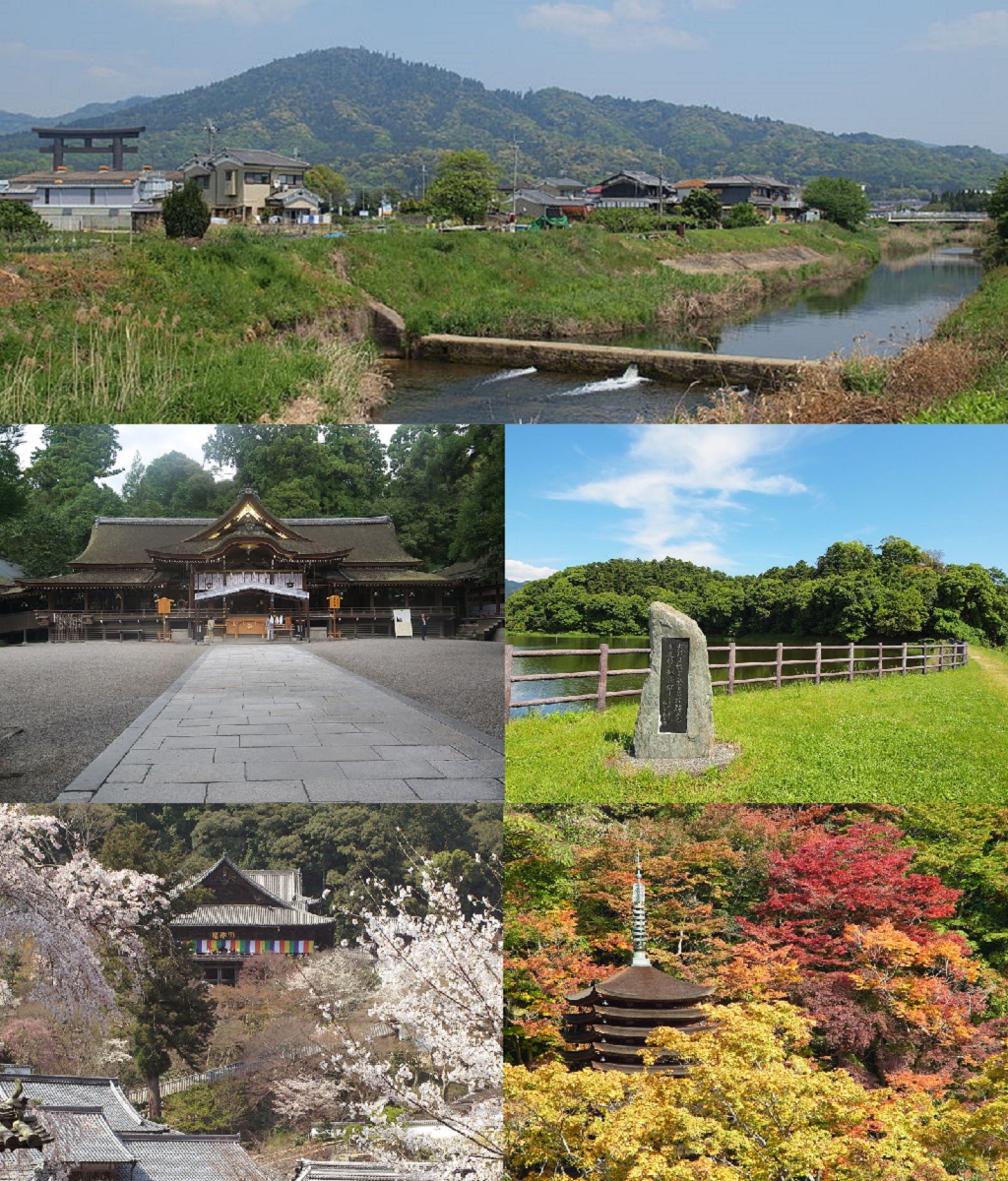


Historical background
The area around Sakurai has been inhabited since prehistoric times and played a role during the Kofun and Asuka periods when the Yamato polity developed. Many archaeological remains and old place-names attest to long continuity of settlement. Neighboring Asuka and other nearby sites preserve traces of courtly activity, temple foundations and ancient roadways that connected early capitals.
Notable sites and cultural life
Sakurai is probably best known for its association with Mount Miwa and the Ōmiwa Shrine, one of Japan's oldest Shinto sanctuaries where the mountain itself is the object of worship rather than a constructed main hall. Visitors often come to experience traditional shrine architecture, seasonal festivals and rituals. Other points of interest include temples, burial mounds and local museums that interpret the Yamato past. More about the mountain and shrine area can be found via Mount Miwa information.
Economy, transport and daily life
The city's economy combines agriculture, small-scale manufacturing and services. Its rural setting supports rice cultivation and horticulture alongside shops and businesses that serve residents. Transportation links connect Sakurai with the wider Nara region and with larger urban centers, making it accessible for day trips by rail or road. For regional context consult Nara Prefecture resources and local tourism portals such as tourism guides.
Distinctive features and significance
Sakurai's importance lies less in modern urban scale than in cultural continuity: sacred landscapes, early religious sites and nearby archaeological remains make it a focal point for understanding Japan's formative centuries. Scholars, pilgrims and casual visitors alike value its combination of living religious practice and preserved historical environment.
- Key site: Ōmiwa Shrine on Mount Miwa
- Nearby historical areas: Asuka-period remains and kofun tombs
- Activities: shrine festivals, heritage tourism, local crafts
Related articles
Author
AlegsaOnline.com Sakurai, Nara: City, history and cultural sites Leandro Alegsa
URL: https://en.alegsaonline.com/art/86373
Sources
- books.google.com : "Omiwa-jinja"
- esake.com : "Heart and soul of sake in the breweries of Nara,"
- books.google.com : Japan; Geschichte nach japanischen Quellen und ethnographische Skizzen. Mit einem Stammbaum des Kaisers von Japan, p. 13
- books.google.com : Gukanshō, pp. 262-263