
Saint-Omer: town in Pas-de-Calais, northern France
Saint-Omer is a historic commune in Pas-de-Calais, northern France, known for its cathedral, wetland marshes (Marais Audomarois), medieval heritage and cultural museums.
Overview

Image gallery
6 Images


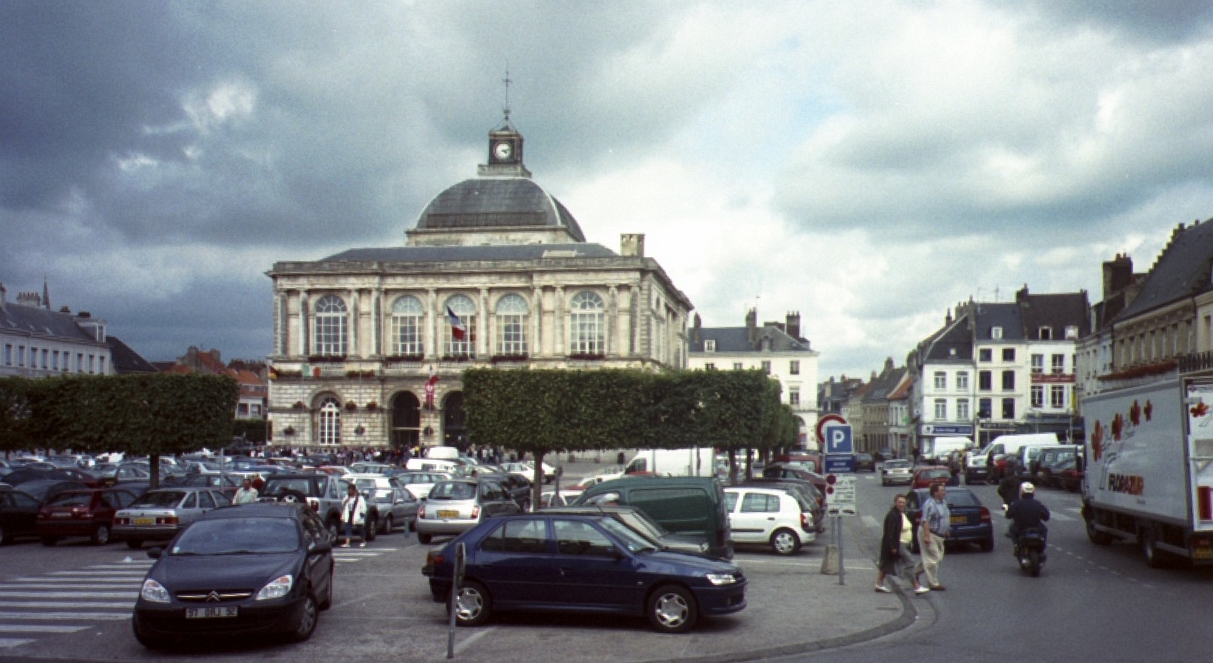


History and development
Saint-Omer grew up around a sixth- and seventh-century religious foundation attributed to Saint Audomar (Omer). Over the Middle Ages it became an episcopal and commercial hub, with layers of building that reflect changing rulers and influences from both Flemish and northern French traditions. Its historic core retains narrow streets, churches and civic buildings that show Gothic and later styles.
Landscape and environment
The town is closely associated with the Marais Audomarois, a distinctive marshland that surrounds parts of the area. These wetlands, criss-crossed by small canals and ditches, have been shaped by centuries of agriculture, navigation and careful water-management and are valued today for biodiversity, outdoor recreation and traditional market gardening.
Notable sites
- Saint-Omer Cathedral (Notre-Dame) – a major medieval church known for its scale and stained glass.
- Historic centre – timber-framed houses, cobbled streets and civic monuments that illustrate the town’s long urban history.
- Museums such as the local collections that present archaeology, fine arts and regional life.
Today Saint-Omer attracts visitors for its combination of built heritage and natural landscapes. The local economy mixes agriculture, light industry and services; festivals and markets underline the town's regional role. Transport links and proximity to larger ports and cities make it an accessible stop for travellers exploring northern France.
Related articles
Author
AlegsaOnline.com Saint-Omer: town in Pas-de-Calais, northern France Leandro Alegsa
URL: https://en.alegsaonline.com/art/86013