
Saint-Magne (Gironde), France
Saint-Magne is a small commune in Gironde, historically in Aquitaine, in southwestern France. A rural village with agricultural landscapes, a parish heritage and links to the Bordeaux region and local viticulture.
Overview
Saint-Magne is a small commune in southwestern France. It lies in the historic region of Aquitaine and its modern administrative context is tied to the larger territory often referred to as Nouvelle-Aquitaine. The commune is part of the Gironde area and shares the rural character common to villages around the city of Bordeaux.
Image gallery
1 Image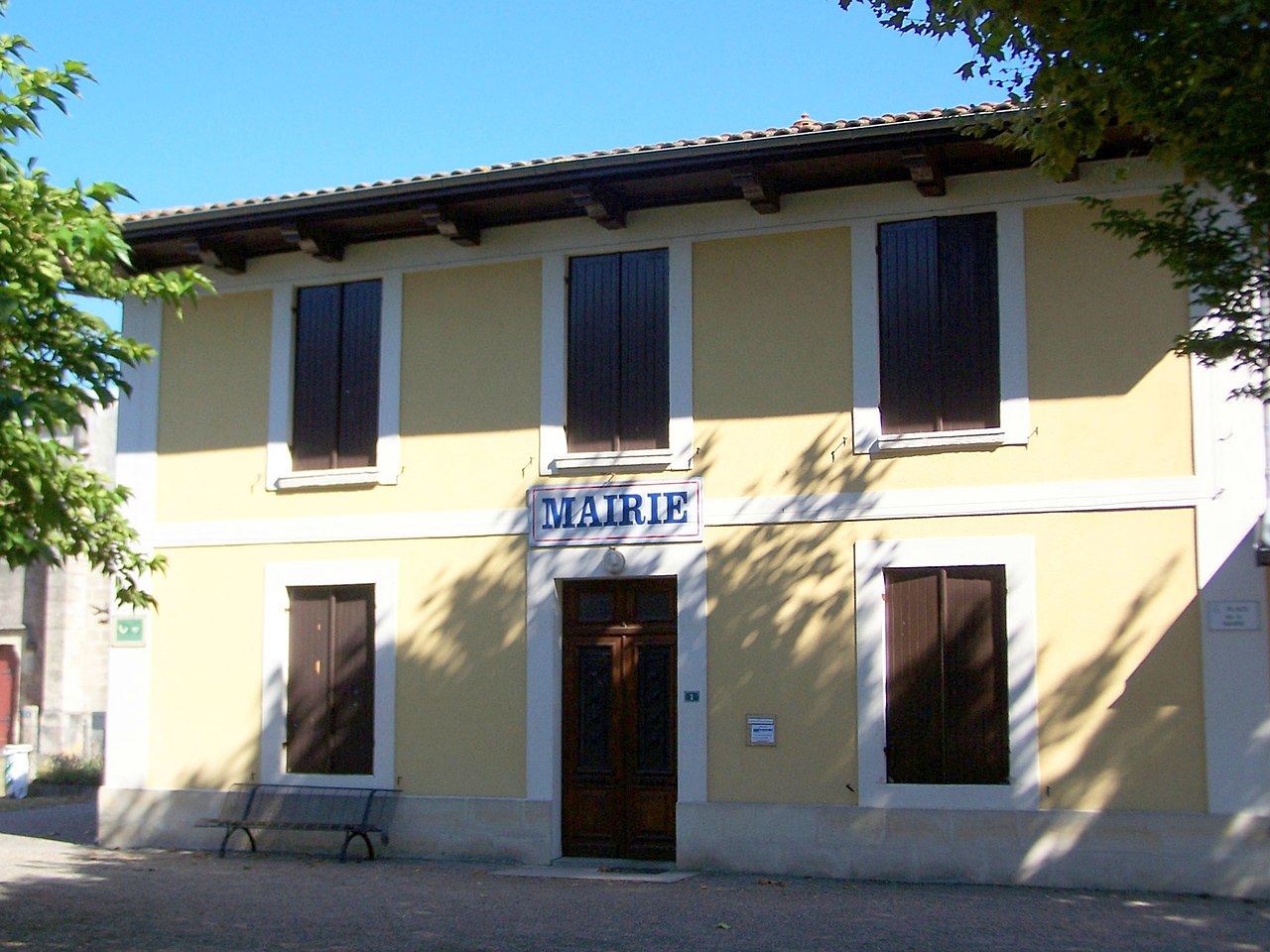
Geography and character
The settlement is typically rural, surrounded by farmland, patches of woodland and vineyards that reflect the Gironde landscape. Local buildings often include a central parish church, stone houses and agricultural outbuildings. Small roads connect the village to neighboring communes and to regional centers.
History and name
The name Saint-Magne derives from a Christian dedication to a saint called Magnus ("Magne" in French usage), a common origin for many French communes. The place developed as a medieval parish and later became an administrative commune under the departmental system created after the French Revolution. Over time its administrative affiliations have followed national reforms: historically in Aquitaine and now within the broader framework that includes Nouvelle-Aquitaine.
Economy, culture and attractions
Local life centers on agriculture, small-scale viticulture and services that support nearby towns. Visitors find rural walks, a village church and seasonal fêtes or market days that illustrate regional traditions. The commune benefits from proximity to the vineyards and cultural attractions of Gironde, while remaining quieter than the urban core.
Administration and practical information
- Department: Gironde, part of France's department-level administration.
- Local governance: administered as a commune with a mayor and municipal council; services shared with nearby communes through intercommunal arrangements (departmental resources).
- Access: reachable by regional roads and within reach of larger transport hubs and cities in the southwest of France.
Saint-Magne exemplifies many small French rural communes: modest population, an agricultural base, and cultural continuity rooted in local parish life. It serves as a quiet residential community and a point of access for exploring the wider Gironde and Aquitaine heritage.
Related articles
Author
AlegsaOnline.com Saint-Magne (Gironde), France Leandro Alegsa
URL: https://en.alegsaonline.com/art/85853