
Saint-Étienne-de-Tinée
Mountain commune in the Tinée valley of Alpes-Maritimes, Provence-Alpes-Côte d'Azur. Noted for alpine scenery, Auron ski area, hiking, traditional architecture and proximity to Mercantour.
Overview
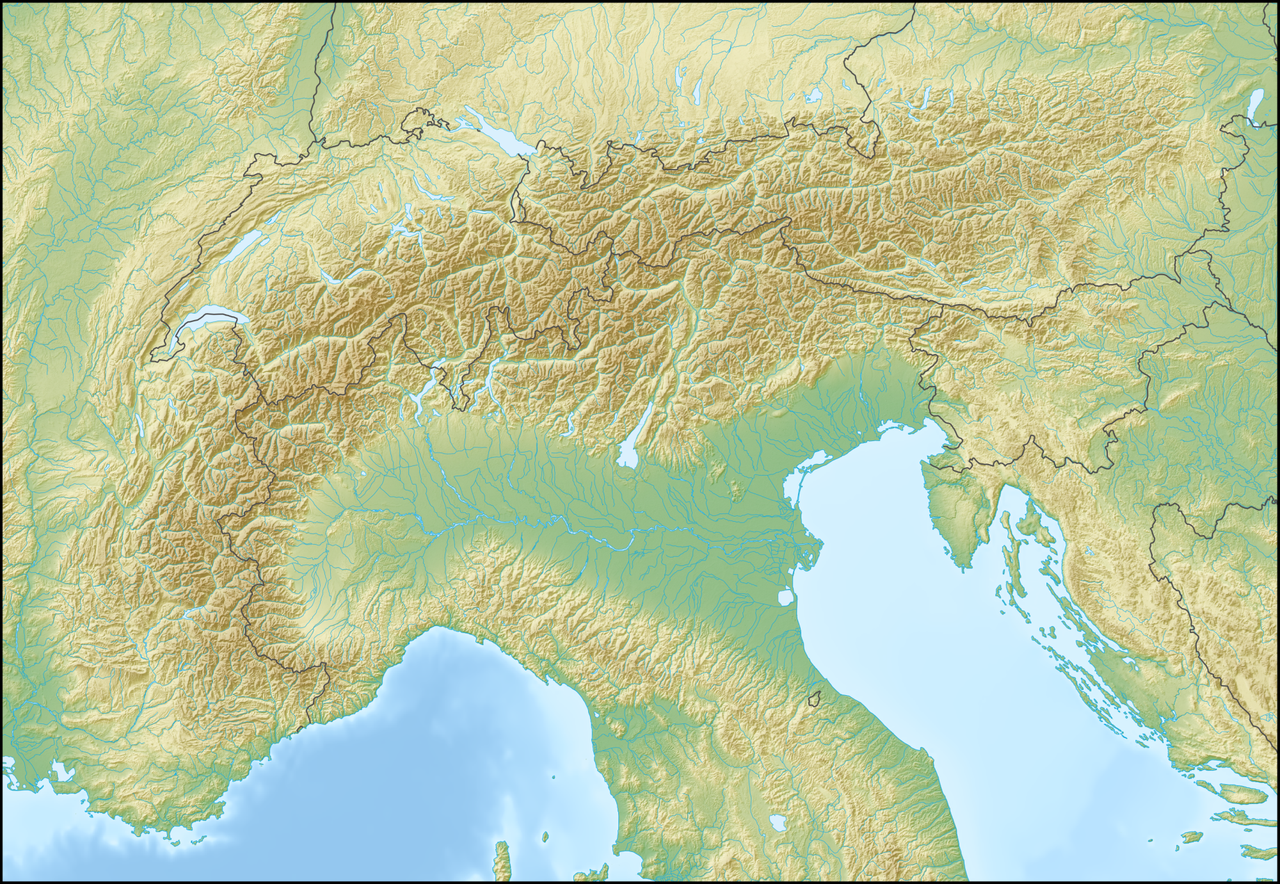
Saint-Étienne-de-Tinée is a mountain commune in the Provence-Alpes-Côte d'Azur region of southern France. It occupies a section of the Tinée valley in the southern Alps and belongs to the Alpes-Maritimes administrative department. The village combines an alpine setting with traditional Provençal influences and serves as a local center for both summer and winter mountain activities.
Image gallery
5 Images


Geography and character
The landscape is sharply mountainous: steep slopes, conifer forests and high pastures shape the commune's character. The Tinée river runs through the valley floor, and several hamlets and dispersed farmsteads sit above the gorge. Architecture is typically alpine — stone houses, narrow lanes and a central parish church — reflecting centuries of mountain life and seasonal pastoralism.
History and development
Saint-Étienne-de-Tinée has medieval roots and developed around local agriculture, transhumance and mountain routes. Over time the local economy diversified: pastoral farming remained important, while alpine tourism grew during the 20th century. Today the commune balances conservation of cultural heritage with services for visitors.
Economy, tourism and activities
Tourism is a major activity. Part of the territory is associated with the Auron ski domain, making winter sports a key attraction, while summer draws hikers, climbers and nature watchers. Proximity to protected areas enhances biodiversity and outdoor opportunities. Practical visitor information can be found on the municipal site or via the local tourism office.
Notable features and visitor tips
- Winter sports and ski lifts linked with the nearby resort network.
- Marked hiking trails, alpine flora and fauna, and access to high passes.
- Traditional markets, seasonal festivals and local artisanal products.
- Mountain roads connect the commune to larger towns; travel can be affected by weather in winter.
Saint-Étienne-de-Tinée represents a classic southern Alpine commune where natural scenery, outdoor recreation and regional culture meet, offering both quiet village life and active tourism opportunities.
Related articles
Author
AlegsaOnline.com Saint-Étienne-de-Tinée Leandro Alegsa
URL: https://en.alegsaonline.com/art/85560