
Saint-Estèphe (commune and wine-producing appellation in Gironde, France)
Saint-Estèphe is a commune in Gironde and a respected Bordeaux appellation on the Médoc, noted for clay-influenced soils and robust, ageworthy red blends produced from classic Bordeaux grape varieties.
Overview
Saint-Estèphe is both a small commune and a named wine-producing appellation on the left bank of the Gironde estuary, within the Gironde department. Administratively it lies in the region commonly referred to today as Nouvelle-Aquitaine, while historically the area is associated with Aquitaine. The locality combines a village centre, river frontage and extensive vineyards that define much of its landscape and economy.
Image gallery
1 Image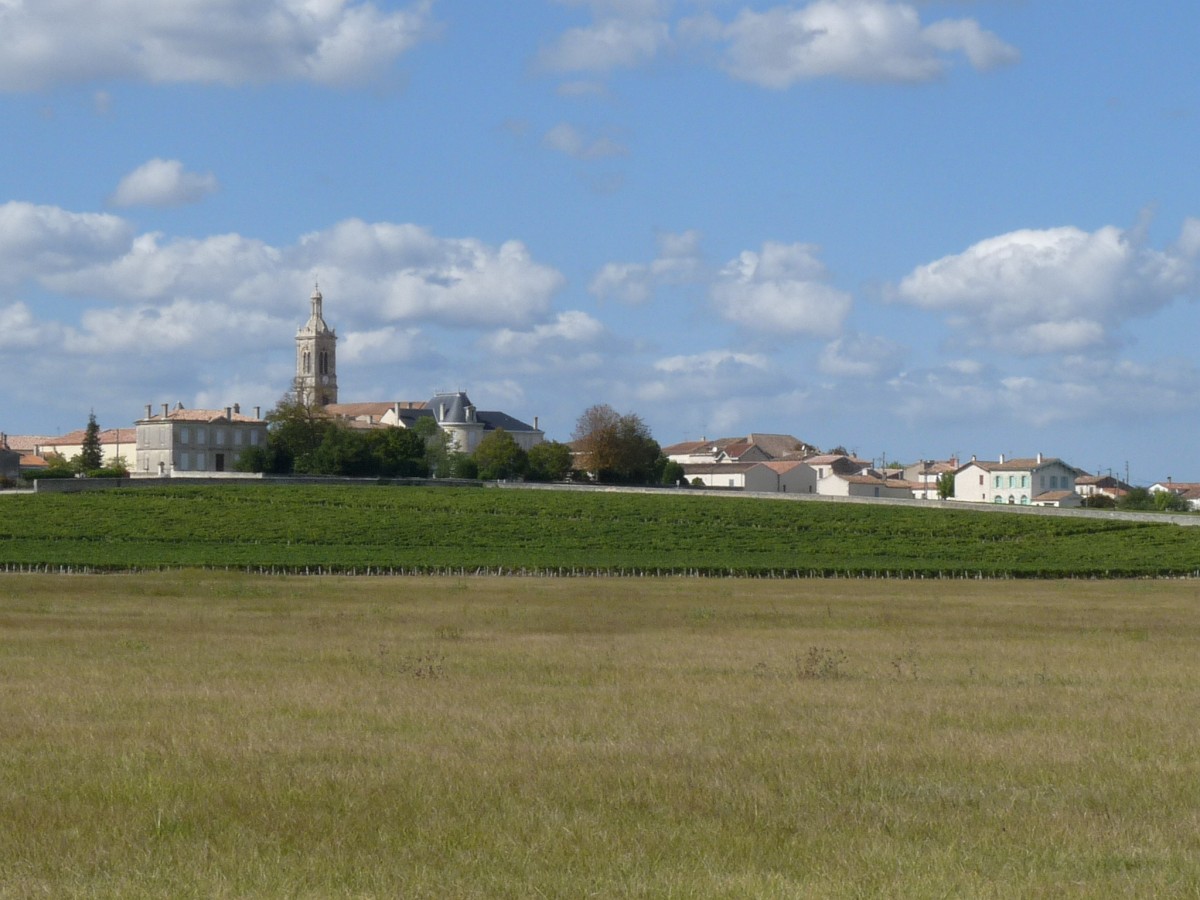
Geography and climate
Saint-Estèphe occupies the northern part of the Médoc peninsula, where vineyards benefit from a maritime climate influenced by the Atlantic Ocean and the Gironde estuary. Winters are generally mild and summers tempered by sea breezes; these conditions, together with local humidity, affect ripening patterns and viticultural practices.
Soils and vineyards
The appellation is known for a mixture of soils: significant clay deposits are found alongside gravelly terraces and pockets of limestone. The heavier clay parcels can retain moisture and often yield wines with greater extract and firmness, while well-drained gravel soils promote ripeness and aromatic lift. Vineyard parcels are tended in a mosaic, and site selection plays a strong role in the ultimate style of each estate.
Grape varieties and wine character
Saint-Estèphe wines are primarily red blends using classic Bordeaux varieties. Common plantings include:
- Cabernet Sauvignon — provides structure and tannin
- Merlot — adds flesh and approachability
- Cabernet Franc and occasionally Petit Verdot — used for aromatics, complexity and colour
Wines from the commune are often described as robust, tannic and long-lived; many estates aim for wines that can benefit from extended bottle ageing. Winemaking approaches vary, with some producers emphasising early accessibility and others pursuing a more concentrated, cellar-worthy style using oak ageing and careful blending.
History and notable estates
The name Saint-Estèphe has long been linked with Médoc viticulture, and the appellation was recognised formally as part of the broader Bordeaux controls in the early twentieth century. Several well-known châteaux operate within the appellation and illustrate its range of terroirs and styles. Examples of established estates include Château Cos d'Estournel, Château Montrose and Château Calon-Ségur, which are frequent stops on wine tourism itineraries and feature in international markets.
Economy, tourism and practical information
Viticulture and wine-related activities dominate the local economy: grape growing, cellar work, cooperage and hospitality provide employment and attract visitors. Wine tourism—tours, tastings and gastronomic visits—has developed alongside traditional trade. For practical visitor information and administrative services consult local resources such as municipal and visitor services and broader regional guides to southwest France. Additional official and specialist sources offer details on appellation rules, visiting hours and seasonal events.
Related articles
Author
AlegsaOnline.com Saint-Estèphe (commune and wine-producing appellation in Gironde, France) Leandro Alegsa
URL: https://en.alegsaonline.com/art/85550