
Saint-Amand, Pas-de-Calais — commune in northern France
Saint-Amand is a small commune in the Pas-de-Calais department in northern France, historically part of Nord-Pas-de-Calais. The article covers location, administration, history, and local life.
Overview
Saint-Amand is a commune in the Pas-de-Calais department of northern France. It lies within the territory that until 2016 was known as the Nord-Pas-de-Calais (former region) and today is administered as part of Hauts-de-France. Like many French communes, it functions as the smallest unit of local government and typically combines residential areas, agricultural land and village services.
Image gallery
2 Images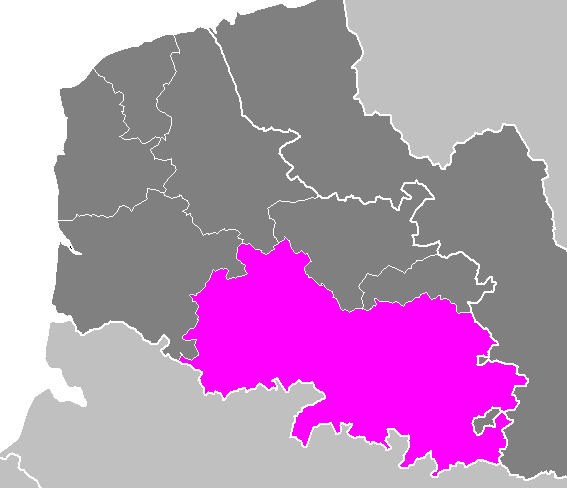

Geography and administration
The village sits in the rural landscape of the Pas-de-Calais department. Its setting is characteristic of the region: open fields, small woodlands and lanes linking neighbouring hamlets. Local administration is carried out by a mayor and municipal council under the framework of local administration in France, which handles civil registration, local planning and basic community services.
History and name
The place name recalls Saint Amand, a medieval missionary and monk widely commemorated across northern Europe; many settlements adopted his name in the centuries following Christianisation. Like other villages in the area, Saint-Amand's development reflects agricultural patterns, historic parish life and the administrative reforms of the French Revolution that established the modern commune system.
Local life and economy
The economy is typically based on agriculture, small businesses and services that support nearby towns. Village life often revolves around the town hall, a parish church, a war memorial and communal events. Residents commonly rely on regional roads and public transport links to access larger urban centres in northern France for education, healthcare and commerce.
Notable features and practical information
- Typical landmarks: municipal buildings, a parish church, and local monuments honoring historical events.
- Governance: mayoral leadership and a municipal council manage day-to-day affairs.
- Activities: seasonal festivals, agricultural markets and community associations are common.
For more detailed, place-specific information and official notices consult municipal records or regional publications. Smaller communes like Saint-Amand illustrate the administrative, cultural and rural diversity of the French countryside.
Related articles
Author
AlegsaOnline.com Saint-Amand, Pas-de-Calais — commune in northern France Leandro Alegsa
URL: https://en.alegsaonline.com/art/85340