
Saginaw, Michigan: overview, history, and regional profile
Saginaw is a Mid‑Michigan city on the Saginaw River. This article summarizes its geography, climate, lumber and manufacturing past, cultural institutions, and role in the Tri‑Cities region.
Overview
Saginaw is a city in the central part of the Lower Peninsula of Michigan, located along the Saginaw River near where it opens toward Saginaw Bay and Lake Huron. Historically a regional center of commerce and manufacturing, Saginaw remains an important node within a broader Tri‑Cities area that includes neighboring Bay City and Midland.
Image gallery
10 Images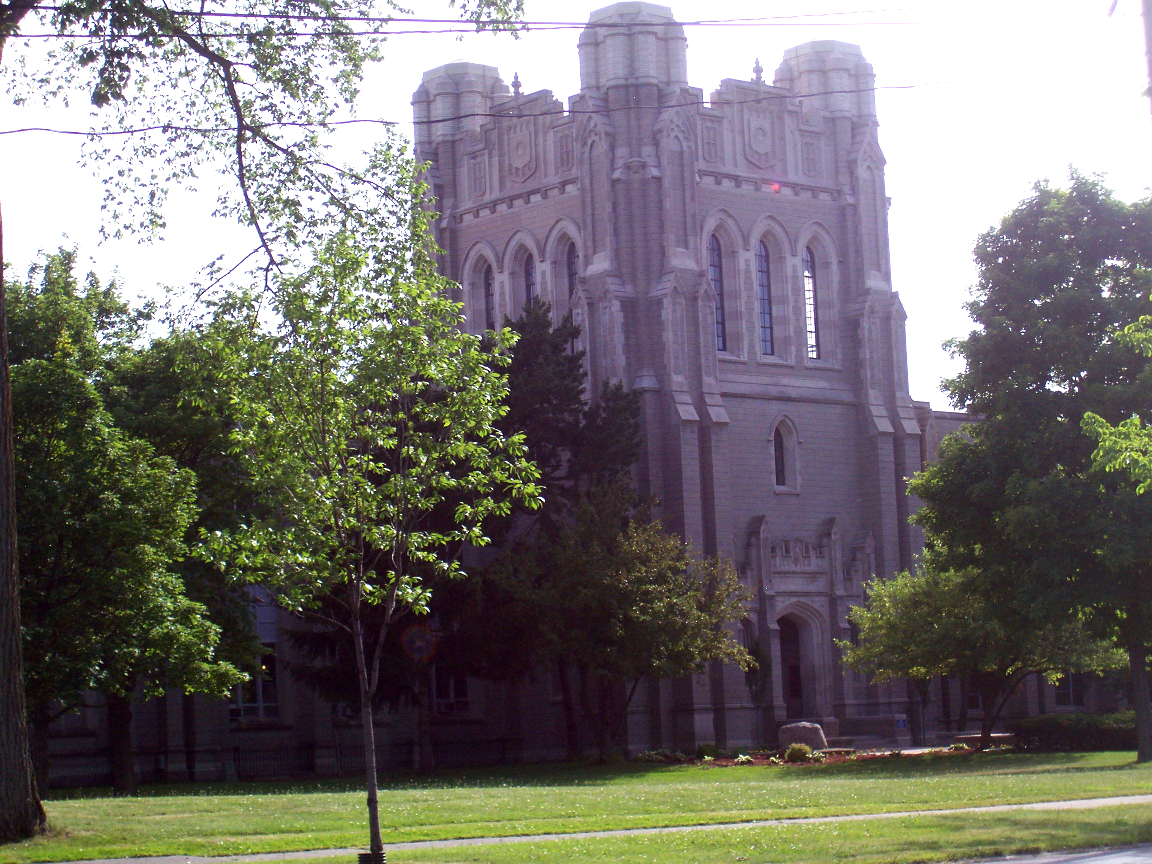


Geography and climate
The city sits on the Saginaw River valley and has both riverfront and urban neighborhoods. It experiences a humid continental climate with cold, snowy winters and warm, humid summers; seasonal lake‑effect influences from the Great Lakes can increase snowfall and moderate extremes at times. The nearby presence of Saginaw Bay shapes local recreation and ecology.
History and development
Before European settlement the Saginaw area was home to indigenous peoples of the Great Lakes region. In the 19th century the city grew rapidly as a center of the lumber trade and river transport. Later, during the 20th century, manufacturing — including parts suppliers and automotive-related industry common in Mid‑Michigan — became a major employer. Like many industrial cities in the region, Saginaw experienced economic shifts and population changes in the late 20th and early 21st centuries.
Economy, culture, and institutions
Today Saginaw's economy includes a mix of manufacturing, healthcare, education, retail, and services. Cultural institutions, community theaters, museums and riverfront parks contribute to civic life, while regional higher education and medical centers serve a wider county population. The city's riverfront and historic districts are focal points for redevelopment and public events.
Regional role and notable facts
- Saginaw forms part of a Mid‑Michigan cluster often called the Tri‑Cities, closely linked with Bay City and Midland for commerce and commuting.
- The Saginaw River connects the city to Saginaw Bay and the Great Lakes, influencing local industry and recreation.
- Winters are characteristically cold for the region; for detailed climate data see a local climate profile: climate information.
Visitors and researchers often explore Saginaw as an example of a Great Lakes river city with a layered economic history: indigenous heritage, a 19th‑century resource boom, 20th‑century manufacturing, and ongoing community revitalization efforts in the 21st century.
Related articles
Author
AlegsaOnline.com Saginaw, Michigan: overview, history, and regional profile Leandro Alegsa
URL: https://en.alegsaonline.com/art/85248