
Saicourt — municipality in Jura bernois, canton of Bern, Switzerland
Saicourt is a French‑speaking rural municipality in the Jura bernois district of the canton of Bern, known for the historic Bellelay monastery site and connections to Tête de Moine cheese.
Saicourt is a small rural municipality in the French‑speaking part of the Bernese Jura. Located in the administrative district of Jura bernois, it forms part of the canton of Bern in Switzerland. The locality combines scattered villages and agricultural land with woodland and rolling Jura foothills. Local governance follows the Swiss municipal model and everyday life reflects a mixed economy of farming, forestry and small businesses.
Image gallery
8 Images




Geography and administration
Saicourt lies within a hilly, rural landscape typical of the Jura region. Its territory includes meadows, pastures and forested slopes that support dairy farming and outdoor recreation. The municipality is administered by a communal council and cooperates with neighbouring communes on services and infrastructure as is common in Swiss local government.
History and heritage
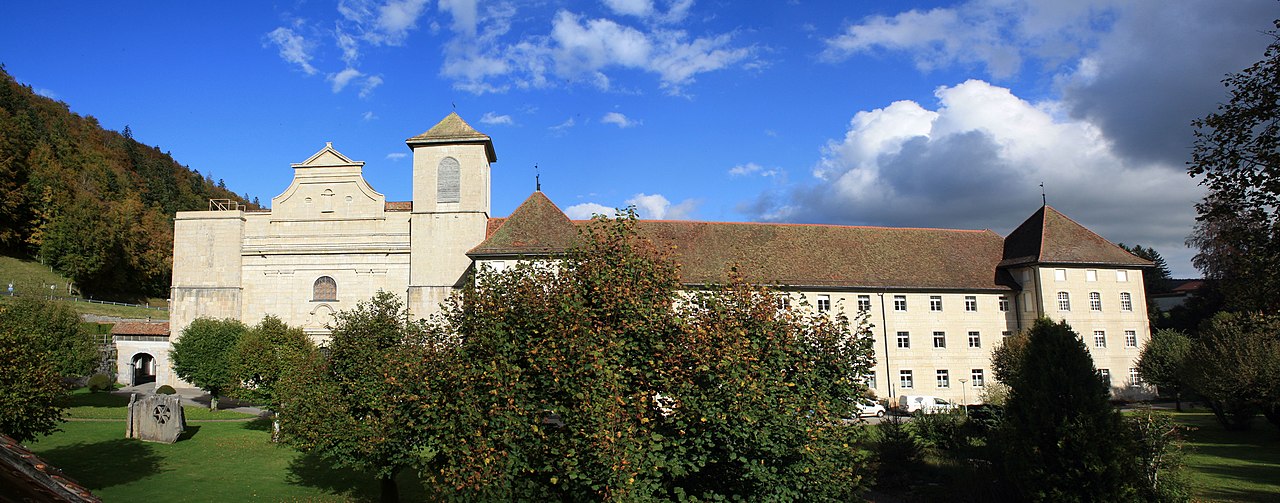
The area is best known for the site of a former monastic foundation near Saicourt. The abbey complex, now a historic site, played a role in local religious and economic life for centuries and helped shape agricultural practices in the region. Its long history is visible in surviving buildings, ruins and cultural traditions that attract visitors interested in regional heritage.
Economy, culture and tourism
Traditional activities such as dairy farming and cheese-making remain important. The locality is associated with the production and heritage of Tête de Moine, a distinctive Swiss cheese that is often linked to monastic cheesemaking in the area. Walkers and nature lovers use local paths to explore the Jura scenery, and small‑scale tourism supports inns, interpretation of the abbey site and seasonal events.
Points of interest
- Historic abbey complex and related heritage displays
- Pastoral landscapes and marked hiking routes
- Local cheese‑making traditions and farm visits
- Quiet rural architecture and community life
As a municipality within the bilingual canton of Bern, Saicourt illustrates the cultural diversity of the Swiss Jura: a place where rural traditions, natural scenery and historical layers combine to form a distinctive local identity.
Related articles
Author
AlegsaOnline.com Saicourt — municipality in Jura bernois, canton of Bern, Switzerland Leandro Alegsa
URL: https://en.alegsaonline.com/art/85285
Sources
- bfs.admin.ch : "Arealstatistik Standard - Gemeinden nach 4 Hauptbereichen"
- bfs.admin.ch : "Ständige Wohnbevölkerung nach Staatsangehörigkeitskategorie Geschlecht und Gemeinde; Provisorische Jahresergebnisse; 2018"