
Sag Harbor, New York: history, geography, and cultural significance
Sag Harbor is an incorporated village on eastern Long Island in Suffolk County, New York, known for its deep natural harbor, 19th‑century whaling history, arts scene, and preserved downtown.
Sag Harbor is an incorporated village located on eastern Long Island within Suffolk County and the state of New York. Nestled on a natural deepwater harbor between the North and South Forks, the village has a small year‑round population (2,169 at the 2010 census) that grows considerably in the summer months as part of the broader resort area often called the Hamptons.
Image gallery
10 Images
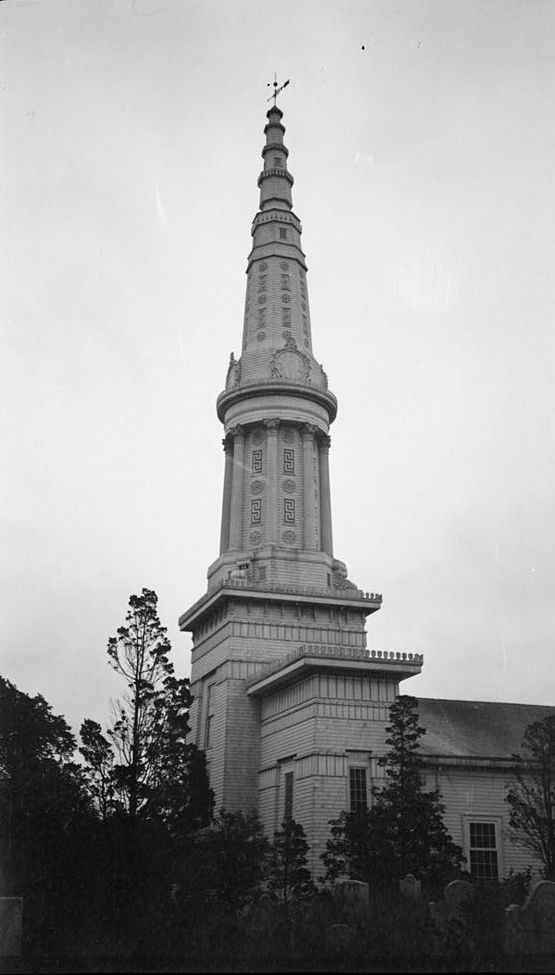


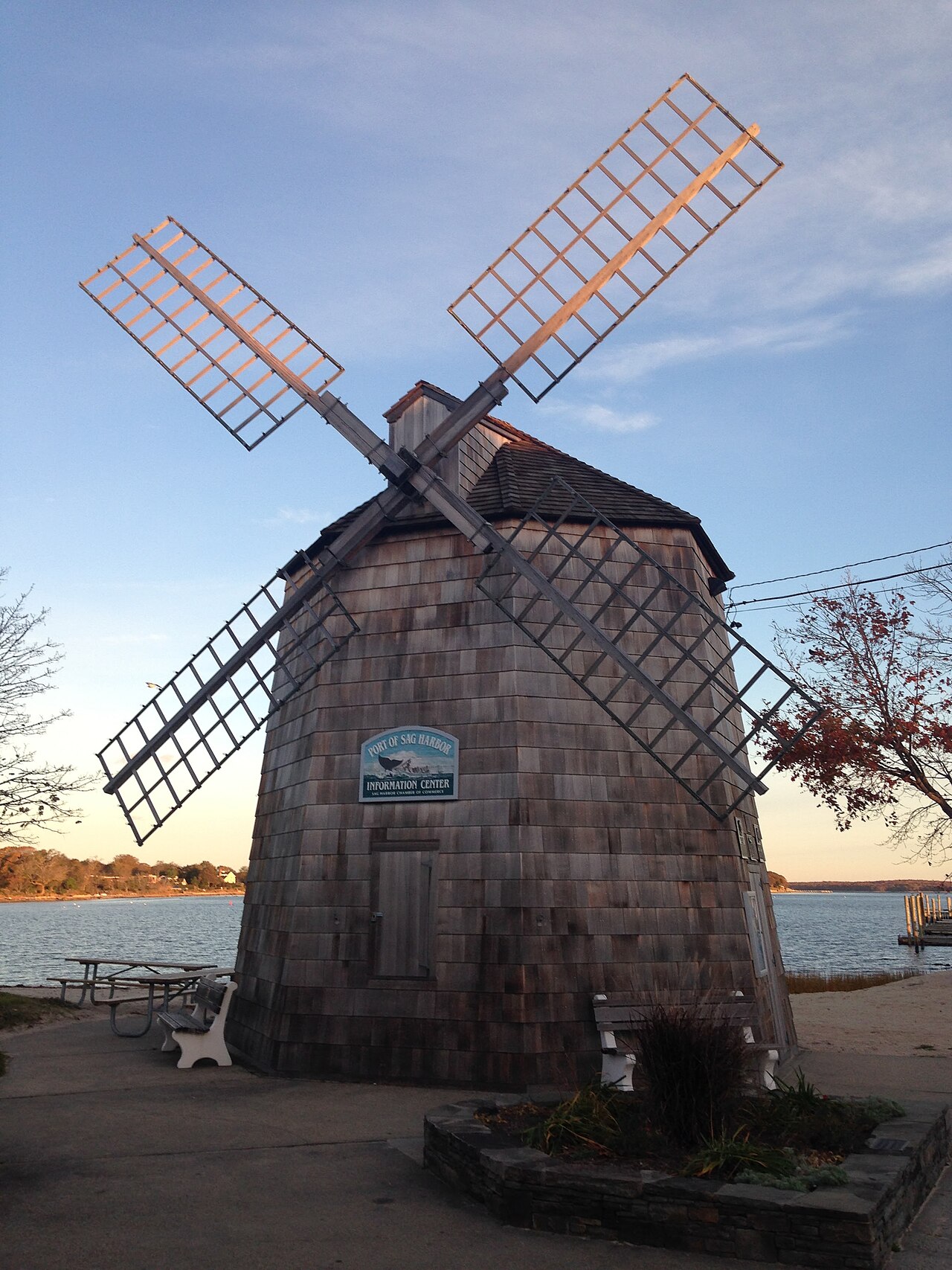


Geography and settlement
The village sits at the head of a sheltered bay and historically benefited from its navigable waters. Sag Harbor is partly within the town limits of Southampton and extends toward neighboring communities. Its compact downtown and waterfront give it a distinctive maritime character, with marinas, docks, and boating services playing a continuing role in local life.
History
Before European settlement the region was used by indigenous peoples of the eastern Long Island tribes. In the 18th and 19th centuries Sag Harbor prospered as a whaling port and commercial center; its access to deep water allowed large sailing ships to load and unload close to town. Over time the whaling industry declined and the economy diversified, with tourism, fishing, and cultural activities replacing maritime commerce as dominant forces.
Culture, economy, and attractions
Today Sag Harbor combines historic preservation with a lively arts scene and seasonal tourism. Visitors and residents find galleries, small museums, performing arts venues, independent shops, and restaurants along a well‑preserved Main Street. Maritime activities — sailing, boat tours, fishing — remain important recreational draws.
Notable sites and distinctions
- Sag Harbor Whaling and Historical Museum and other local history institutions
- Community theaters and cultural organizations that present year‑round programming
- Historic architecture lining Main Street and preserved waterfront structures
- A seasonal economy that blends local year‑round life with summertime visitors
While small in population, Sag Harbor's blend of maritime history, preserved 19th‑century buildings, and active cultural institutions makes it a distinctive village on Long Island's East End. For visitors it offers a compact mix of history, arts, and waterfront recreation within easy reach of broader regional attractions.
Related articles
Author
AlegsaOnline.com Sag Harbor, New York: history, geography, and cultural significance Leandro Alegsa
URL: https://en.alegsaonline.com/art/85232
Sources
- southamptontownny.gov : "Suffolk County Tax Map Range"
- factfinder2.census.gov : "Geographic Identifiers: 2010 Demographic Profile Data (G001): Sag Harbor village, New York"