
Ryu Gwan-sun: Korean Student Activist and Martyr of the 1919 Independence Movement
Ryu Gwan-sun, a young Korean student activist who led local protests in the 1919 March 1st movement, was arrested and died in custody in 1920; she is remembered as a national heroine of Korea’s independence struggle.
Ryu Gwan-sun (Hangul: 유관순, Hanja: 柳寬順) (November 17, 1902 – September 28, 1920) was a prominent young activist in Korea's struggle against colonial rule. She was a Christian and is remembered as one of the most celebrated Korean figures who resisted the Japanese occupation of Korea.
Image gallery
4 Images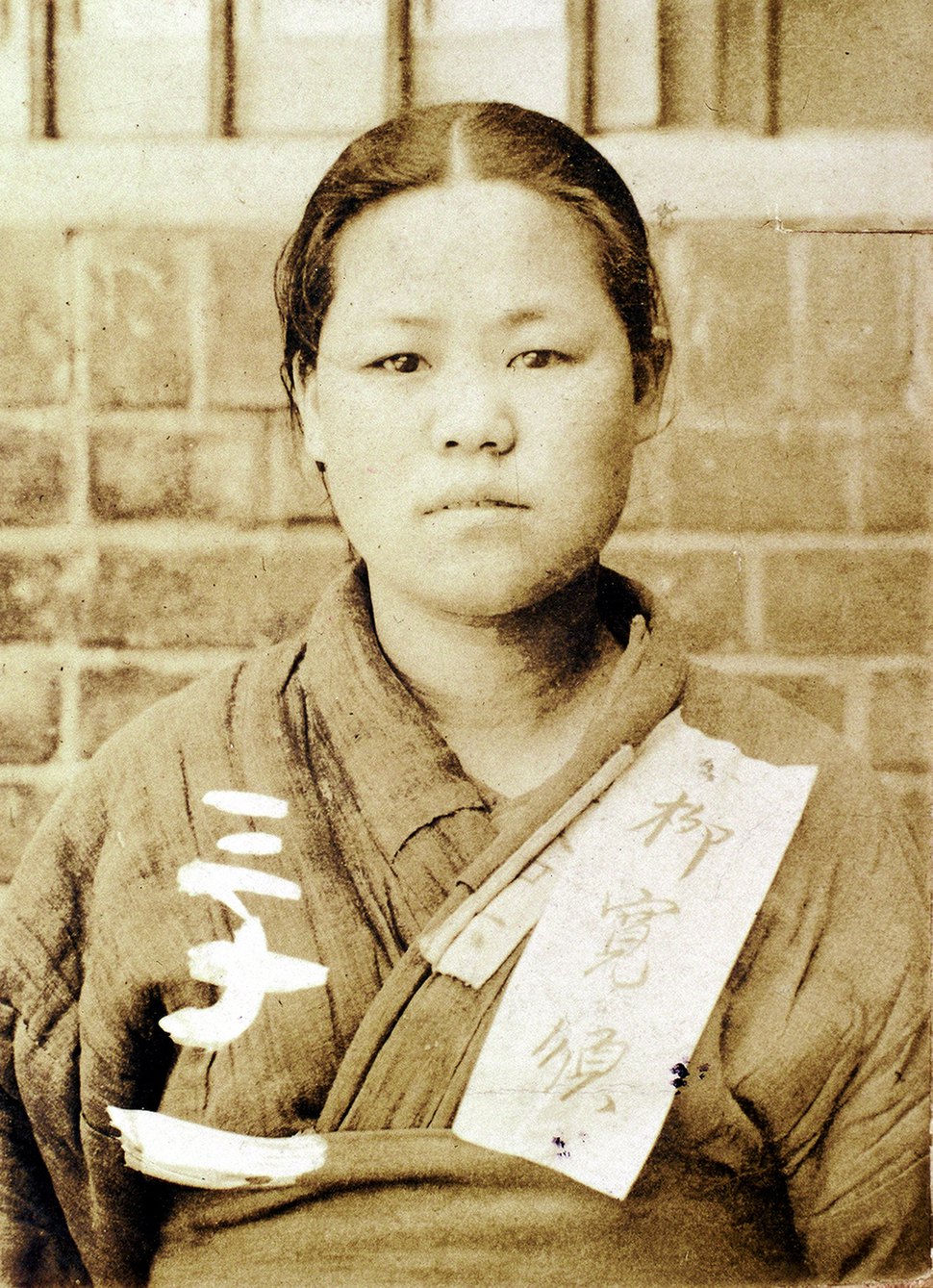


Early life and education
Born in 1902, Ryu attended school at Ewha, one of the few institutions then educating girls in Korea. Her religious faith and schooling influenced her sense of civic duty and exposed her to ideas about national self-determination. As a student she became involved in discussions and activities connected with the growing independence movement.
Role in the independence movement
When the nationwide demonstrations of March 1919 began, Ryu returned to her home region and helped organize local protests. She is widely credited with leading peaceful rallies that called for Korean independence and with encouraging participation by women and students. These demonstrations were part of the larger, nonviolent protest movement that sought to assert Korea's right to self-rule.
Arrest, imprisonment, and death
Authorities arrested Ryu after the demonstrations were suppressed. She was detained and held in a colonial prison, where reports indicate she endured harsh treatment. Ryu died on September 28, 1920, while still in custody; she was only 17 years old. Her death made her a martyr in the eyes of many Koreans and intensified public memory of the independence movement.
Legacy
Ryu Gwan-sun is commemorated in South Korea as a national heroine. Monuments, memorials, and school names honor her contribution, and her story is taught in school history as an example of youth-led resistance during the period of Japanese rule. The March 1st movement in which she took part remains an important anniversary in Korea, observed as a day remembering the broader struggle for independence.
Related articles
Author
AlegsaOnline.com Ryu Gwan-sun: Korean Student Activist and Martyr of the 1919 Independence Movement Leandro Alegsa
URL: https://en.alegsaonline.com/art/84985
Sources
- krdic.daum.net : "유관순 - Daum 국어사전"
- yugwansun.com : "유관순 열사의 어린시절과 학창시절"
- bookrags.com : "Yu Kwan Sun Summary | BookRags.com"
- yugwansun.com : "유관순 열사의 3-1 만세 운동"
- yugwansun.com : "아우내 만세 운동과 유관순"