
Rusty Schweickart
American aeronautical engineer and former NASA astronaut; Lunar Module pilot on Apollo 9 (1969), later a researcher, business and government executive and advocate for planetary defense.

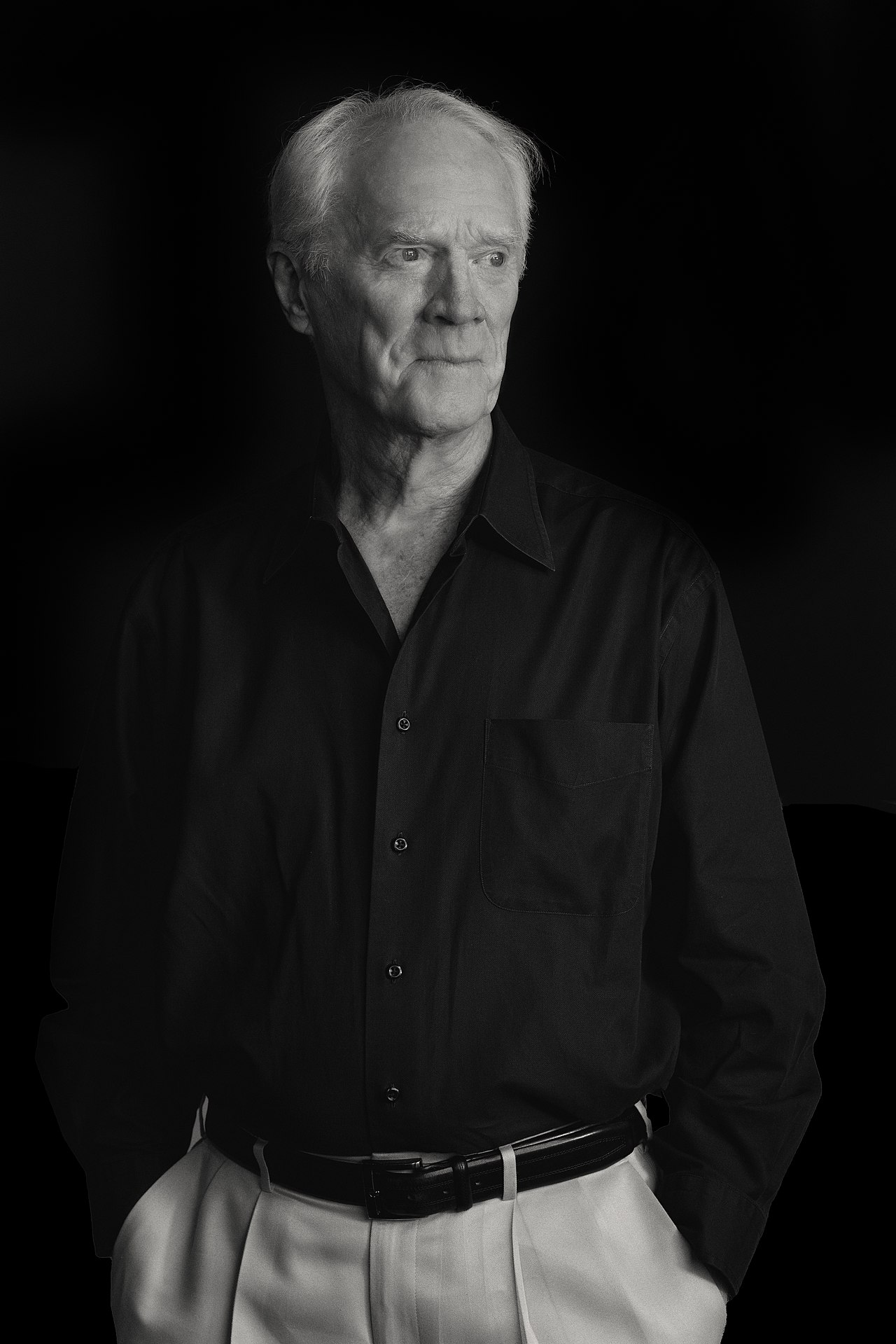
Russell Louis "Rusty" Schweickart (born October 25, 1935) is an American aeronautical engineer and a former NASA astronaut. He is widely known for serving as the Lunar Module pilot on the Apollo 9 mission, the first crewed flight test of the Lunar Module and a critical rehearsal for later lunar landings.
Image gallery
6 Images



Early life and training
Schweickart was born in Neptune, New Jersey, and pursued engineering studies at the Massachusetts Institute of Technology. Before joining the astronaut corps he served as a U.S. Air Force fighter pilot, gaining operational flying experience that complemented his technical background.
Apollo 9 and spacecraft testing
Apollo 9, flown in 1969, had the primary goal of testing the Lunar Module in Earth orbit and proving rendezvous, docking and life-support procedures needed for a lunar landing. As Lunar Module pilot, Schweickart participated in hands-on checks of propulsion and environmental systems, and took part in extravehicular activity to evaluate portable life-support equipment and crew procedures. The mission established confidence in hardware and techniques later used at the Moon.
Later career and advocacy
After his flight career Schweickart worked as a research scientist and held positions in both business and government, applying his technical experience to aerospace projects and program management. He became an outspoken advocate for planetary defense and the study of near-Earth objects, advising researchers and policymakers on detection and mitigation strategies and promoting public awareness of space safety.
Legacy and notable facts
Schweickart's contributions bridged practical flight testing and longer-term policy engagement. The work carried out on Apollo 9 directly influenced the design and operation of lunar missions that followed, and his later outreach helped shape discussions about planetary hazard preparedness and the responsibilities of the scientific community and governments.
- Full name: Russell Louis "Rusty" Schweickart
- Born: October 25, 1935
- Education: MIT
- Military service: U.S. Air Force fighter pilot
- Primary mission: Apollo 9 (Lunar Module pilot)
- Roles after NASA: research scientist, business and government executive, planetary defense advocate
- Associated organizations: NASA, astronaut community (astronaut)
Related articles
Author
AlegsaOnline.com Rusty Schweickart Leandro Alegsa
URL: https://en.alegsaonline.com/art/84878
Sources
- jsc.nasa.gov : "Biographical Data for Russell L. (Rusty) Schweickart"