
Rutger Gunnarsson — Swedish bassist, arranger and record producer
Rutger Gunnarsson (1946–2015) was a Swedish bass player, arranger and producer best known as ABBA's primary session bassist and musical director, and for collaborations with many international artists.
Rutger Gunnarsson (12 February 1946 – 8 May 2015) was a Swedish musician renowned for his work as a bass guitarist, arranger and record producer. He is most widely remembered for his long association with ABBA, where he served as a trusted session bassist and often acted as a Kapellmeister or musical director for tours and studio projects. Gunnarsson combined solid rhythmic foundation with melodic bass lines and occasional string arrangements, contributing to the texture of many pop recordings from the 1970s onward.
Image gallery
1 Image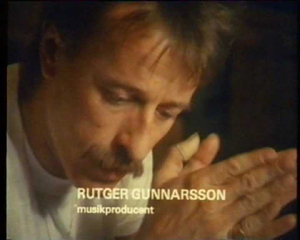
Early life and beginnings
Gunnarsson was born in Linköping Municipality, in Östergötland County, Sweden. He came up through the Swedish pop and jazz scenes, establishing a reputation as a reliable session player. His ability to read charts, adapt to different styles and produce tasteful parts made him a first call for producers and artists working in Stockholm's studios.
Work with ABBA and musical role
From the early 1970s, Gunnarsson played on the majority of ABBA's recordings and joined their touring bands. In the studio he provided bass lines that were both supportive and melodic, helping bridge rhythm and harmony. As a musical director on stage, he coordinated arrangements and led other musicians, shaping live renditions of the group's repertoire. His contributions were part of the polished, layered sound that characterized ABBA's records.
Collaborations, arranging and production
Beyond ABBA, Gunnarsson worked with a wide range of artists across pop and contemporary genres. He is credited on projects with international performers and Scandinavian acts alike, sometimes as bassist, sometimes as arranger or producer. Selected collaborators include Westlife, Elton John, Gwen Stefani and Alla Pugacheva. He also worked with Celine Dion, Adam Ant, Bobbysocks, Elin Lanto and the Swedish pop group Joyride, among others. His roles varied from laying down bass parts to arranging strings or supervising recording sessions.
Style, reputation and legacy
Gunnarsson was known for a warm, clear electric bass tone, rhythmic clarity and an ear for melodic counterpoint. Fellow musicians and producers valued his professionalism and musicality, qualities that allowed him to work across languages and markets. He left behind a substantial body of recorded work that continues to be heard through the many albums and live recordings he helped create.
Rutger Gunnarsson died in Stockholm on 8 May 2015 at the age of 69. His career remains a reference point for session bassists and arrangers in popular music, particularly in connection with Sweden's influential recording scene.
Related articles
Author
AlegsaOnline.com Rutger Gunnarsson — Swedish bassist, arranger and record producer Leandro Alegsa
URL: https://en.alegsaonline.com/art/84887
Sources
- thelocal.se : "ABBA bass player Rutger Gunnarsson dies"