
Rubén Darío (Félix Rubén García Sarmiento)
Nicaraguan poet, journalist and diplomat who led the Spanish‑language Modernismo movement; innovator in rhythm, imagery and form whose works reshaped Latin American poetry.
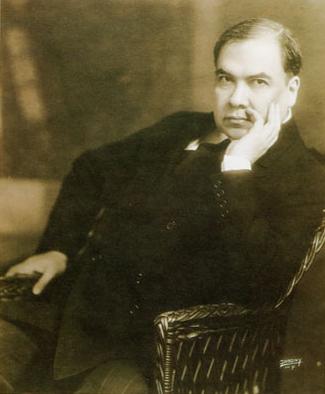
Félix Rubén García Sarmiento (January 18, 1867 – February 6, 1916), known by his pen name Rubén Darío, was a Nicaraguan journalist, diplomat and poet widely regarded as the leading figure of Spanish‑language Modernismo. His writing transformed the poetic language of Spanish America at the turn of the 20th century, introducing new rhythms, fresh imagery and cosmopolitan themes.
Image gallery
9 Images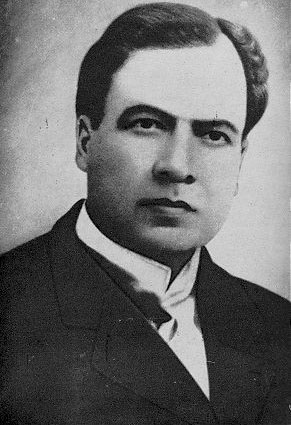





Life and career
Born in Nicaragua, Darío published early verse and worked as an editor and reporter while traveling through Latin America and Europe. He held diplomatic posts for his country and maintained close ties with literary circles in Spain, Argentina and Chile. His mobility and multilingual reading informed a worldly voice that blended local concerns with international aesthetic currents.
Literary style and themes
Darío is known for expanding metrical possibilities in Spanish poetry, varying line length and stanza forms and borrowing rhythmic effects from French Parnassian and Symbolist practice. His language favors musicality, sensual and exotic imagery, irony and a reflective melancholy. Frequent themes include beauty, love, cultural renewal and the tensions between tradition and modern life.
Major works
- Azul... (1888) — an early collection that announced his aesthetic innovations and won wide attention.
- Prosas profanas y otros poemas (1896) — notable for its sumptuous imagery and formal experimentation.
- Cantos de vida y esperanza (1905) — a later volume that combines personal reflection with broader cultural and political concerns.
Legacy and influence
Often called the "father of Modernismo," Darío shaped subsequent generations of poets throughout the Spanish‑speaking world by demonstrating new possibilities of form and tone. His work is studied for its formal daring, its synthesis of European and American influences, and its role in forging a modern literary identity in Latin America. Numerous institutions, anthologies and critical studies continue to examine his central position in Hispanic letters.
Related articles
Author
AlegsaOnline.com Rubén Darío (Félix Rubén García Sarmiento) Leandro Alegsa
URL: https://en.alegsaonline.com/art/84561
Sources
- worldcat.org : OCLC 54179225
- worldcat.org : OCLC 304168
- revistas.colmex.mx : "Los posibles caminos de Nietzsche en el modernismo"