
Roy Hargrove — American Jazz Trumpeter and Bandleader
Roy Hargrove (1969–2018) was an American jazz trumpeter and bandleader, noted for his warm tone, hard bop roots and genre-crossing work with The RH Factor; two-time Grammy winner and influential collaborator.
Overview
Roy Hargrove (October 16, 1969 – November 2, 2018) was an American trumpet player celebrated for his lyrical playing, rhythmic drive and ability to bridge traditional jazz and more contemporary styles. Born in Waco, Texas, Hargrove became a prominent voice on the modern jazz scene while remaining rooted in the language of bebop and hard bop. He is widely recognized as a jazz musician who could also absorb and reflect soul, funk and hip-hop influences in his work, and is often mentioned in discussions of late 20th- and early 21st-century jazz.

Image gallery
4 Images


Musical style and ensembles
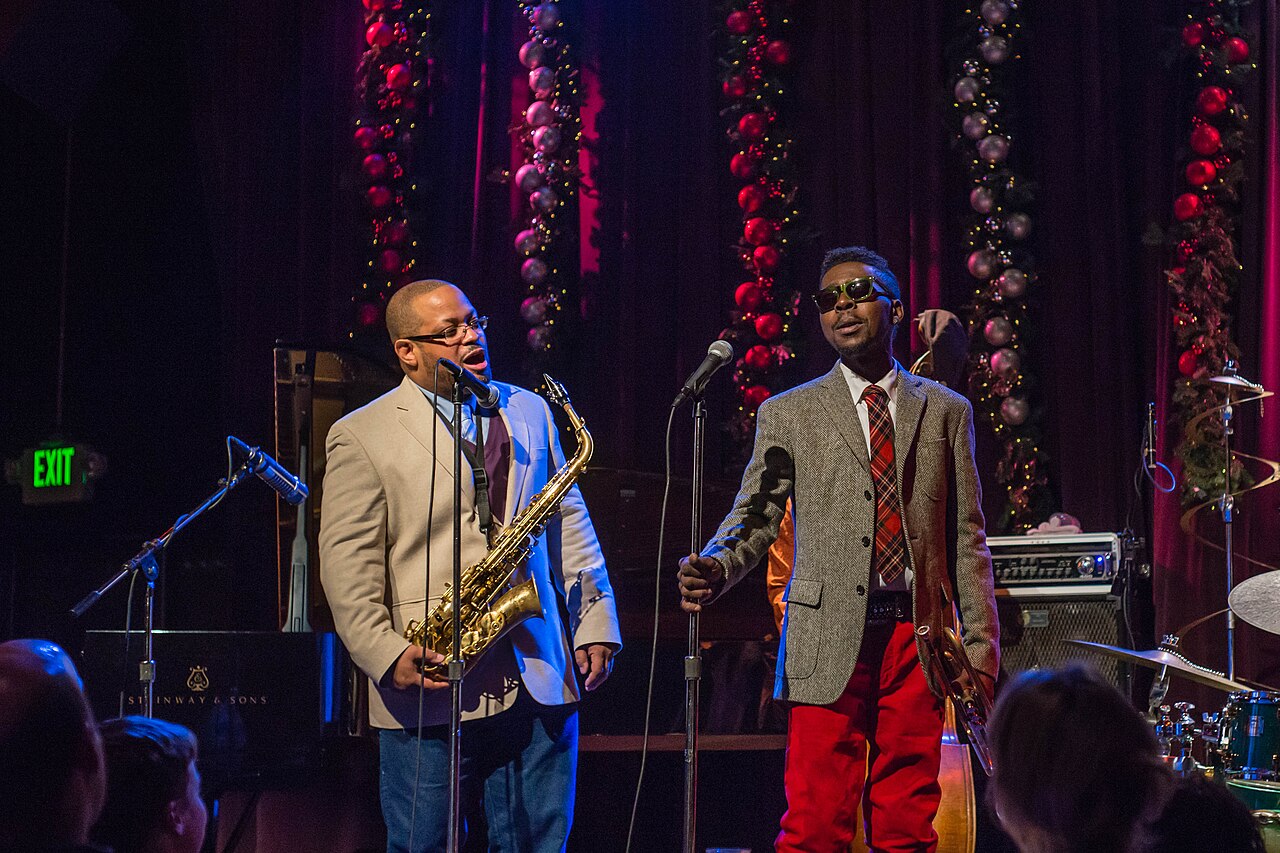
Hargrove began his professional life squarely within the jazz tradition, frequently associated with mainstream and post-bop approaches. Over time he led a variety of groups that showcased different aspects of his musical personality: small acoustic ensembles that emphasized improvised interplay, and the electric, groove-oriented collective known as The RH Factor. As a collaborator he worked with many leading artists — including Wynton Marsalis and Herbie Hancock — while also mentoring and featuring younger musicians in his own bands. The RH Factor blended jazz with R&B, hip-hop and funk and included notable members such as Chalmers "Spanky" Alford, Pino Palladino and Jonathan Batiste.
Career highlights and recordings
Hargrove's discography ranges from strictly acoustic dates to crossover projects. He received major industry recognition during his career, including Grammy Awards. He was honored for the Cuba-inspired album Habana and was part of the ensemble recognition associated with the live recording Directions in Music: Live at Massey Hall. Beyond awards, his albums and sideman appearances documented both a respect for jazz lineage and a willingness to experiment with contemporary grooves.
- With the Tenors of Our Time — a high-profile project that highlighted Hargrove's interplay with saxophone leaders.
- Habana — a Grammy-recognized recording that underscored his interest in Latin rhythms and broader international influences.
- The RH Factor / Hard Groove — work that fused jazz improvisation with soul and funk attitudes.
- Collaborations — frequent partner with established figures and a sought-after sideman in diverse settings.
Importance, recognitions and context
Hargrove is often cited as one of his generation's foremost trumpeters, distinguished by a warm, round trumpet tone and an improvisational approach that favored melody and soulful phrasing as much as technical facility. He won multiple Grammy Awards and broader acclaim, helping to keep acoustic jazz vital while also making stylistic bridges to attract listeners from R&B and hip-hop communities. Press and peers noted his ability to move comfortably between small group repertory and larger, groove-driven projects.
Legacy and final years
Roy Hargrove died in New York City on November 2, 2018, at the age of 49, from a heart attack. His passing prompted reflections on a career that combined reverence for jazz history with a restless curiosity about current popular musics. Musicians and educators remember him both for his recordings and for his role as a connector who brought different scenes and generations together. For further reading on the broader tradition he worked within, see general resources on jazz and awards listings such as the Grammy records; biographical and discographic entries and tributes to Hargrove appear in music histories and retrospective articles. For details on collaborators and associates, sources often reference artists like Herbie Hancock and Wynton Marsalis who influenced and intersected with his career.
Hargrove's recorded legacy continues to be a point of entry for listeners exploring late-20th-century jazz and its intersections with other Black American musical forms. He remains a frequently cited example of an artist who honored jazz tradition while expanding its audience and sonic possibilities.
Related articles
Author
AlegsaOnline.com Roy Hargrove — American Jazz Trumpeter and Bandleader Leandro Alegsa
URL: https://en.alegsaonline.com/art/84411