
Rottweil (historic town in Baden-Württemberg)
Rottweil is the oldest town in Baden‑Württemberg, Germany. Founded as a Roman settlement, it has a preserved medieval centre, an industrial and tourist economy, and gave its name to the Rottweiler dog.
Overview
Rottweil is a small historic town in southwestern Germany, long regarded as the oldest town in the state. It lies in a valley of the Neckar river system near the Black Forest and the Swabian Jura and has a population of roughly 25,000 people. The town functions today as a regional service centre, cultural hub and tourist destination while retaining visible layers of Roman and medieval urban fabric. For its municipal status and civic identity see oldest town and its position within the modern federal state via Baden-Württemberg.
Image gallery
10 Images
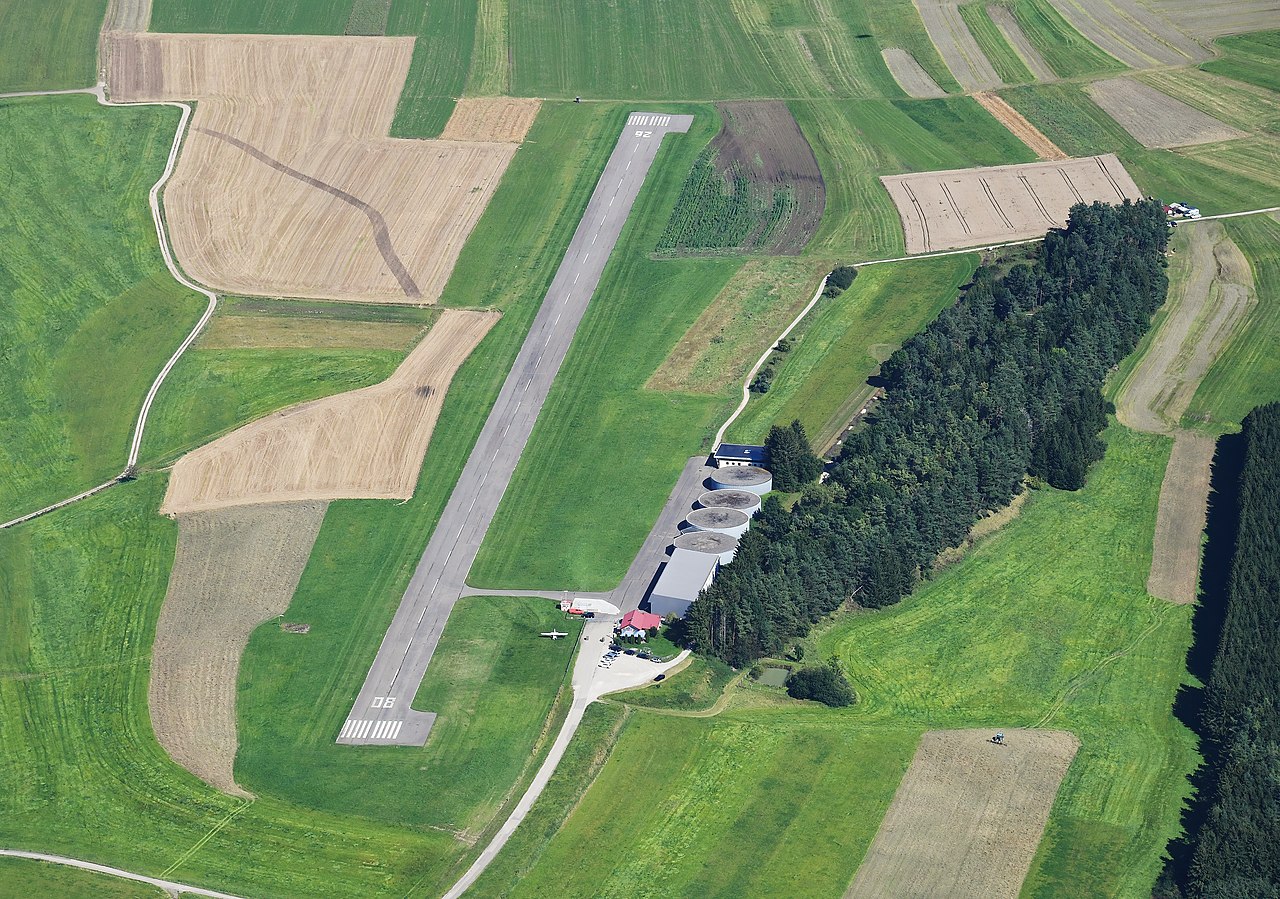


Geography and layout
Rottweil occupies a compact footprint on rolling terrain where river valleys open toward upland forests and limestone hills. The historic core is characterized by narrow streets and closely spaced buildings, surrounded in places by remnants of medieval walls and towers. Its location made it a crossroads of local trade routes between riverine and upland communities, which shaped both settlement patterns and economic life.
History and development
The town traces its roots to a Roman settlement known in antiquity and developed through the Middle Ages into a market and administrational centre. Over centuries Rottweil gained municipal rights, built stone churches and fortifications, and became notable for craft production and regional commerce. The historic centre preserves a sequence of architectural styles that narrate shifts from Roman to medieval and early modern urban life.
Landmarks, culture and image

Economy and contemporary significance
Today Rottweil’s economy blends small and medium industry, services, and tourism. In recent years the town gained attention for a modern industrial landmark: an elevator test tower constructed by a major engineering firm, completed in the late 2010s and notable for its height and technical purpose. The town’s demographic figures are regularly updated; for a specific figure from the mid-2010s see the population note at population estimate.
Notable facts and distinctions
- The well‑known Rottweiler dog breed takes its name from the town — a reminder of the place’s rural and trading past; more about the breed is available at Rottweiler dog breed.
- Rottweil’s layered history, from Roman foundation to medieval prosperity, makes it a case study in long‑term urban continuity in southwestern Germany.
- Modern engineering projects and cultural tourism coexist with preservation of the medieval urban fabric, illustrating how small historic towns adapt economically while maintaining identity.
Related articles
Author
AlegsaOnline.com Rottweil (historic town in Baden-Württemberg) Leandro Alegsa
URL: https://en.alegsaonline.com/art/84297
Sources
- destatis.de : "Alle politisch selbständigen Gemeinden mit ausgewählten Merkmalen am 31.12.2018 (4. Quartal)" · web.archive.org
- destatis.de : "Gemeinden in Deutschland nach Fläche, Bevölkerung und Postleitzahl am 30.09.2016"