
Ross County, Ohio: history, geography, and notable sites
Ross County is a county in Appalachian south-central Ohio with county seat Chillicothe. Known for early Ohio history, Hopewell earthworks, outdoor recreation and a mixed agricultural and service economy.
Overview
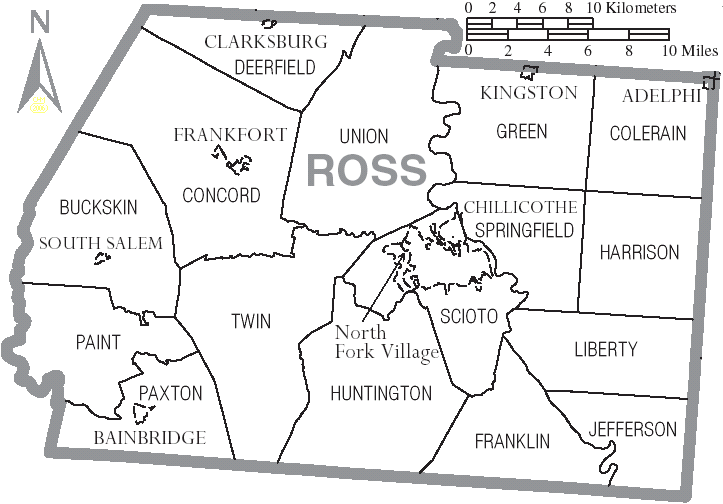
Ross County lies in the Appalachian region of south-central Ohio in the United States. It is centered on the city of Chillicothe, which serves as the county seat and is the primary population and cultural center. The county had about 78,000 residents at the 2010 census and combines small-city amenities with rural landscapes.
Image gallery
4 Images

History
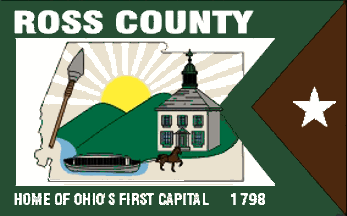
Created near the close of the 18th century, Ross County is one of Ohio's older political subdivisions and was named for an early statesman. Chillicothe was an important early settlement and served as Ohio's first state capital. The county's history includes Native American cultures, early Euro-American settlement, and development tied to agriculture and river transportation.
Geography and environment
The county's terrain is typical of Appalachian Ohio: rolling hills, river valleys, and mixed hardwood forests. Several rivers and streams cross the area, influencing settlement patterns and recreational opportunities. Public lands and nearby state and national forest tracts provide hiking, hunting, and scenic outdoor access.
Culture, archaeology and attractions
Ross County is notable for prehistoric earthworks and mounds constructed by the Hopewell and Adena cultures; important archaeological sites and museums around Chillicothe interpret this ancient heritage. Historic homes, local festivals, and community museums reflect the county's early statehood role. Visitors come for archaeological sites, historic architecture, and regional events.
Economy and communities
The local economy mixes agriculture, small manufacturing, retail, health and public services. Chillicothe functions as the economic hub, with smaller towns and rural townships contributing to a varied local economy. Transportation links and natural resources have shaped economic patterns over time.
Government and demographics
Ross County is governed by elected county officials and provides services typical of Ohio counties, including courts, public health, and infrastructure maintenance. Demographic trends reflect a predominantly small-town and rural population, with civic life centered on cities, villages and townships.
- Major settlement: Chillicothe
- Historical links: early Ohio capital and native earthworks
- Learn more: county resources and visitor information at county seat resources and the county's official site: Ross County
For further reading on regional history and archaeological sites, consult state and regional heritage resources and local museums that document Ross County's role in Ohio's early development and its prehistoric past. Additional official and tourism pages provide maps, event calendars and visitor details.
Regional planning and conservation efforts continue to balance growth with preservation of historic and natural resources, keeping Ross County tied to both its past and its landscape.
Related articles
Author
AlegsaOnline.com Ross County, Ohio: history, geography, and notable sites Leandro Alegsa
URL: https://en.alegsaonline.com/art/84216
Sources
- co.ross.oh.us : "Ross County History"