
Roller skating: sport, recreation, and culture
Roller skating is movement on wheeled skates for recreation, transport and competition. This article explains types of skates, mechanics, history, popular styles, organized sports and cultural significance.
Overview
Roller skating refers to moving on boots fitted with wheels. It is practiced as casual recreation, a fitness activity, a mode of short-distance transport and as organized sport. Skating can take place indoors on wooden or synthetic rinks and outdoors on pavements, tracks and roller-friendly surfaces. Music, choreography and social gatherings are often part of the experience.
Image gallery
10 Images




Equipment and mechanics
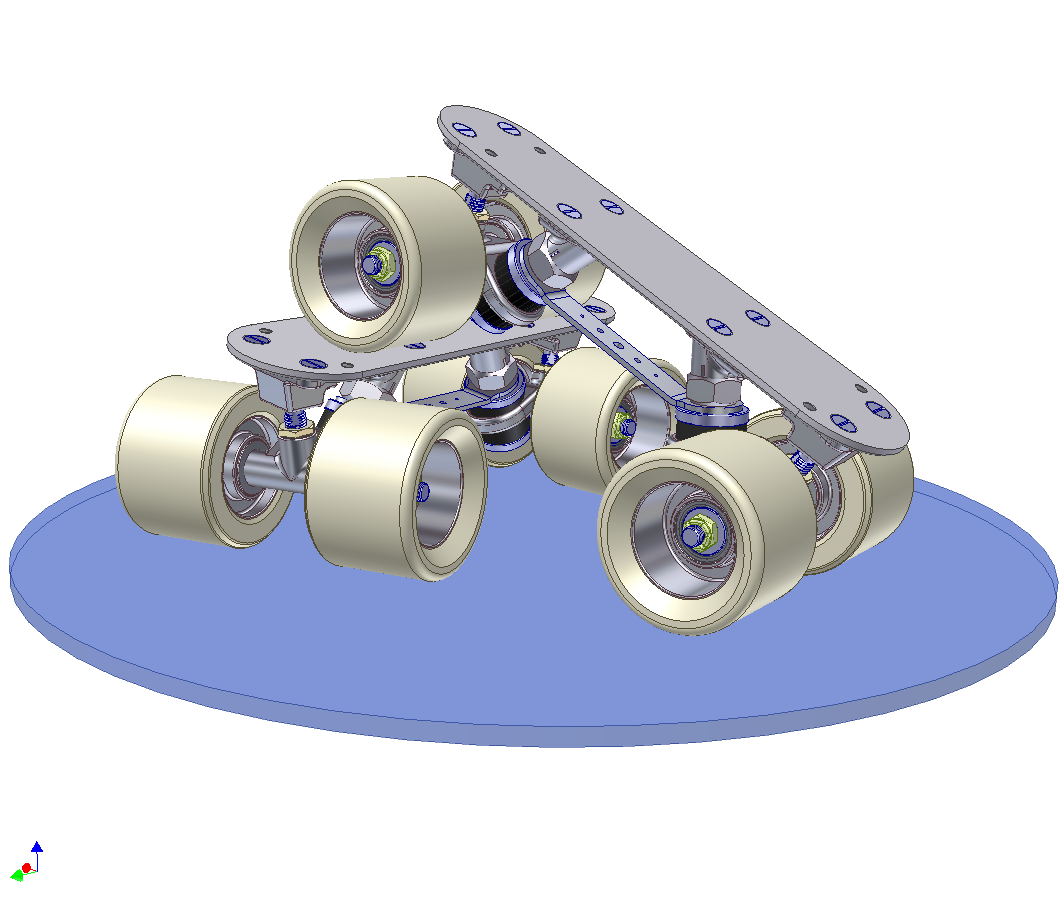
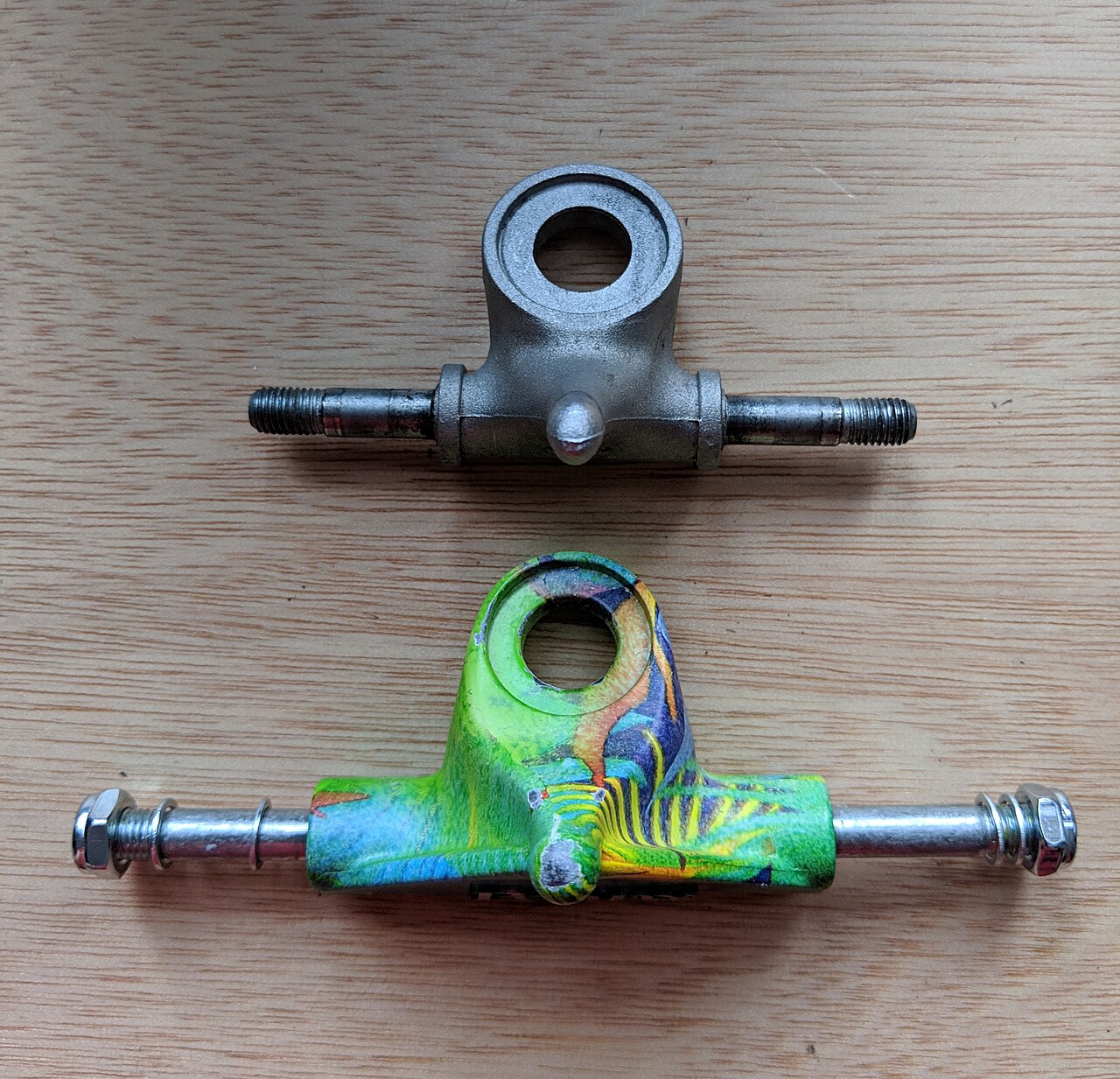
Two principal skate layouts are common: quad skates, which have two pairs of wheels mounted side-by-side beneath a low boot, and inline skates, which arrange wheels in a single line. Key parts include the boot, frame or plate, wheels, bearings and the steering mechanism. Quad skates use trucks and cushions to pivot and turn, a design that resembles some skateboard components; see details about trucks and cushions on trucks and turning. For basic equipment information, consult a general guide to roller skates.
History and social culture
Early forms of wheeled footwear were developed centuries ago and the activity evolved through the 19th and 20th centuries with technological improvements in bearings and wheel materials. Roller skating gained mass popularity in the 20th century with public rinks and recreational circuits; during the disco era it became closely associated with music-driven social events known as roller discos. Skating communities today range from family-oriented rink nights to urban outdoor groups and instructional programs.
Styles, dance and music
Skating has many stylistic expressions. Jam skating blends dance, gymnastics and footwork; artistic skating emphasizes figures and choreography; and fitness skating focuses on endurance and technique. Musical styles shape the atmosphere and movement—ranging from retro disco and funk to contemporary pop and hip-hop—highlighting the role of rhythm in group sessions; see examples of music-linked skating at skating and music.
Organized sport and uses
Several competitive forms exist. Roller derby and roller hockey are team-based contact and stick-and-ball sports derived from skating communities; more information about competitive skating sports is available at roller sports. Other disciplines include speed skating and artistic competitions. Beyond sport, roller skating serves for commuting short distances, cross-training for athletes and as a low-impact aerobic activity popular for general fitness.
Notable distinctions and safety
- Quad vs. inline: different balance and turning characteristics suit different activities.
- Rink vs. outdoor: surface type affects wheel choice and protective needs.
- Protective gear: helmets, wrist guards, knee and elbow pads reduce injury risk.
Roller skating remains a versatile activity blending athletic skill, performance and community recreation. Whether for competitive play, dance expression, or simple outdoor fun, skating continues to evolve with new equipment, events and cultural trends.
Related articles
Author
AlegsaOnline.com Roller skating: sport, recreation, and culture Leandro Alegsa
URL: https://en.alegsaonline.com/art/83810