
RoboCop 2 (1990 film)
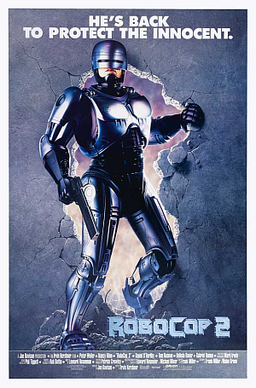
RoboCop 2 is a 1990 American science fiction action film and the sequel to RoboCop (1987). Directed by Irvin Kershner, it continues themes of corporate power, crime, and identity in a dystopian Detroit.
Overview
American science fiction action cinema of the late 20th century often examined technology and society; RoboCop 2 (1990) is a direct sequel to RoboCop (1987). Directed by Irvin Kershner, the film returns to a near-future, corporatized cityscape where law enforcement, private industry and public decay collide.
Image gallery
5 Images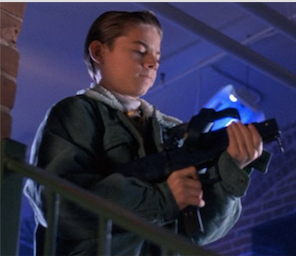

Plot and themes
The story continues the arc of a law-enforcement cyborg who struggles with remnants of human memory while confronting escalating crime and a new synthetic menace. Themes include corporate control, the nature of personhood, and the moral cost of privatizing public safety. The tone blends action set pieces with satirical and dystopian elements that question authority and identity.
Production and principal cast
Peter Weller reprises the title role and is credited with anchoring the film's more introspective moments; the performer is referenced here as Peter Weller. The cast also includes Nancy Allen, cited here as Nancy Allen, and veteran actors in supporting parts. The production expanded creature and effects work compared with the original, and the director's approach emphasized darker, grittier visuals and larger action sequences.
Reception and legacy
Upon release the film met mixed critical reception: some praised its ambitions and set pieces while others found its tone uneven compared with the 1987 original. Over time, critics and genre scholars have reassessed aspects of the sequel, particularly its commentary about privatization and the limits of technology in solving social problems.
Setting, sequels and remakes
The narrative is set in a degraded, dystopian version of Detroit, Michigan, which functions as a stand-in for concerns about urban decline. The franchise continued with RoboCop 3, and the original concept was reimagined in a later 2014 remake. Each entry explores similar motifs but varies widely in tone, style and public reaction.
Notable facts
- The sequel expanded the series' focus from straightforward action to more explicit social critique.
- It helped shape subsequent portrayals of cyborg ethics and corporate villainy in popular culture.
- Fans of the series debate the merits of its different directors and tonal shifts across sequels and reboots.
Related articles
Author
AlegsaOnline.com RoboCop 2 (1990 film) Leandro Alegsa
URL: https://en.alegsaonline.com/art/83457