
Bahraini dinar (BHD)
The Bahraini dinar (BHD) is the official currency of the Kingdom of Bahrain, divided into 1,000 fils. Issued by the Central Bank of Bahrain, it is among the world’s highest-valued currency units.
Overview
The Bahraini dinar is the official money of the Kingdom of Bahrain. Its international currency code is BHD and its usual abbreviations are .د.ب in Arabic script and BD in Latin letters. The dinar is subdivided into 1,000 smaller units called fils, a characteristic it shares with several other currencies in the region. The Central Bank of Bahrain is responsible for issuing and regulating the currency.
Image gallery
10 Images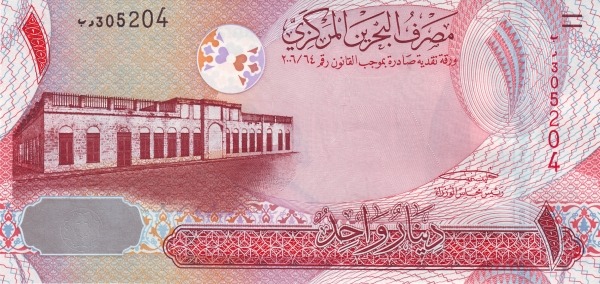


Characteristics and denominations
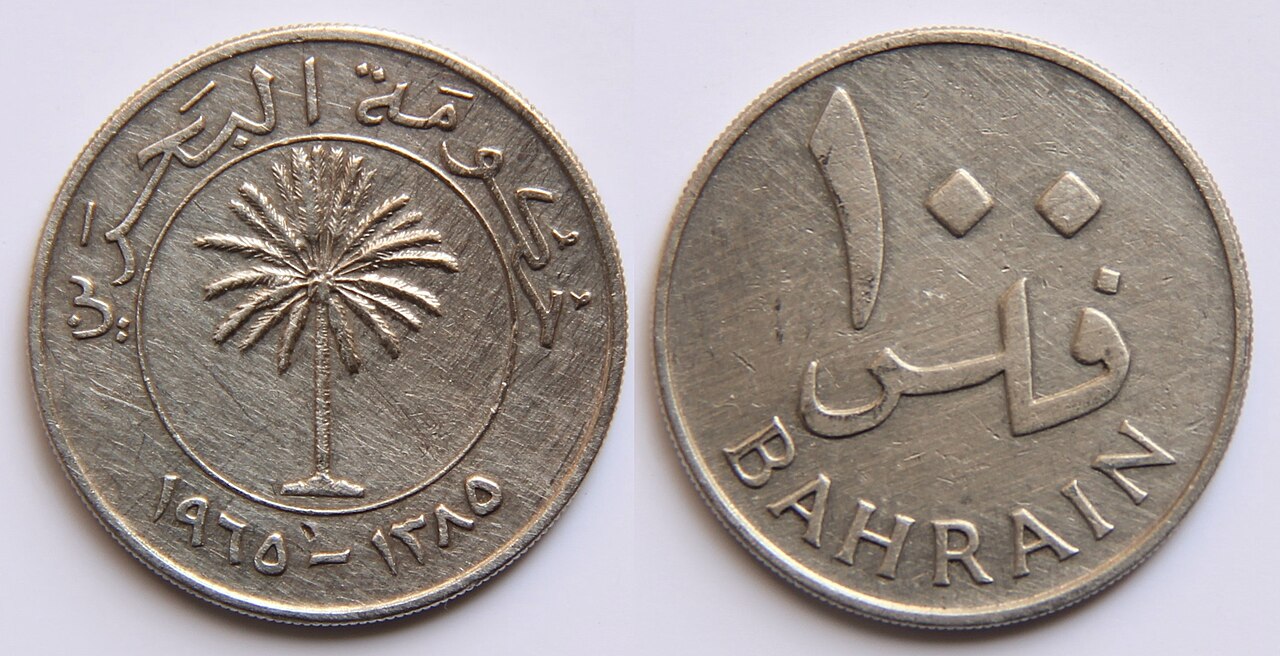
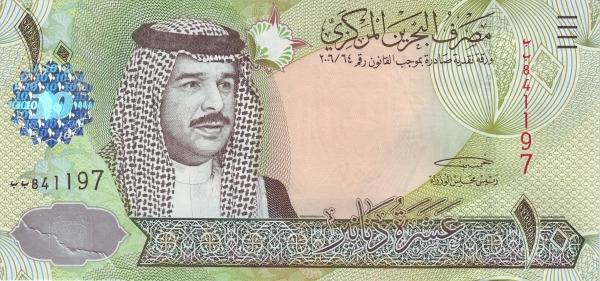
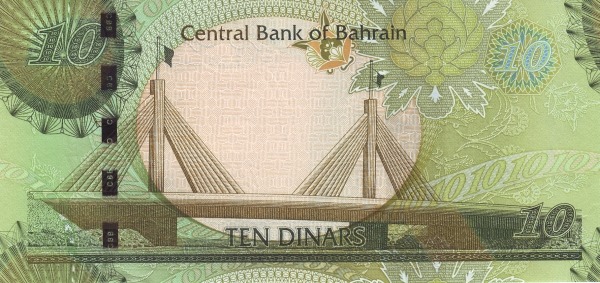
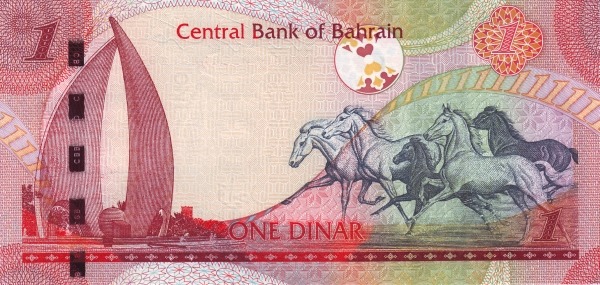
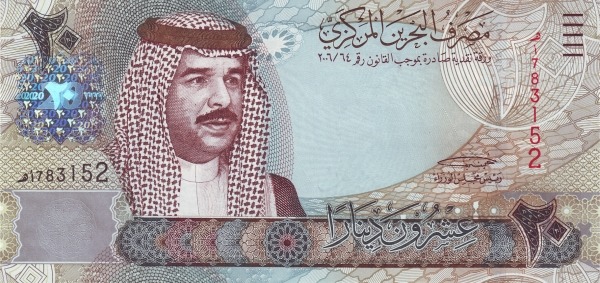
Currency in everyday use includes both coins and banknotes. Coins carry denominations in fils and are issued for small transactions, while banknotes represent larger values for commercial and personal use. Designs commonly feature Arabic script, national emblems, sea- and pearl-fishing motifs that reflect Bahrain’s heritage, and portraits or seals associated with the state. Material, security threads and specialized inks are used on notes to prevent counterfeiting.
History and origin
The name "dinar" traces back to the Roman denarius, a term that passed into Arabic and other languages over centuries. Bahrain introduced its own dinar in 1965, replacing the Gulf rupee and establishing a separate national currency. Over time monetary authorities adapted coinage, note designs and security features to meet the needs of a growing economy.
Uses and importance
As Bahrain’s legal tender, the dinar is used across the economy for wages, prices, banking and government transactions. Its purchasing power has historically been strong relative to many other currencies, a fact that supports international trade and financial activity in the country. The currency plays a central role in monetary policy and in the Central Bank’s management of liquidity and banking stability.
Notable facts and distinctions
- The dinar’s subdivision into 1,000 fils is larger than the 100-subunit structure used by many currencies, allowing for finely graduated values.
- Designs on notes and coins emphasize national identity and Bahrain’s maritime and pearl-diving past.
- Issuing authority: Central Bank and monetary authorities administer currency issuance and circulation.
- Historical context and comparisons: the term dinar shares etymological roots with earlier coinage such as the denarius (classical reference).
For further technical details, exchange practices and current banknote issues consult central bank publications and official resources linked by monetary authorities or financial institutions: see general references at national and financial portals and specialist overviews at currency data services.
Tags
Related articles
Author
AlegsaOnline.com Bahraini dinar (BHD) Leandro Alegsa
URL: https://en.alegsaonline.com/art/8335