
Robert Kocharian: Armenian leader and Nagorno-Karabakh politician
Armenian statesman born in Stepanakert in 1954; served as Prime Minister and then as the second President of independent Armenia, known for his role in Nagorno-Karabakh negotiations and regional politics.
Robert Kocharian is an Armenian political figure who rose from regional leadership in Nagorno-Karabakh to national office. He served as the second President of Armenia after the country gained independence. His career has been closely associated with the disputed territory of Nagorno-Karabakh and with negotiations between Armenia and Azerbaijan.
Image gallery
6 Images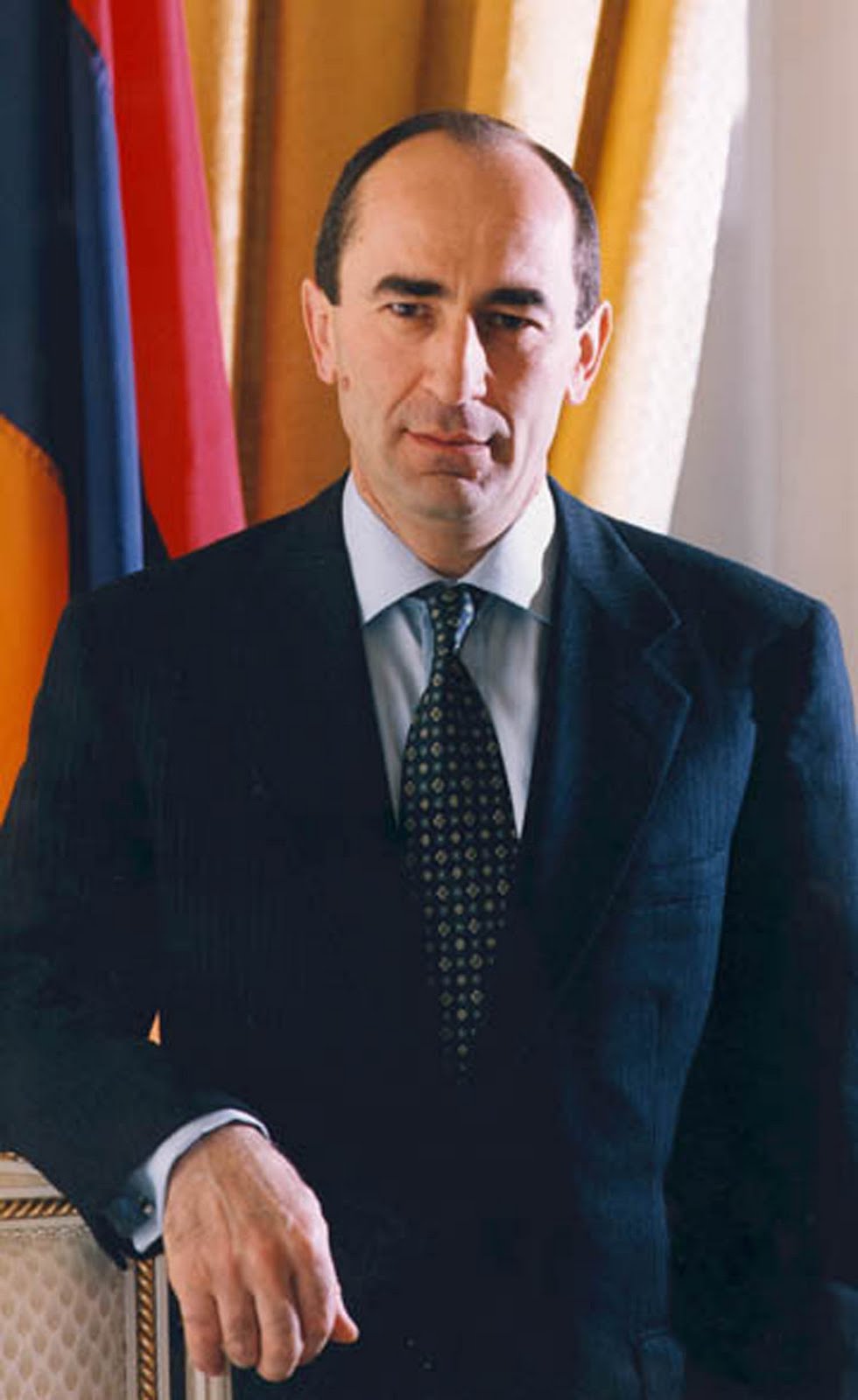


Early life and regional background
Kocharian was born on August 31, 1954, in Stepanakert, the largest town in the mountainous region of Nagorno-Karabakh. At the time of his birth the area was part of the Soviet Union. His upbringing and early public work in this region shaped his later political priorities and reputation as a negotiator and local leader.
Political ascent and offices held
Kocharian first became prominent during the armed conflict over Nagorno-Karabakh in the late 1980s and early 1990s. He held senior positions in the de facto authorities of the region before moving into Armenian national politics. Over the course of his career he held roles including:
- leader in Nagorno-Karabakh's local administration;
- Prime Minister of Armenia;
- President of Armenia, serving two terms at the national level.
Presidency and the Nagorno-Karabakh issue
As president he presided over a period in which the unresolved status of Nagorno-Karabakh remained central to Armenia's foreign and security policy. He repeatedly engaged in talks with Azerbaijani authorities, including meetings and negotiations involving Azerbaijani leader Ilham Aliyev, aimed at finding a peaceful settlement. These talks were part of a longer, internationally mediated effort to reach an agreement between Armenia and Azerbaijan.
Later developments and legacy
Kocharian's time in office and the transitions that followed have been described variously by supporters and critics. His presidency is remembered for consolidating a national leadership that emerged from regional conflict, for efforts to secure Armenia's position in a difficult neighborhood, and for the controversies and political tensions that sometimes accompanied elections and policy choices. In the years after leaving the presidency he remained a notable figure in Armenian politics and public debate.
Notable facts
- He is widely recognized as the second head of state of independent Armenia following the dissolution of the Soviet Union.
- His personal and political roots are in Nagorno-Karabakh, and he was born in Stepanakert.
- Throughout his career he participated in negotiations with Azerbaijani leaders about the future of Nagorno-Karabakh, including talks with Ilham Aliyev.
For further context on the region and the political framework surrounding these events, consult overviews of post-Soviet statehood and the Nagorno-Karabakh conflict, which place Kocharian's career within broader regional developments.
Related articles
Author
AlegsaOnline.com Robert Kocharian: Armenian leader and Nagorno-Karabakh politician Leandro Alegsa
URL: https://en.alegsaonline.com/art/83346