
Kefalonia (Cephalonia): Greek Ionian island — geography, history, attractions
Kefalonia is the largest of the Ionian Islands in Greece, noted for Mount Ainos, dramatic beaches (Myrtos), sea caves, Venetian towns and a modern history shaped by a major 1953 earthquake.
Kefalonia (also spelled Kephalonia or Cephalonia) is a Greek island located in the Ionian Sea. It is the largest of the Ionian group and one of Greece’s bigger islands, with an area of approximately 781 km² and a resident population in the tens of thousands. The island combines a rugged interior of mountains and forests with long, varied coasts of pebble and sand.
Image gallery
10 Images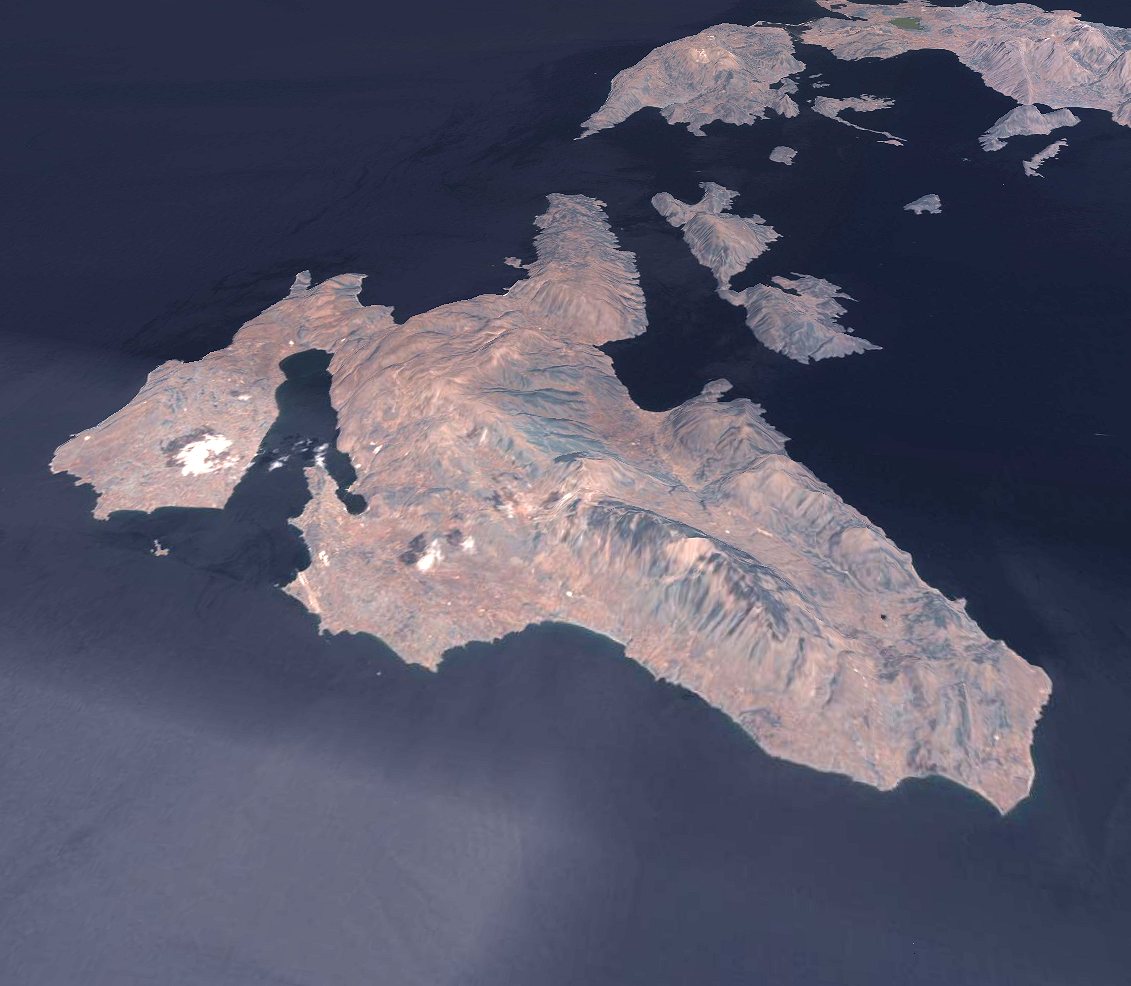


Geography and natural features
The island’s backbone is Mount Ainos, a limestone and ophiolite massif whose upper slopes are home to the Greek fir (Abies cephalonica) and form Ainos National Park. Karst geology has produced notable caves and underground lakes, including the well-known Melissani and Drogarati caves near Sami. Famous beaches such as Myrtos and Antisamos feature striking cliffs and clear blue water and are important draws for visitors.
History and development
Kefalonia’s history is layered: it was settled in antiquity, experienced Roman and Byzantine rule, and later came under Venetian control for several centuries, leaving a visible architectural and cultural imprint. The island passed through French and British administration in the 18th–19th centuries before joining modern Greece. A devastating earthquake in 1953 destroyed much of the island’s built heritage, prompting large-scale reconstruction; some villages in the north, like Fiskardo, retained older Venetian-era buildings and streetscapes.
Towns, culture and economy
Main towns include the capital Argostoli, the port town of Sami, the ferry-linked Lixouri, and the preserved harbour village of Fiskardo. The local economy depends on tourism, agriculture (notably vineyards producing Robola wine), fishing and small-scale commerce. Cultural life mixes traditional Ionian music, religious festivals and cuisine centered on lamb, seafood and olive oil.
Attractions and practical notes
- Myrtos Beach — dramatic pebbled bay and cliff views.
- Melissani Cave — subterranean lake visited by boat.
- Mount Ainos — hiking and endemic fir forests.
- Fiskardo and Assos — scenic harbours with Venetian character.
- Argostoli — administrative centre with a lively promenade and ferry links.
Kefalonia attracts visitors for its combination of dramatic landscapes, archaeological remnants, and relaxed coastal villages. It is also known from literature and film—most notably the novel and movie associated with Captain Corelli’s Mandolin—which helped increase international interest in the island in recent decades. Ferries connect Kefalonia with other Ionian islands and the mainland, and a regional airport handles seasonal flights, making it accessible for both short visits and longer stays.
Related articles
Author
AlegsaOnline.com Kefalonia (Cephalonia): Greek Ionian island — geography, history, attractions Leandro Alegsa
URL: https://en.alegsaonline.com/art/52701
Sources
- kefaloniahome.com : A site for Kefalonia island
- kefalonia.foi.org.uk : Myrtos beach
- astro-holidays.com : All about Melissani cave-lake