
Robert Campin (Master of Flémalle): Leading Early Flemish Painter
Robert Campin (c.1375–1444), often called the Master of Flémalle, was a pioneering early Netherlandish painter who ran a large workshop in Tournai and produced important altarpieces and portraits.
Overview
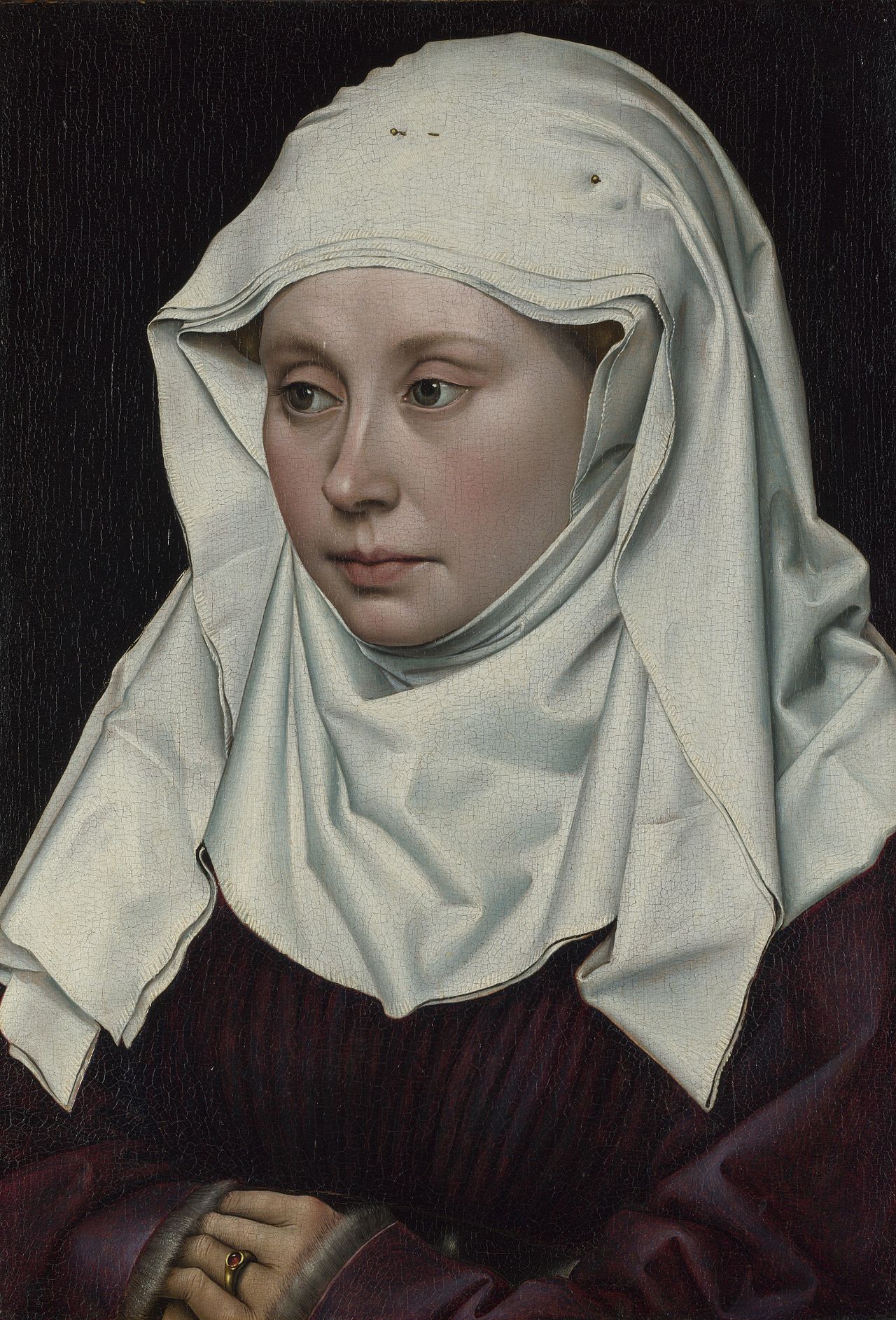
Robert Campin (c.1375–1444) is regarded as one of the foremost painters of the early Northern Renaissance. Often identified with the anonymous “Master of Flémalle,” he is credited with advancing a detailed, naturalistic style that became characteristic of early Netherlandish painting. His work includes devotional altarpieces and intimate portraits that display careful observation of objects, fabrics and light.
Image gallery
10 Images




Life and workshop
Few firm details survive about Campin’s origins; his birthplace remains unknown and the date is approximate. By 1406 he was established as a master painter in Tournai, a thriving artistic centre in what is now southern Flanders. Records show that by 1419 he operated a large, prosperous workshop that produced commissions for churches, civic patrons and private clients across the region. He owned several houses in Tournai and became one of the town’s best paid and most sought-after artists.
Major works
Campin’s surviving oeuvre is not vast, but several works are central to his reputation. His best-known piece is the Mérode Altarpiece, painted c.1425–1428, a small triptych notable for its intricate domestic interior and devotional detail. He produced a number of other altarpieces and panel paintings, as well as small-scale portraits. Many pieces once attributed to an anonymous master are now grouped under Campin’s name, reflecting his workshop’s practice of producing multiple related panels and variants.
Style and technique
Campin was an early adopter of oil-based painting techniques that allowed for translucent glazes, fine details and subtle modelling of surfaces. His paintings are characterized by a meticulous attention to texture — from woven cloth to gleaming metal — and by psychologically convincing figures set in believable interiors. Symbolic objects appear throughout his work, lending devotional scenes an intimate, instructive quality. These characteristics influenced a generation of painters in the Low Countries.
Influence and legacy
For roughly three decades Campin was the pre-eminent painter in Tournai and an important figure in the development of Flemish art. His workshop trained or influenced younger painters who carried Netherlandish naturalism forward, and his approach to composition and detail helped shape the visual language of the Northern Renaissance. Major museums now hold works associated with him and his circle, securing his reputation for later audiences.
Notable facts
- While long called the Master of Flémalle, Campin’s identification with that title was a scholarly development rather than a contemporary name.
- He was married to Ysabel de Stocquain and had no children recorded in surviving documents.
- In 1432 he was involved in a personal scandal that led to legal action; a prominent patron, Margaret of Burgundy, intervened so that a monetary fine could be paid instead of prolonged exile.
- His activity linked the artistic centres of Tournai and the broader region of Flanders, ensuring wide distribution of his style and workshop products.
For further reading on early Netherlandish painting and Campin’s circle, consult standard art-historical surveys and catalogues that discuss the Mérode Altarpiece and the complex attribution history surrounding the Master of Flémalle.
Related articles
Author
AlegsaOnline.com Robert Campin (Master of Flémalle): Leading Early Flemish Painter Leandro Alegsa
URL: https://en.alegsaonline.com/art/83281
Sources
- metmuseum.org : Annunciation Triptych (Merode Altarpiece)
- britannica.com : "Robert Campin"