
Robert Curthose, Duke of Normandy (c.1050–1134)
Duke of Normandy from 1087 to 1106, eldest son of William the Conqueror. Noted for participation in the First Crusade, long rivalry with his brothers in England, and capture at Tinchebray.
Overview
Robert Curthose (c. 1050–1134), sometimes numbered Robert II or III, was the eldest surviving son of William the Conqueror and Matilda of Flanders. He held the title Duke of Normandy from 1087 until his defeat in 1106 and was also associated with the county of Maine. His life combined periods of military ambition, intermittent governance in Normandy and a prolonged dispute with his brothers that ultimately reunited Normandy with the English crown.
Image gallery
9 Images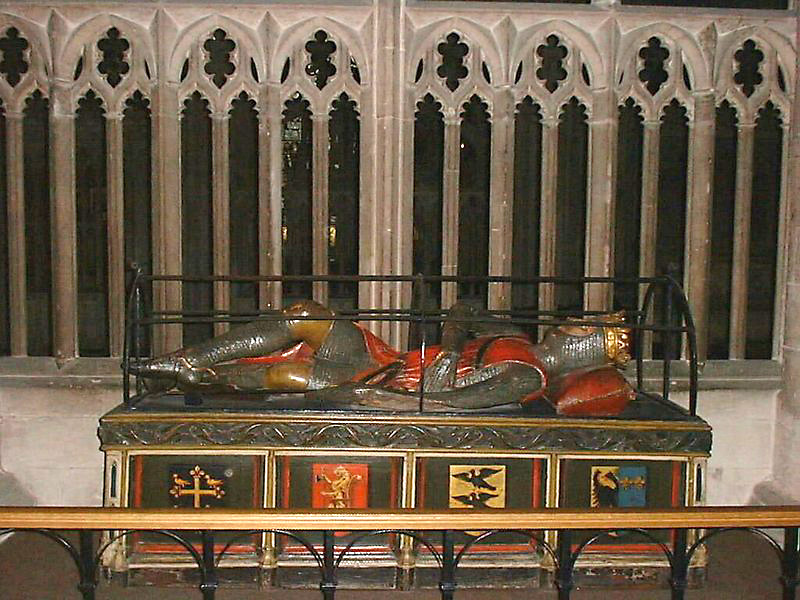
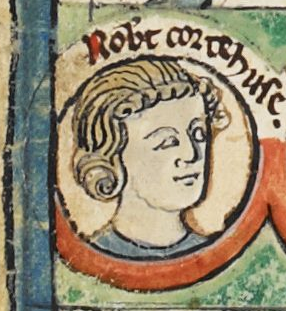




Origins and character
Born into the ruling house of Normandy, Robert inherited the duchy on his father's death in 1087 while his younger brothers pursued other claims: William Rufus became king of England and Henry eventually secured the English throne. Robert acquired the byname "Curthose" in medieval sources — often rendered as meaning "short stockings" — a traditional nickname that commentators have used to distinguish him from other Roberts of the era.
Rule in Normandy and relations with England
Robert's tenure as duke was marked by unstable governance and recurring conflict with his brothers. Rivalries with William II (William Rufus) and later Henry I led to diplomatic manoeuvres, raids and occasional alliances of convenience among Norman barons. To fund his expedition to the Holy Land he is said to have raised money by mortgaging or pledging revenues of Normandy to William Rufus, a step that weakened his authority at home.
First Crusade and return
Robert took part in the First Crusade (late 1090s), commanding a significant contingent of Norman knights and remaining a notable figure among the crusading leadership. His absence from Normandy removed him from immediate political contests there but enhanced his reputation as a warrior abroad. On return he faced renewed factional tensions and failed attempts to exploit English instability to his advantage.
Tinchebray, captivity and legacy
In 1106 Robert was defeated and captured by his younger brother Henry at the Battle of Tinchebray. Henry I imprisoned Robert for the remainder of his life, and Normandy was effectively brought under the control of the English crown, reuniting duchy and kingdom. Robert died in captivity in 1134. Historians regard him as a figure of contrasts: brave and recognised by contemporaries for his crusading role, but uneven as a ruler and often outmaneuvered in domestic politics.
Notable aspects and further reading
- Titles: Duke of Normandy (1087–1106), associated with the county of Maine.
- Military: Participant in the First Crusade and leader of Norman forces abroad.
- Family politics: Central figure in the Norman-English dynastic struggles that followed William the Conqueror's death.
- Final fate: Captured at Tinchebray and held in custody by Henry I until his death.
For introductions to Norman history and the English succession in this period see a general survey of Normandy and the crown of England: Duke of Normandy and crown of England.
Questions and answers
Q: Who was Robert Curthose?
A: Robert Curthose was the Duke of Normandy from 1087 until 1106 and Count of Maine.
Q: How long was Robert Curthose's reign as Duke?
A: Robert Curthose's reign as Duke lasted from 1087 until 1106.
Q: What conflicts did Robert Curthose have during his reign?
A: Robert Curthose had conflicts with his brothers in England during his reign.
Q: What was the outcome of Robert Curthose's conflicts with his brothers in England?
A: The outcome of Robert Curthose's conflicts with his brothers in England was the reunification of the dukedom of Normandy with the crown of England.
Q: Was Robert Curthose ever styled as Robert II or Robert III?
A: Yes, Robert Curthose was sometimes styled as Robert II or Robert III.
Q: When was Robert Curthose born?
A: The birth year of Robert Curthose is estimated to be around 1050.
Q: When did Robert Curthose pass away?
A: Robert Curthose passed away in 1134.
Related articles
Author
AlegsaOnline.com Robert Curthose, Duke of Normandy (c.1050–1134) Leandro Alegsa
URL: https://en.alegsaonline.com/art/83289