
Ringstraße — Vienna's historic grand boulevard
The Ringstraße is a 5.2 km grand boulevard encircling Vienna's Innere Stadt, famed for its 19th-century monumental architecture, major cultural institutions and role in city planning.
The Ringstraße is Vienna's monumental circular boulevard that surrounds the Innere Stadt, the city's historic first district. Stretching roughly 5.2 km and divided into nine named sections, it functions as both a major traffic artery and a concentrated ensemble of public buildings. The Ringstraße is widely regarded as one of Vienna's defining urban features and a primary attraction for visitors to Vienna.
Image gallery
10 Images

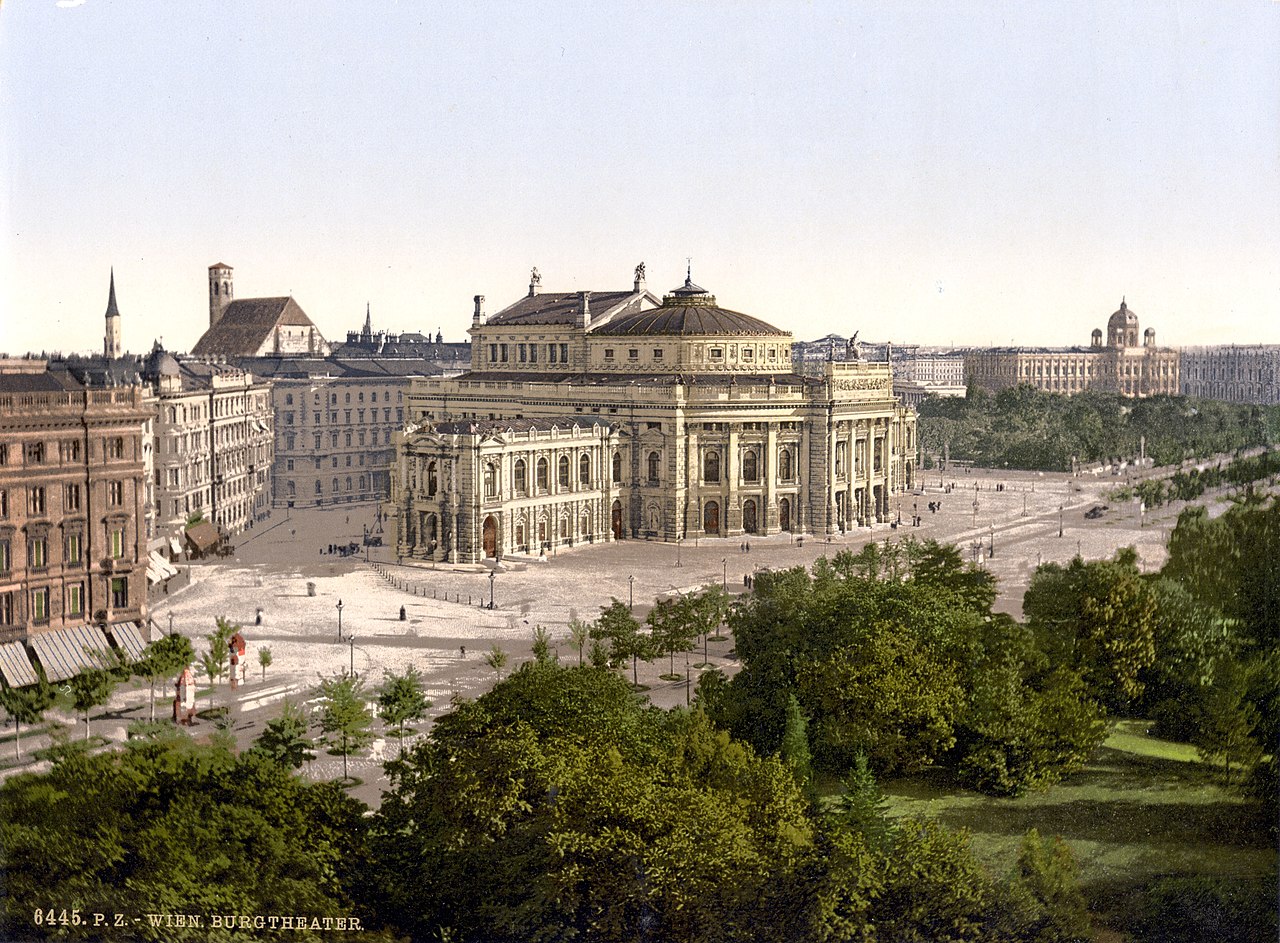
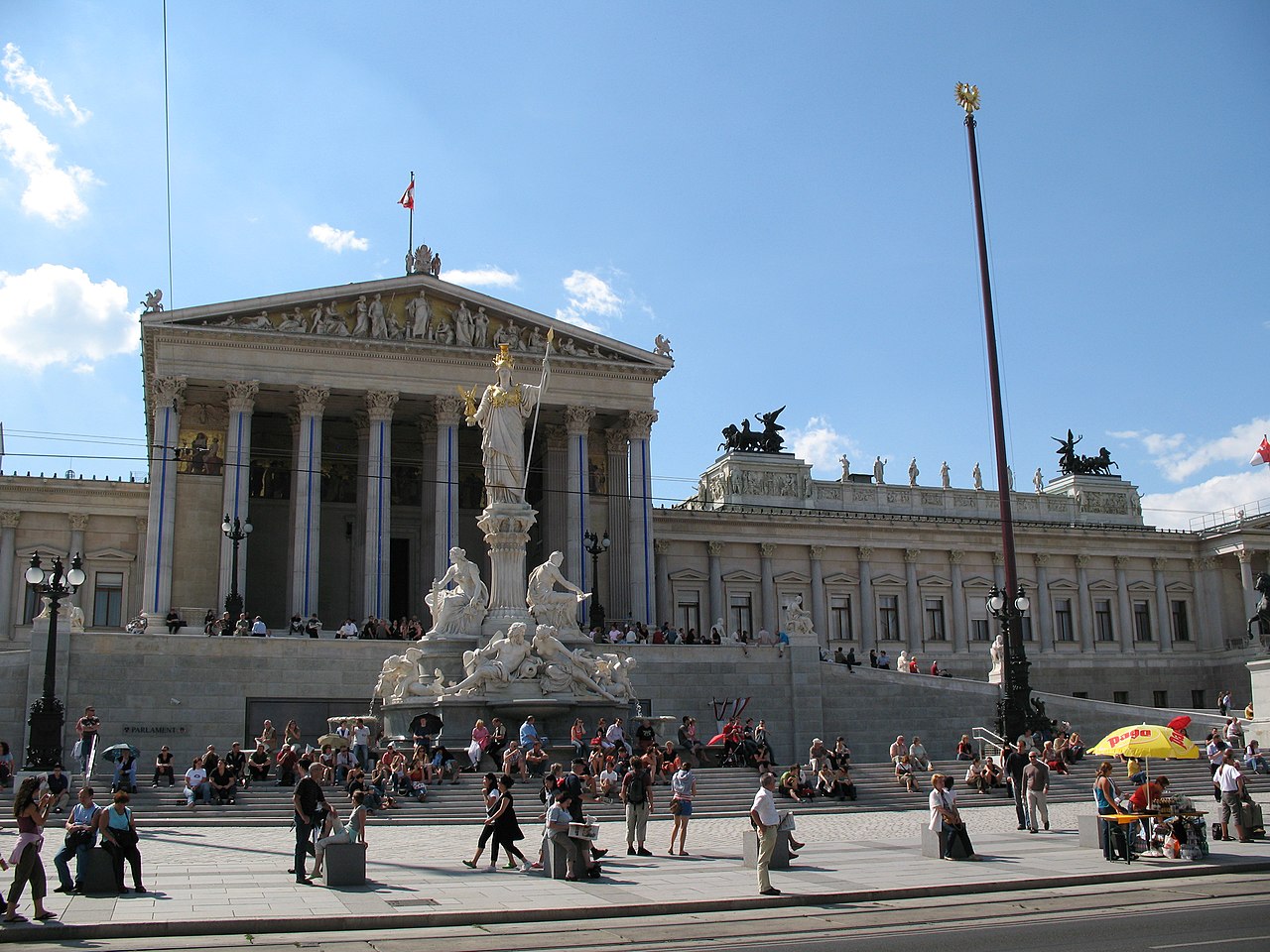


Characteristics and route
Laid out as a continuous street roughly encircling the medieval core, the Ringstraße follows the footprint left when the old fortifications were removed. Its course links a series of squares and promenades and is crossed by tram and road networks. Architecturally, the boulevard presents a parade of grand façades, gateways and formal building fronts that create a unified civic frontage around the center.
History and development
The Ringstraße was created in the mid‑19th century after city walls and bastions were dismantled to make way for modern urban expansion. Under imperial and municipal plans, the new boulevard became a showcase for public institutions and private palaces. Architects and city planners adopted historicist styles—drawing on Renaissance, Baroque and Gothic references—to express the prestige of the Habsburg capital.
Landmarks and cultural role
Many of Vienna's most important cultural and civic buildings face the Ringstraße. Notable examples include the Vienna State Opera, the Burgtheater, the Austrian Parliament, the Rathaus (city hall), large university buildings and major museums. These landmarks, together with parks, statues and monuments, make the Ringstraße a concentrated cultural axis and a frequent focus for parades, public ceremonies and sightseeing.
Significance and comparisons
As a 19th‑century ring boulevard, the Ringstraße is often compared with other European grand boulevards of the same era, serving both practical circulation needs and symbolic display. Its completion reshaped Vienna's urban form, replacing fortifications with wide avenues, civic institutions and representative architecture that continue to define the city's center.
- Length: about 5.2 km; divided into nine sections.
- Encircles: the Innere Stadt (first district).
- Functions: transport route, cultural promenade, historical ensemble.
Related articles
Author
AlegsaOnline.com Ringstraße — Vienna's historic grand boulevard Leandro Alegsa
URL: https://en.alegsaonline.com/art/82981