
Ried-Brig — municipality in the district of Brig, Valais, Switzerland
Ried-Brig is a small Swiss municipality in the district of Brig, in the canton of Valais. It lies in the Rhône valley near the Alps and shares economy, transport links and cultural ties with the Brig region.
Ried-Brig is a municipality in the district of Brig in the canton of Valais in Switzerland. It occupies a place in the Rhône valley close to the town of Brig and the surrounding alpine foothills. Though compact in size, Ried-Brig forms part of the local network of villages and towns whose residents, services and landscapes are closely connected to the larger Brig urban area and the routes that cross the Alps.
Image gallery
7 Images

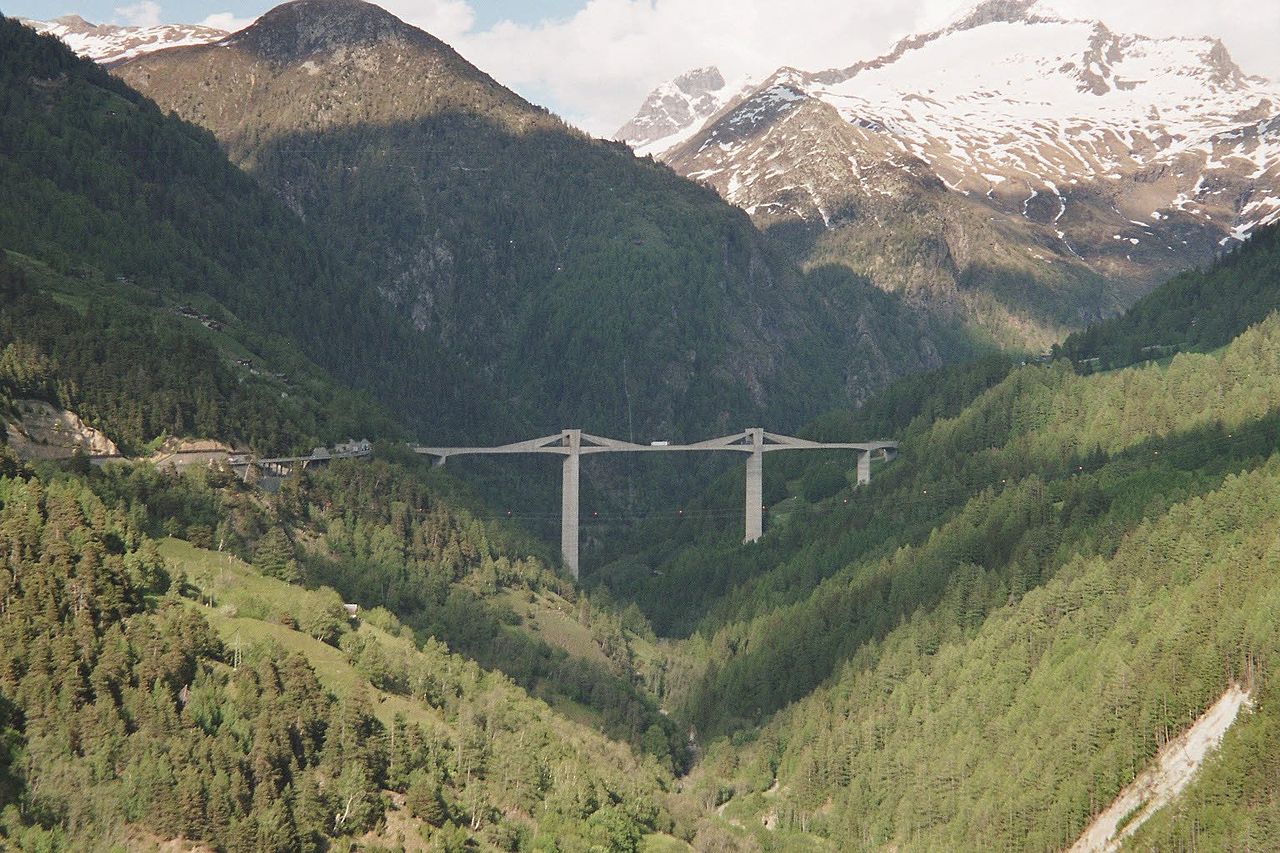


Geography and characteristics
The municipality sits at the transition between the valley floor and rising alpine terrain. Its land use typically combines residential neighbourhoods, agricultural plots and access to mountain pastures. The setting affords views of nearby peaks and makes the area a corridor for north–south movement across the canton. Local architecture and village layout reflect the rural traditions of Upper Valais.
History and culture
Like many settlements in Valais, Ried-Brig has roots in centuries of valley life shaped by alpine farming, seasonal work and church parishes. Traditional festivals, customs and the local dialect are part of the community identity and connect it to broader Valais cultural patterns. Historical links with the town of Brig have influenced its development and administration.
Economy, transport and daily life
Economically, the municipality is linked to Brig for employment, education and services; many residents commute to nearby centres. The area benefits from proximity to major alpine transit routes, including rail and road corridors that serve international and regional travel. Small businesses, agriculture and tourism-related activities are typical parts of the local economy.
Administration and notable facts
- Administrative affiliation: district of Brig, canton of Valais.
- Part of the German-speaking Upper Valais cultural region, with local dialects and parish life.
- For municipal information and services see local resources such as official commune pages.
Ried-Brig is best understood as a small but integrated community: geographically close to an important alpine town, culturally rooted in Valais traditions, and practically linked to regional transport and economic patterns.
Related articles
Author
AlegsaOnline.com Ried-Brig — municipality in the district of Brig, Valais, Switzerland Leandro Alegsa
URL: https://en.alegsaonline.com/art/82842