
Richard Anthony (French singer)
French pop singer Richard Anthony (born Ricardo Anthony Btesh, 1938–2015) rose to prominence in the 1960s with French-language adaptations of Anglo-American hits and a long popular career in francophone music.
Overview
Richard Anthony, born Ricardo Anthony Btesh on 13 January 1938, was a prominent French-language pop singer. He was born in Cairo, Egypt and later became a notable figure in France's popular music scene. Anthony enjoyed broad appeal during the 1960s and maintained a performing and recording career that lasted for many decades.
Image gallery
1 Image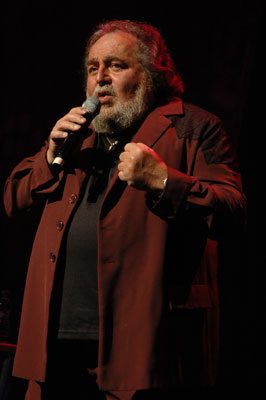
Musical style and career
Anthony is best known for recording French-language versions of popular Anglo-American songs, a common practice in the era that helped international hits reach francophone audiences. His style blended melodic pop with elements of the contemporary "yé-yé" movement, and his clear vocal delivery made him well suited to radio and televised appearances. He began recording in the late 1950s and became especially visible during the 1960s, when translated covers and original material both found success on the charts and in live performances.
Notable appearances and influence
Beyond his recordings, Richard Anthony's music reached film and television audiences: selections from his catalogue have been used in soundtrack contexts, bringing his work to new listeners. He also made occasional on-screen appearances. As a performer who bridged Anglo and francophone pop traditions, Anthony helped popularize international songforms in France and influenced younger singers who followed the cross-cultural trends of the mid-20th century.
Later life and death
Anthony continued to perform intermittently in later years and remained a recognizable name in francophone popular music. He died on 19 April 2015 in Pégomas, France, at the age of 77. Obituaries and retrospectives noted his role in bringing international pop songs to French audiences and his long-standing presence in the music world.
Legacy
- Represented a generation of singers who adapted Anglo-American pop for francophone listeners.
- Remembered for a smooth pop vocal style and a string of popular recordings across decades.
- His recordings continue to be referenced in discussions of 1960s French popular music and its international connections.
For further reading and discographies, consult specialist music sources and archival material that focus on francophone pop history and the international exchange of popular songs during the mid-20th century.
Related articles
Author
AlegsaOnline.com Richard Anthony (French singer) Leandro Alegsa
URL: https://en.alegsaonline.com/art/82635
Sources
- allmusic.com : "Richard Anthony-Biography"
- france3-regions.francetvinfo.fr : Obituary