
Richard Baer — Last Commandant of Auschwitz
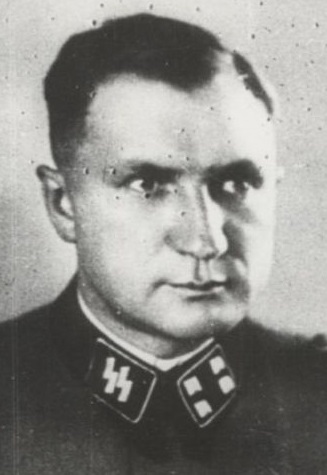
Richard Baer (1911–1963) was an SS officer who served as the final commander of the Auschwitz concentration camp complex. He led the camp during the summer and autumn of 1944 and died in custody before trial.
Overview
Richard Baer (9 September 1911 – 17 June 1963) was a German SS officer who served as the last commandant of the Auschwitz concentration camp complex. He assumed command during the later phase of World War II and oversaw camp operations during a period of intense deportation and mass murder. His tenure is a central episode in studies of the Holocaust and the administration of Nazi camps.
Image gallery
3 Images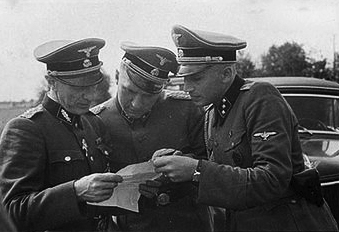

Early career and SS service
Born in 1911, Baer joined the Nazi Party and the Schutzstaffel (SS) in the 1930s and was assigned to the concentration camp system. Over the years he rose through the camp administration, holding posts at several facilities before being transferred to Auschwitz. His career followed the bureaucratic and disciplinary structures typical of SS camp officers of that era.
Commandant of Auschwitz
In 1944 Baer succeeded Arthur Liebehenschel as the officer in charge of the Auschwitz complex, which included the main camp and the extermination and labor subcamps. During his period of command the camp experienced large-scale deportations and selections, notably the arrivals from Hungary in mid-1944. Under his authority the camp continued to operate as a center of systematic murder, forced labor, and prisoner abuse.
After the war and legal pursuit
Following Germany's defeat, Baer went into hiding and lived under an assumed identity in postwar Germany for many years. He was eventually identified and arrested by West German authorities in 1960. Before criminal proceedings could reach a full trial, he died in custody in 1963. His death prevented a formal judicial judgment in the public record of German courts.
Legacy and historical significance
Baer's role is examined by historians as part of the broader SS command structure that organized mass murder during the Holocaust. He is often cited in accounts of Auschwitz as the final camp commandant and a participant in the camp's bureaucracy of extermination. For more general context on Germany and Auschwitz see Germany and Auschwitz.
- Notable fact: Baer was the last officer to lead Auschwitz before its evacuation and liberation.
- Historical note: His arrest in 1960 came amid renewed efforts to prosecute Nazi war criminals in the postwar decades.
Related articles
Author
AlegsaOnline.com Richard Baer — Last Commandant of Auschwitz Leandro Alegsa
URL: https://en.alegsaonline.com/art/82641