
Reutlingen — German city in Baden-Württemberg
Reutlingen is a city in the German state of Baden-Württemberg, known for its medieval centre, industrial and educational institutions, and proximity to the Swabian Alps. Population about 110,000.
Overview
Reutlingen is a mid-sized city in the southwest of Germany, in the federal state of Baden-Württemberg. It serves as the administrative centre of the surrounding district and is home to roughly 110,000 residents. The city combines an urban economy with easy access to countryside and the low mountains of the Swabian Alb.
Image gallery
10 Images




Geography and notable places
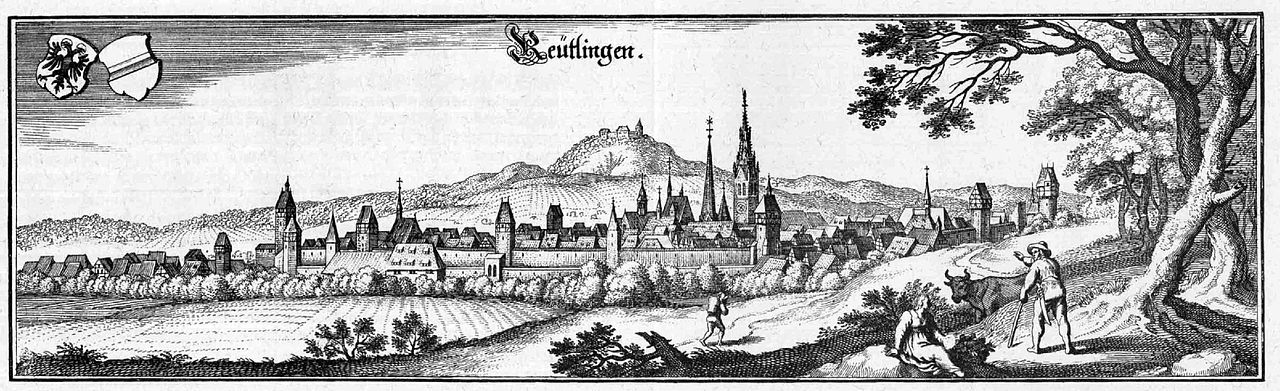
Reutlingen sits near the foothills of the Swabian Alb and is crossed by a small river, giving the town a natural backdrop of limestone hills and orchards. Its historic core features a market square and a Gothic parish church. Visitors often notice a famously narrow alley near the old town reputed to be one of the world’s narrowest streets. For maps and visitor information see regional resources.
History and development
The town grew up in the medieval period as a market and craft centre. Over centuries it developed textile and later engineering industries, and it experienced the common political changes of southwestern Germany: local autonomy in the Middle Ages, integration into larger territorial states, and industrial expansion in the 19th and 20th centuries. Significant rebuilding and modernization followed World War II, while much of the historic centre has been preserved and adapted.
Economy, education and transport
Reutlingen’s economy is dominated by small and medium-sized industrial firms, particularly mechanical engineering, textiles and automotive suppliers, alongside service and retail sectors. The city hosts a university of applied sciences that promotes applied research and training. Reutlingen is linked by regional rail and road networks to nearby cities, providing commuter and freight connections without relying on a single major highway. For official municipal information consult the city website.
Culture and distinctions
Culturally, Reutlingen offers museums, annual markets and community festivals that reflect Swabian traditions. It maintains partnerships with international twin towns and supports local theatres and musical groups. Notable facts often mentioned in guides include its well-preserved market square, longstanding craft traditions and access to outdoor recreation in the surrounding hills, making it a blend of historic town life and modern industry.
- Population: about 110,000
- Region: Swabian Alb foothills
- Known for: medieval centre, industry, university
Related articles
Author
AlegsaOnline.com Reutlingen — German city in Baden-Württemberg Leandro Alegsa
URL: https://en.alegsaonline.com/art/82385
Sources
- statistik.baden-wuerttemberg.de : "Alle politisch selbständigen Gemeinden mit ausgewählten Merkmalen am 31.12.2018 (4. Quartal)"
- destatis.de : destatis.de/DE/ZahlenFakten/LaenderRegionen/Regionales/Gemeindeverzeichnis/Administrativ/…
- commons.wikimedia.org : Reutlingen