
Reykjanesbær — municipality on Iceland's Reykjanes Peninsula
Reykjanesbær is a southwestern Icelandic municipality formed from Keflavík, Njarðvík, Hafnir and Ásbrú. It is a regional hub near Keflavík International Airport with fishing, services and growing business areas.
Reykjanesbær is a municipality in southwestern Iceland, located on the Reykjanes Peninsula. Formed through municipal consolidation in the mid-1990s, it brings together several adjacent communities around the town of Keflavík. The municipality functions as a local administrative centre and as a gateway for international travellers arriving at the nearby airport, while retaining a strong coastal and fishing heritage.
Image gallery
8 Images


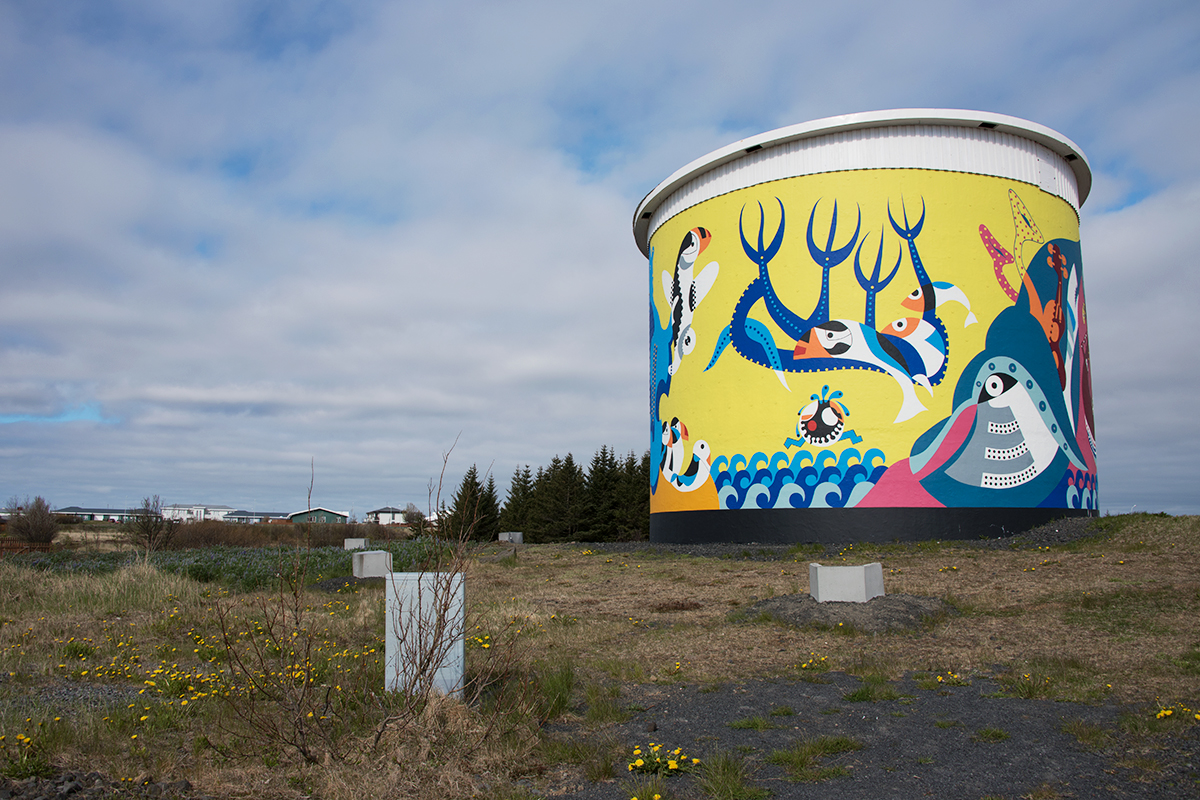
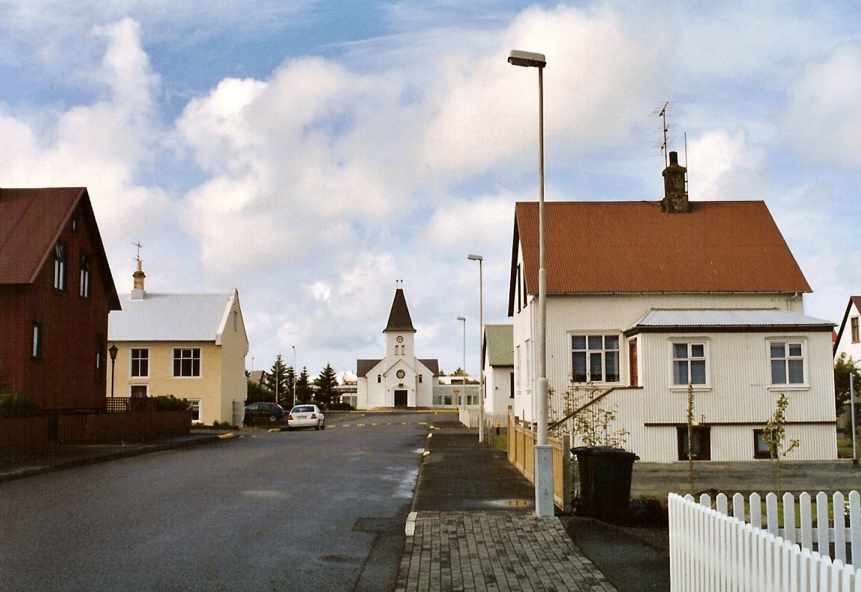
Composition and geography
Reykjanesbær comprises the towns of Keflavík and Njarðvík, the village of Hafnir and the area known as Ásbrú. The landscape combines low coastal plains, lava fields and patches of developed urban area. Its position on the Reykjanes Peninsula places it amid active geothermal and volcanic geology that characterises the region.
History and development
The municipality was created by uniting neighboring towns in 1995 to streamline local services and planning. Keflavík historically grew around fishing and later became the site adjacent to an important international airport and, for decades, a NATO air base. In recent decades, former military areas such as Ásbrú have been repurposed for civilian business, education and community uses.
Economy, transport and services
Economic activity in Reykjanesbær includes fishing and fish processing, service industries linked to international travel, commerce and small-scale manufacturing. Keflavík International Airport serves the region and is a major factor in the local economy. Public amenities include schools, community centres and municipal administration located in the principal towns.
Culture, attractions and institutions
- Local cultural life blends maritime traditions with modern community facilities and small museums.
- Outdoor recreation takes advantage of coastal scenery and nearby geothermal areas popular with visitors to the Reykjanes Peninsula.
- Redeveloped sites such as Ásbrú host business parks, training centres and events that connect the municipality to wider economic networks.
Reykjanesbær is one of Iceland's larger municipalities by population — roughly fourteen to fifteen thousand residents, making it among the country's larger local authorities outside the Reykjavík area. For official information and local services see the municipal website: Reykjanesbær municipal site. General regional details are available from Icelandic national sources: Iceland information, and for transport and visitor planning consult airport and travel resources such as airport information and regional guides: Reykjanes Peninsula resources.
Notable distinctions include its strategic location as an international access point to Iceland, a mix of traditional fishing economy and newer service and education-oriented enterprises, and its setting within a geologically active and scenic part of the country.
Questions and answers
Q: Where is Reykjanesbær located?
A: Reykjanesbær is located in southwestern Iceland.
Q: What towns are included in Reykjanesbær?
A: Reykjanesbær is made up of the towns Keflavík and Njarðvík, the village of Hafnir, and Ásbrú.
Q: When was the municipality created?
A: The municipality was created in 1995.
Q: How large is Reykjanesbær compared to other municipalities in Iceland?
A: Reykjanesbær is the fifth largest municipality in Iceland.
Q: What is the population of Reykjanesbær?
A: The population of Reykjanesbær is 14,527 people.
Q: Is Reykjanesbær a city or a municipality?
A: Reykjanesbær is a municipality.
Q: What area of Iceland is Reykjanesbær located in?
A: Reykjanesbær is located in south western Iceland.
Related articles
Author
AlegsaOnline.com Reykjanesbær — municipality on Iceland's Reykjanes Peninsula Leandro Alegsa
URL: https://en.alegsaonline.com/art/82443
Sources
- reykjanesbaer.is : "Þótt Reykjansbær sé ungt sveitarfélag nær saga þess aftur til 16. aldar"