
Baekdu Mountain (Changbai Mountain): geography, geology, and cultural importance
Baekdu (Changbai) is a volcanic massif on the China–North Korea border, noted for its large caldera lake Heaven Lake, high summit, distinct ecosystems, and cultural significance in both countries.
Overview
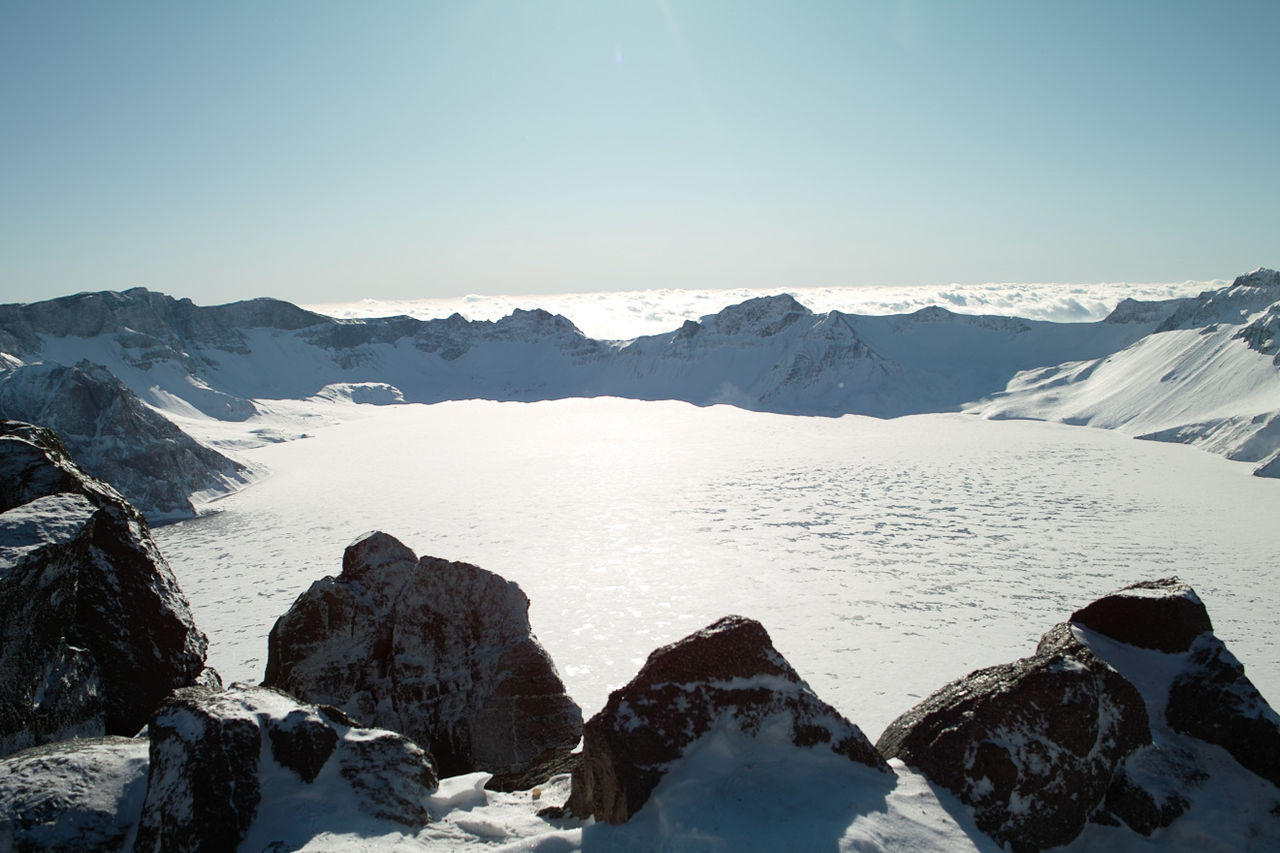
Baekdu Mountain (Korean: Baekdu-san) and Changbai Mountain (Chinese: Changbai-shan) is a volcanic massif that straddles the border between North Korea and China. Its summit area is dominated by a large caldera and a deep crater lake known in English as Heaven Lake (Korean: Cheonji, Chinese: Tiandi). The mountain is the highest point in the broader Korean Peninsula region and is widely recognized for its dramatic topography, persistent snow near the summit, and extensive forested slopes.
Image gallery
10 Images



Location and topography
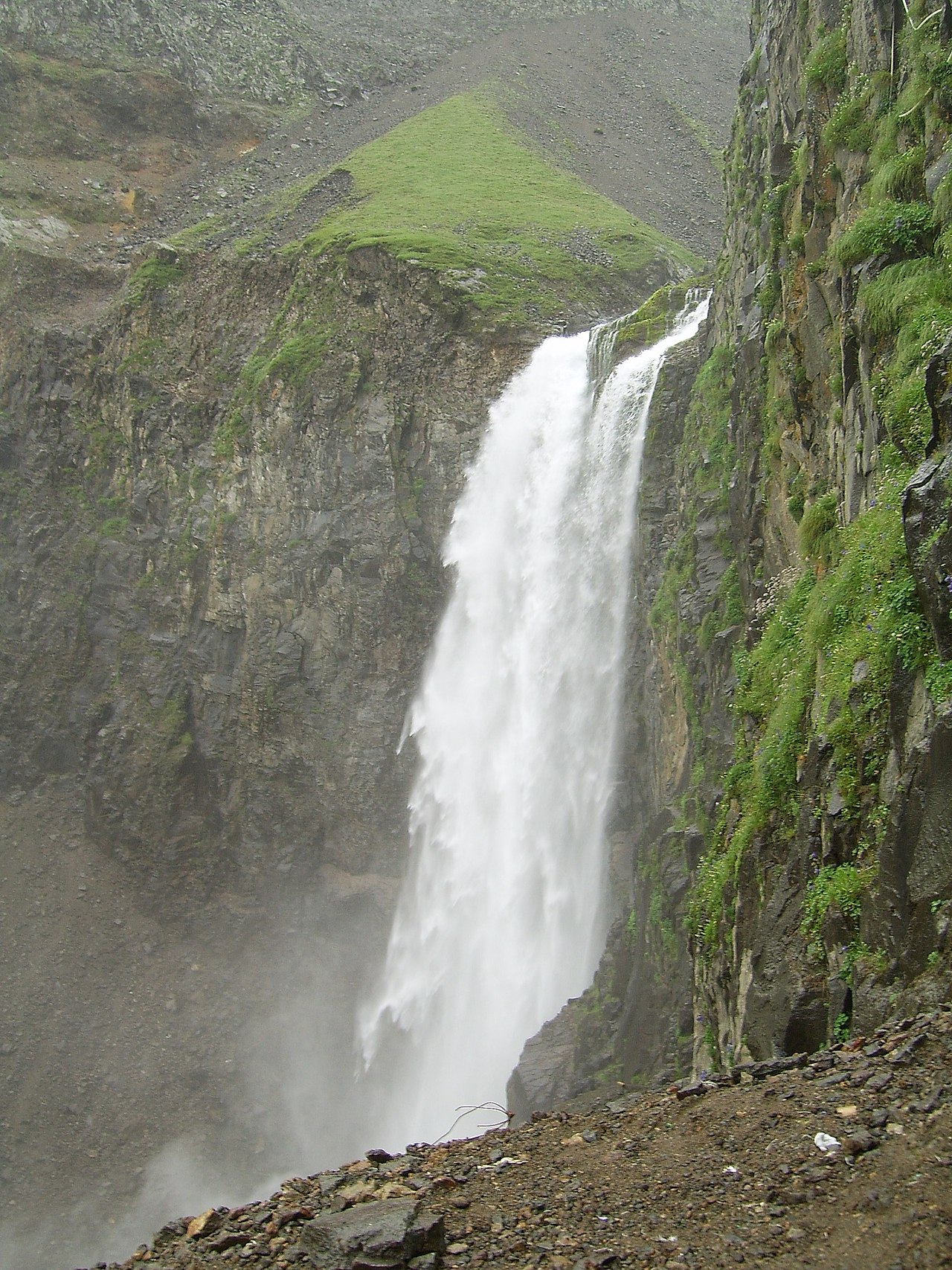
The massif forms a prominent watershed and a natural boundary between the two countries. Ridges, steep slopes and volcanic landforms descend from the summit caldera to lower valleys. The caldera rim and the lake occupy the central high part of the complex; surrounding terrain includes lava flows, pyroclastic deposits and thermal features at lower elevations.
Volcanic history and the caldera lake
Baekdu/Changbai is an active volcanic complex. Its large summit caldera and Heaven Lake were produced by a major explosive eruption in the first millennium CE; many sources date that event to the tenth century, with commonly cited estimates in the range of the 900s CE. The caldera and lake are studied as an important example of a stratovolcano-caldera system because the eruption reshaped the summit and left deposits that record the event's magnitude. Ongoing geological and geophysical research monitors deposits, seismicity and hydrothermal activity to assess future activity (volcanic studies, caldera research).
Ecosystems and biodiversity
Vegetation zones change with elevation from mixed broadleaf and conifer forests at mid slopes to alpine meadows and exposed rock near the crater. The mountain supports a variety of plants and wildlife adapted to cold, montane conditions; historically the region was habitat for large mammals such as Amur (Siberian) tigers and leopards, though populations have declined and conservation efforts vary across the border. Endemic and cold-adapted species occur in isolated populations, making the area important for biodiversity monitoring and habitat protection.
Conservation and management
Much of the massif and adjacent forests are included in protected areas and nature reserves, particularly on the Chinese side where the Changbaishan Nature Reserve is established to protect watersheds and old-growth stands. Management approaches, access rules and permitted activities differ between the two states, and the mountain is consequently a subject of transboundary conservation interest and occasional cooperative scientific work (territorial and reserve information).
Culture, history and symbolism
The mountain holds deep cultural and historical resonance. In Korean tradition it appears in myth and national symbolism and is invoked in poetry and modern identity. On the Chinese side it is celebrated for its scenic and cultural value and figures in regional literature and tourism narratives. The site has also been used in modern ceremonial contexts; for example, a torch-lighting ceremony associated with the Beijing Olympics included the mountain as a symbolic setting (Beijing Olympic ceremony).
Visiting and safety
Tourist access is available but regulated. The Chinese side has established visitor facilities, trails and interpretation to support tourism and conservation education, while access to the northern side is more restricted and normally requires special arrangements. Weather at high elevations can change rapidly and the caldera rim is exposed; visitors should follow guidance from park authorities and hire experienced guides when required. Scientific teams continue to visit under permits to study geology, climate and ecology.
Key points
- Dual names: Baekdu-san (Korean) and Changbai-shan (Chinese), reflecting different linguistic and cultural perspectives.
- Caldera lake: Heaven Lake (Cheonji/Tiandi) occupies the summit caldera formed by a major medieval eruption.
- Active system: The mountain is an active volcanic complex of interest for ongoing monitoring and hazard assessment (volcanology).
- Conservation: Protected areas and reserves aim to conserve unique ecosystems, though management differs between nations (reserve information).
- Cultural importance: The mountain is a potent symbol in regional traditions and contemporary ceremonies.
For further reading and scientific summaries see resources on regional volcanism, caldera formation and transboundary conservation (caldera research, China context, North Korea context).
Related articles
Author
AlegsaOnline.com Baekdu Mountain (Changbai Mountain): geography, geology, and cultural importance Leandro Alegsa
URL: https://en.alegsaonline.com/art/8234
Sources
- volcano.si.edu : Smithsonian Institution Global Volcanism Program: Baitoushan
- doi.org : 10.1007/s004450050004
- commons.wikimedia.org : Mount Changbai / Paektu