
Baffin Bay
Baffin Bay is the marginal sea between Baffin Island and southwest Greenland. This article summarizes its location, oceanography, ecology, human history, and modern environmental and scientific significance.
Overview
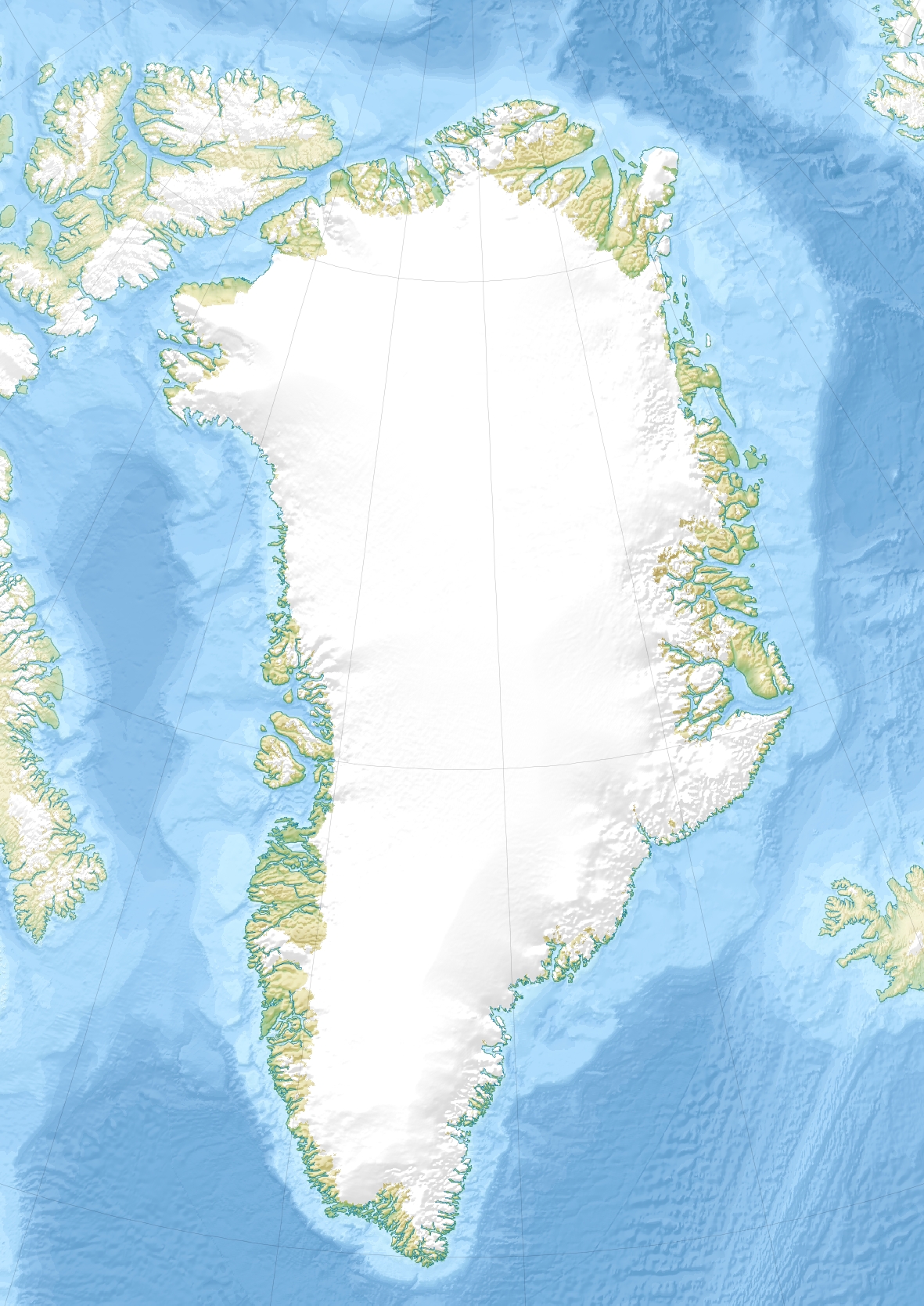
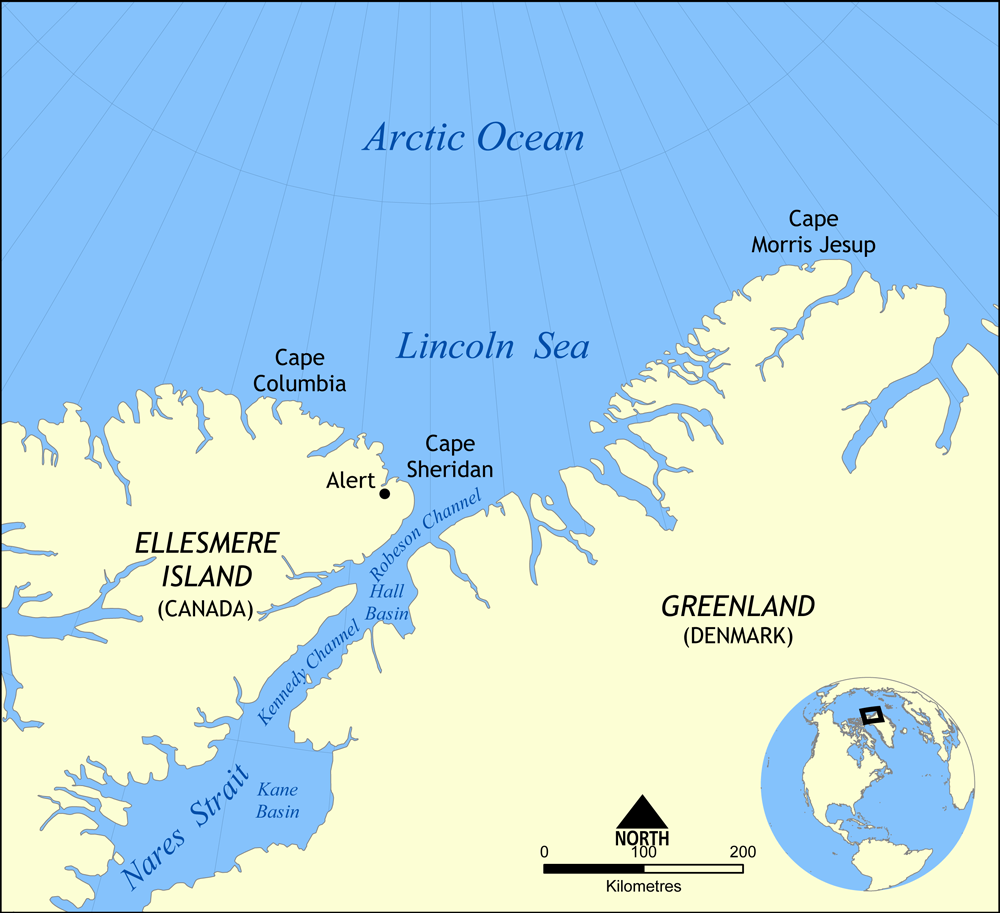
Baffin Bay (Inuktitut: Saknirutiak Imanga) is a cold marginal sea lying between Baffin Island and the southwest coast of Greenland. It forms a transitional zone between the North Atlantic Ocean and the high Arctic: the bay communicates with the Atlantic through the Davis Strait and the Labrador Sea, and with the central Arctic via the narrower Nares Strait. The interface of cold Arctic waters and Atlantic inflow shapes the bay's climate, ice cover, and marine life.
Image gallery
7 Images

Geography and oceanography
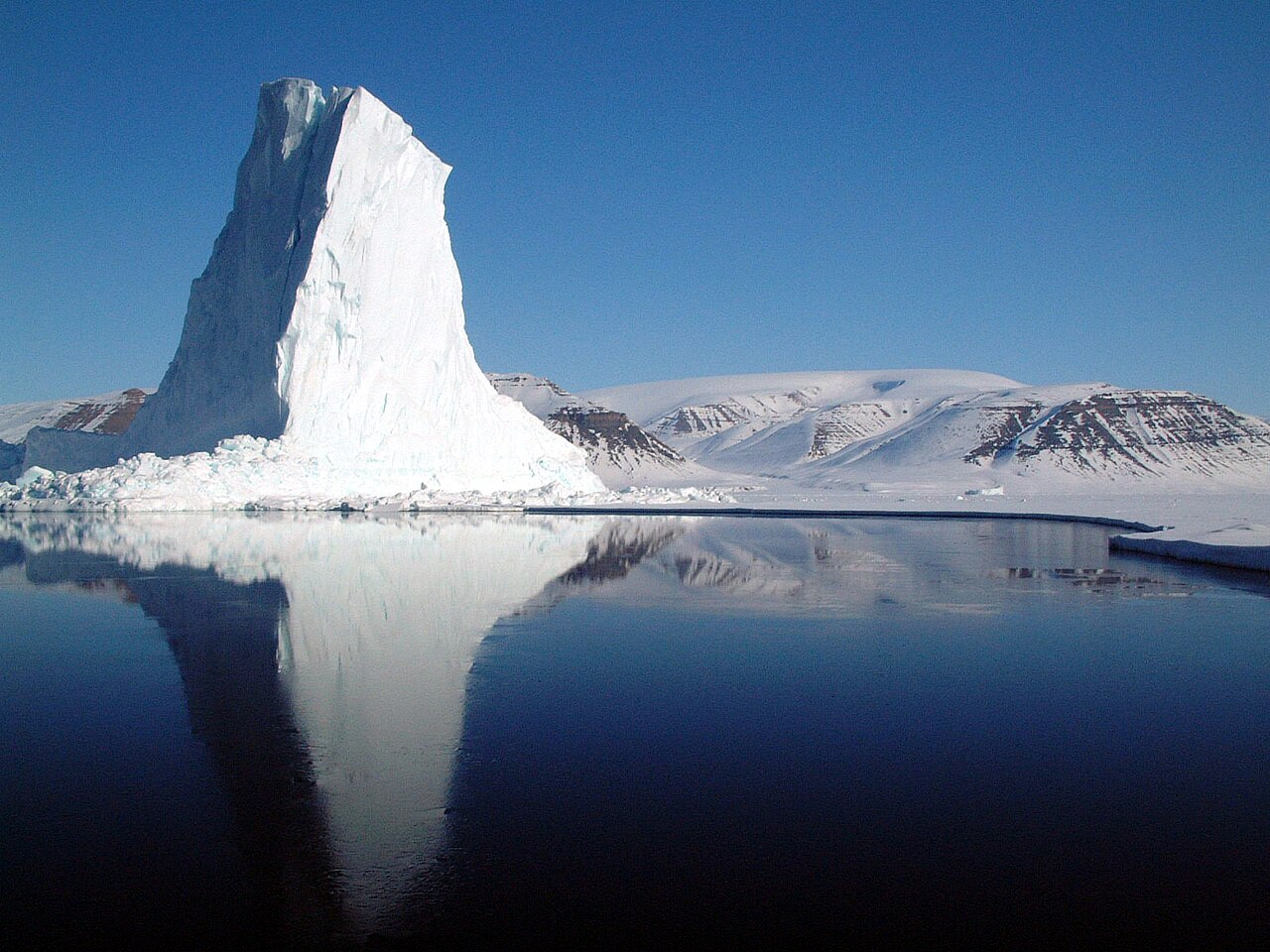
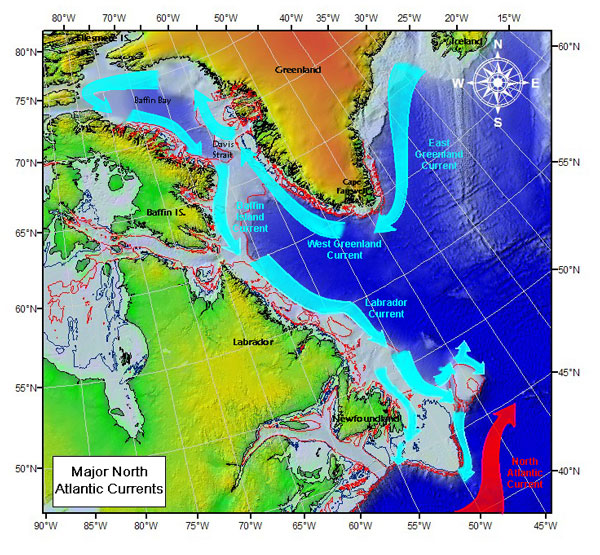
Baffin Bay contains a series of basins and ridges rather than a single uniform floor. Seasonal sea ice, persistent pack ice and a high concentration of drifting floes influence navigation and ecology. Large pieces of broken glacier ice—icebergs—and smaller fragments of pack ice and floating ice often make the bay hazardous for most of the year. Ocean circulation is dominated by cold southward flow from the Arctic and intermittent warmer, saltier Atlantic water that enters through Davis Strait, producing strong gradients in temperature and salinity.
Ecology and resources
The bay supports a productive but fragile Arctic ecosystem. Marine mammals commonly found here include seals, walrus, and several whale species such as narwhal and beluga. Seabirds nest on coastal cliffs and islands during the brief summer. Fish important to local subsistence and regional fisheries include Arctic char and Greenland halibut. Human communities along the bay continue to depend on a mix of subsistence hunting and limited commercial activities.
Human history and exploration
Archaeological evidence indicates people have occupied the Baffin Bay region for millennia. Early Paleo-Eskimo cultures such as the Dorset were followed by Thule populations and the ancestors of present-day Inuit. European contact began in the late 16th century, and English navigator William Baffin produced detailed charts and descriptions in the early 17th century; his name is the source of the bay's English toponym. Harsh ice conditions limited regular European traffic until modern icebreakers and seasonal shipping made occasional access possible.
Modern significance and environmental concerns
Today Baffin Bay is important for scientific research, Inuit communities, and monitoring the effects of climate change. Warming trends in the Arctic have altered ice cover duration and the frequency of iceberg calving, with consequences for wildlife, coastal communities, and prospective shipping routes. The bay is also monitored for seismic activity and other geophysical phenomena, and its waters are subject to international and regional governance arrangements that affect fisheries and navigation.
Notable facts
- Historic habitation in the area dates back over two thousand years and includes several distinct cultures.
- Navigation is constrained by extensive pack ice, floating ice and icebergs for much of the year.
- In 1933 the bay region was the reported epicenter of a strong earthquake, noted as one of the largest recorded north of the Arctic Circle.
For further geographic and scientific information see regional studies and nautical charts produced by national hydrographic offices and research institutions that focus on Arctic oceanography and coastal communities.
Questions and answers
Q: What is Baffin Bay?
A: Baffin Bay is a marginal sea of the North Atlantic Ocean located between Baffin Island and the southwest coast of Greenland.
Q: How does Baffin Bay connect to the Atlantic Ocean?
A: Baffin Bay connects to the Atlantic Ocean by Davis Strait and the Labrador Sea.
Q: What connects Baffin Bay with the Arctic Ocean?
A: A narrower strait called Nares Strait connects Baffin Bay with the Arctic Ocean.
Q: Who were the first people to live in the Baffin Bay area?
A: The Dorset people were the first people to live in the Baffin Bay area, around 500 BC, followed by the Thule and Inuit people.
Q: When did Europeans first reach Baffin Bay?
A: Europeans reached Baffin Bay in 1585.
Q: Who is Baffin Bay named after?
A: Baffin Bay and Baffin Island are named after William Baffin, who described the bay in detail in 1616.
Q: Why is it difficult to travel on Baffin Bay most of the year?
A: It is difficult to travel on Baffin Bay most of the year because of the ice cover and large amount of floating ice and icebergs in the open areas.
Related articles
Author
AlegsaOnline.com Baffin Bay Leandro Alegsa
URL: https://en.alegsaonline.com/art/8238
Sources
- wissenladen.de : Wissenladen.de
- slovari.yandex.ru : Baffin Bay
- britannica.com : Baffin Bay
- books.google.com : Descriptive Physical Oceanography
- dsp-psd.pwgsc.gc.ca : COSEWIC Assessment and Update Status Report on the Beluga Whale
- books.google.com : A naturalist's guide to the Arctic
- books.google.com : Encyclopedia of coastal science
- commons.wikimedia.org : Baffin Bay
- tools.wmflabs.org : 73°N 67°W / 73°N 67°W / 73; -67 (Baffin Bay)