
Reprise Records
Reprise Records is an American record label founded by Frank Sinatra in 1960. Now part of Warner Music Group, it has a diverse roster spanning traditional pop to rock and alternative, notably Green Day.
Reprise Records is an American record label established in 1960 by singer and entertainer Frank Sinatra. Created as a vehicle for greater artistic freedom and improved contract terms for performers, Reprise grew from a personal imprint into a widely recognized company within the commercial music industry. Today it operates under the Warner Music umbrella and is run through the Warner Bros. Records organization, reflecting decades of consolidation in the recording business (Warner Music Group).
Image gallery
3 Images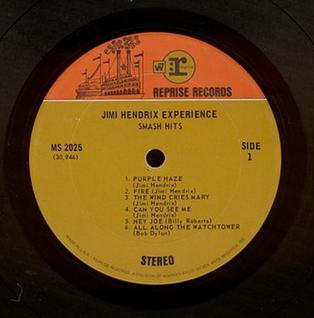


History and development
Sinatra launched the label to allow artists more control over repertoire, recording schedules, and ownership of their work. Early signings included members of his circle and other established entertainers, and the label quickly expanded its reach during the 1960s and 1970s. Over time Reprise broadened from traditional pop and vocal jazz into rock, folk, and later alternative and punk genres as musical tastes changed.
Characteristics and roster
Reprise became known for an eclectic roster and a willingness to let artists develop distinctive sounds. Notable performers associated with the label include legacy pop and vocal stars as well as rock and singer‑songwriter acts. In the 1990s and beyond the label signed and promoted major alternative and punk bands, helping to bring them to mainstream audiences. For example, the punk‑influenced band Green Day joined Reprise in the mid‑1990s and achieved wide commercial success.
Notable artists and releases
- Frank Sinatra — founder and one of the label's earliest and most prominent recording artists.
- Nancy Sinatra — achieved pop hits released on the label during the 1960s.
- Dean Martin and other contemporaries of the era who recorded for Reprise.
- Later signings include influential singer‑songwriters and rock artists who helped redefine the label's image.
Throughout its history Reprise has been involved in important shifts in the music industry: the move toward artist‑friendly contracts, the diversification of popular genres, and the consolidation of labels into larger corporate groups. Its evolution from a boutique imprint founded by a performer to a component of a major global company illustrates broader changes in how recorded music is produced and marketed.
For further information on the label's catalog, roster changes, and corporate affiliations, consult industry histories and label discographies maintained by major music organizations and archives (founding details, label overview).
Related articles
Author
AlegsaOnline.com Reprise Records Leandro Alegsa
URL: https://en.alegsaonline.com/art/82217
Sources
- bsnpubs.com : Reprise Records story