
Renala Khurd Tehsil
Renala Khurd is a tehsil (administrative subdivision) of Okara District in Punjab, Pakistan, composed of 18 union councils with a largely agricultural economy and the town of Renala Khurd as its headquarters.
Overview
Renala Khurd is an administrative subdivision, or tehsil, within Okara District in the Punjab province of Pakistan. Its headquarters is the town of Renala Khurd, which serves as the local center for government services, markets and basic urban amenities. The tehsil functions as a primary tier of district administration, handling local development, revenue collection and municipal affairs.
Image gallery
1 Image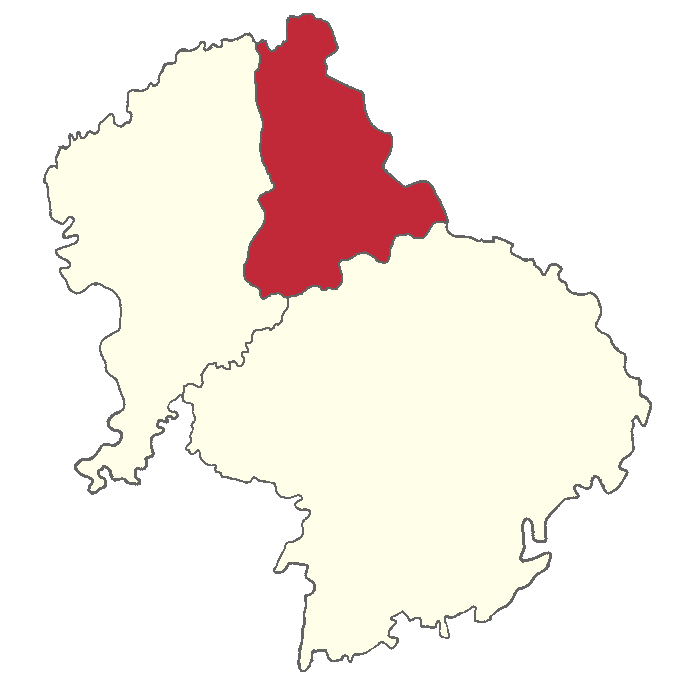
Administrative structure
The tehsil is divided into 18 Union Councils, the smallest rural and urban councils in Pakistan. Two of those councils together form the municipal area of the tehsil capital, Renala Khurd. Typical responsibilities at the union council level include civil registration, small infrastructure maintenance and primary-level community services.
Geography and economy
Located in central Punjab, the area around Renala Khurd is characterized by fertile plains and an irrigation-based agricultural economy. Farming and related activities dominate land use, with cropping patterns similar to other parts of central Punjab (wheat, rice, sugarcane and cotton are commonly cultivated). Local bazaars, service trades and small industries support the rural population.
History and development
The administrative layout of tehsils and union councils in the region traces to colonial and post-independence reforms that organized districts into manageable local units. Over time Renala Khurd evolved as a market and administrative hub for surrounding villages, with gradual improvements in road links, education and health facilities reflecting incremental local development.
Importance and notable facts
- Renala Khurd serves as the focal point for public administration and local commerce within its tehsil.
- The 18 Union Councils provide a framework for grassroots governance and community organization.
- Its economy is representative of central Punjab's agricultural belt, relying on irrigation and seasonal cropping.
For administrative details, maps and current governance structures consult district-level resources or official provincial publications via the relevant administrative portals.
Related articles
Author
AlegsaOnline.com Renala Khurd Tehsil Leandro Alegsa
URL: https://en.alegsaonline.com/art/82102